Gaza’s Children Return to Education After Years of Interruption: The Story of Field Schools and Hope Amid the Rubble
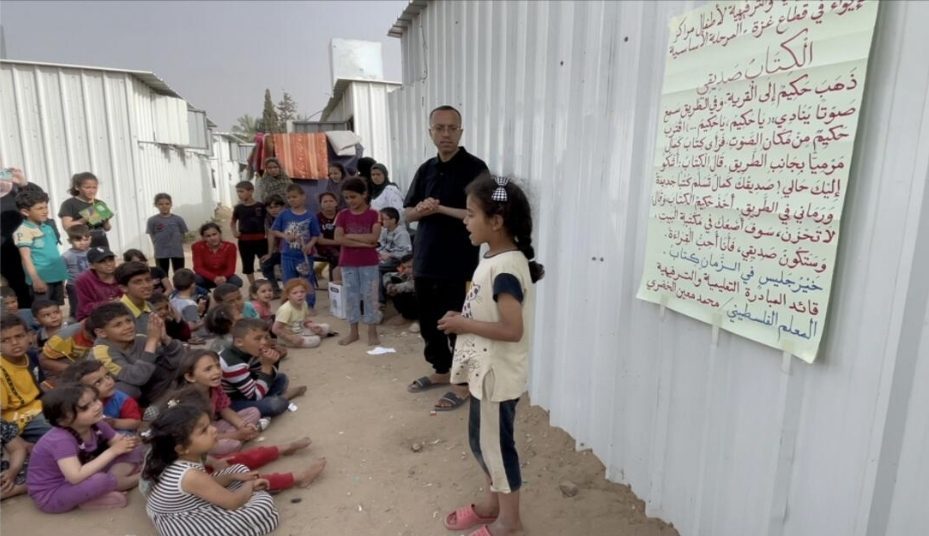
Gaza Children Return to Education After Years of Interruption: Field Schools Story
Gaza children return to education after years of interruption, as hundreds of temporary field schools and tents reopen to welcome students amid difficult conditions.
In a sandy courtyard between displacement tents, children stand in a morning line, raise their hands, and then head into tents that have been turned into classrooms. There are no walls to shield them from the sun, and not enough desks for everyone. Yet the scene itself declares that education has returned to Gaza, even if only in its most basic form.
After nearly three years of interruption caused by the war, hundreds of thousands of Gaza’s children are returning to school in temporary field schools set up inside displacement camps and damaged schoolyards. This is not simply the start of a new academic year. It is an attempt to reclaim a piece of childhood and normal life that was taken from them.
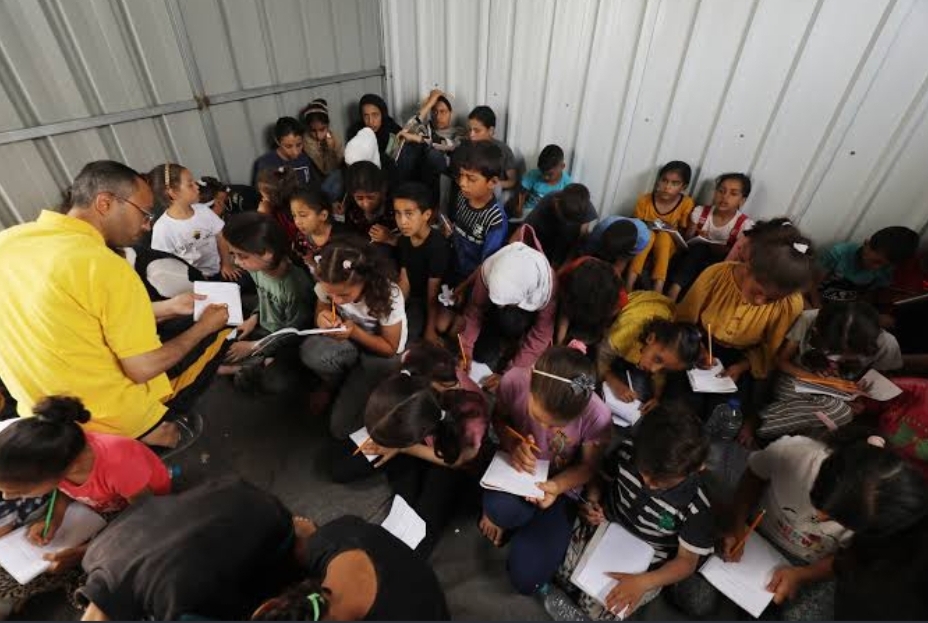
A Gradual Return Amid Immense Challenges
According to the United Nations and UNICEF, around 700,000 school-age children lost formal, face-to-face education for consecutive years. As learning gradually resumes, hundreds of temporary learning spaces have opened — some under UNRWA, others in partnership with the Ministry of Education and UNICEF.
In Gaza City and other areas, tents receive far more students than they can comfortably hold. Some children sit on the ground. Others attend part-time shifts of only a few hours every other day, focusing on core subjects: Arabic, English, mathematics and science.
“I am here to learn, especially after two years of interruption. What we need now are notebooks, books and pens. We want to reclaim our lives.”— A student at a temporary school in Deir al-Balah
Field Schools: Spaces of Hope Amid the Rubble
Many schools that once sheltered displaced families have been partially converted into temporary learning spaces. These field schools operate in shifts to reach as many children as possible, despite severe shortages of books, stationery, desks and basic furniture.
Still, children’s faces show joy and determination. For many, returning to class is a moment of restored dignity and hope. Educators say the greatest challenge remains the huge number of students versus limited space, alongside the urgent need for psychosocial support for children who have lived through years of fear and displacement.
International and Local Efforts to Support Education
UNRWA has expanded its “Back to Learning” programme to include both in-person and online education. UNICEF has established dozens of temporary learning centres that combine basic lessons with mental-health and recreational activities.
The Ministry of Education is working with partners to increase the number of learning points, supply essential materials, and develop plans to address learning loss. The road ahead remains long: the majority of school buildings require full reconstruction or major rehabilitation before they can function normally again.
Education as a Fundamental Human Right
Education experts and humanitarian organisations stress that restoring learning is not a luxury — it is essential to protect an entire generation of children from losing their future opportunities. Even the simplest lesson inside a tent gives children a sense of stability and hope, and helps them begin to heal from trauma.
gaza-children-return-to-education
Today, as Gaza’s children hold their pens and notebooks above the rubble, they send a clear message: the right to education does not expire, and hope does not die even in the hardest circumstan

Fadi Q
News writer and editor at Madar24, contributing to the preparation and editing of news and articles and the publication of digital content, with a focus on presenting clear, accurate, and up-to-date information to readers.
All articles by this authorRelated articles
Ramadan Alcohol Ban in Egypt Lawsuit Verdict Set for Nov 28
Egypt's State Council Administrative Judiciary Court sets November 28, 2026, for the final ruling on the lawsuit challenging seasonal Ramadan alcohol restrictions and venue closures.
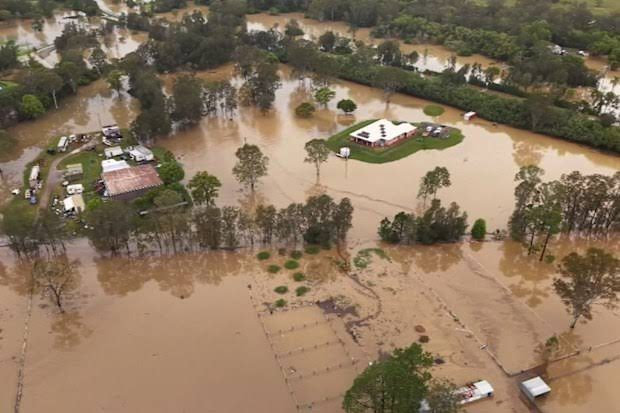
Queensland Flash Flooding and Rare Supercells Threaten Australia
Catastrophic rainfall triggers flash floods in Queensland while severe supercell storms expand across eastern Australia, prompting SES rescues.