Mystery Solved: Scientists Discover MAL Blood Group System
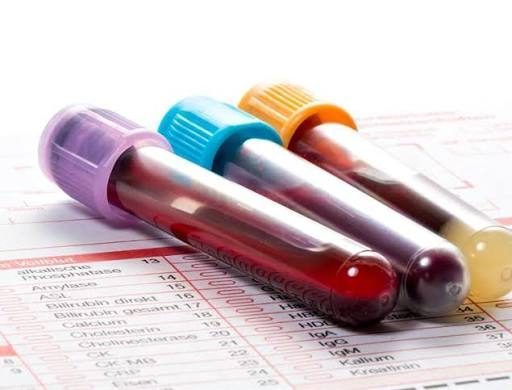
In an extraordinary medical milestone, researchers have resolved a half-century puzzle by officially characterizing a new blood group system designated as MAL. This discovery brings an end to a mystery that first emerged in 1972 regarding the elusive "AnWj" antigen, providing vital knowledge to protect patients receiving blood transfusions worldwide.The 1972 AnWj Antigen EnigmaThe mystery began in 1972 when a pregnant patient was found to lack a specific red blood cell surface marker present in more than 99.9% of the human population.
This missing marker was termed the AnWj antigen.For nearly five decades, the molecular andgenetic basis for why some individuals lacked this antigen remained completely unexplained. For AnWj-negative patients, receiving standard blood transfusions carried high risks of severe, potentially fatal hemolytic transfusion reactions due to alloantibody formation.
Decoding the Genetics Behind the MAL System
The breakthrough was achieved by a team from NHS Blood and Transplant alongside the University of Bristol. Through advanced whole-exome sequencing, the researchers identified that the MAL gene is responsible for encoding the protein carrying the AnWj antigen on red blood cells.
Individuals who carry homozygous deletions or mutations in the MAL gene fail to express thenegative. Following these definitive findings, the International Society of Blood Transfusion (ISBT) formally ratified MAL as the 47th human blood group system.
Transforming Transfusion Safety
The implications of this breakthrough are profound for modern hematology:
Targeted Genetic Screening: Laboratories can now develop DNA-based genotyping tests to identify rare AnWj-negative donors swiftly.
Safer Clinical Interventions: Clinicians can ensure compatible blood units are ready for rare-blood recipients without risky trial matching.
This achievement underscores how modern genomic technologies can finally resolve longstanding medical enigmas, directly enhancing patient safety and personalized medicine.

Fadi Q
News writer and editor at Madar24, contributing to the preparation and editing of news and articles and the publication of digital content, with a focus on presenting clear, accurate, and up-to-date information to readers.
All articles by this authorRelated articles
Rare Cancer Cases in Ladera Ranch Spark Health Concerns
At least six cases of the rare cancer Ewing sarcoma among children and young adults in Ladera Ranch, California, have triggered health reviews and thorough environmental testing.
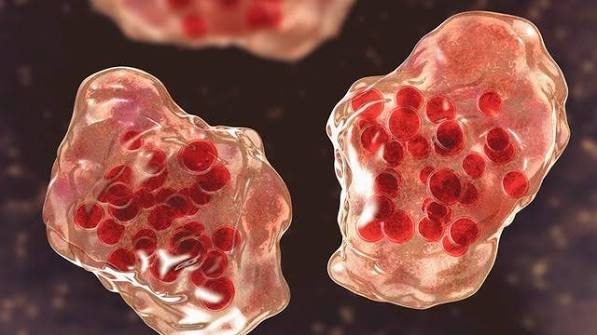
Measles Exposure in Georgia: Urgent Health Alert for Patrons
Georgia DPH issues an urgent epidemiological alert after a confirmed measles case visited a LongHorn Steakhouse in Perry, urging symptom checks through Oct 28.
Neonatal Herpes Warning: Baby Dies from Cold Sore Infection (BBC Report)
A tragic UK case highlights the fatal danger of neonatal herpes and cold sores in newborns, detailing crucial pediatric warnings and strict infection prevention guidelines.