Ramadan Alcohol Ban in Egypt Lawsuit Verdict Set for Nov 28
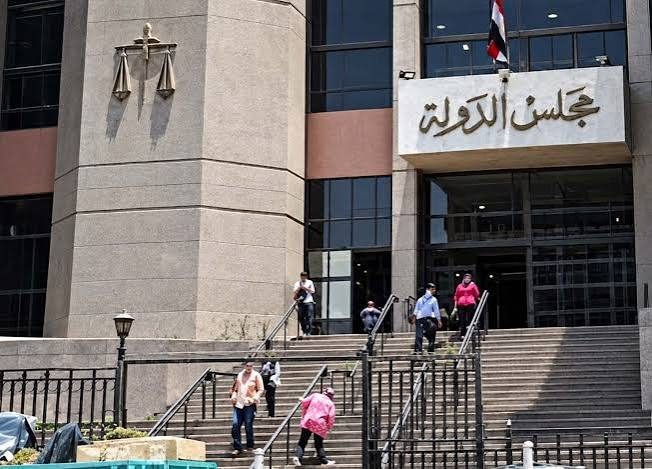
Ramadan Alcohol Ban in Egypt: Court Verdict on Nov 28
The First Circuit for Rights and Freedoms at the Egyptian State Council’s Administrative Judiciary Court has officially concluded oral hearings regarding the Ramadan alcohol ban in Egypt, scheduling the case for a decisive verdict on November 28, 2026.
Clarification of the Procedural Decision
Contrary to misleading headlines circulated across social media platforms claiming that the judiciary had lifted seasonal bans or authorized immediate operational reopenings, Saturday's ruling is purely procedural. The court formally announced the closure of arguments and the transition of the dossier into legal deliberations. Until the official verdict is pronounced on November 28, 2026, all executive orders, licensing conditions, and ministerial closures remain fully enforceable nationwide.

Economic Arguments vs. Blanket Restrictions
The lawsuit, registered under No. 41877 for Judicial Year 79, challenges the legality of recurrent ministerial directives that mandate the complete closure of bars, lounges, and nightclubs, as well as the prohibition of alcoholic beverage sales to Egyptian citizens during the holy month of Ramadan and specific religious observances.
The plaintiff's legal defense heavily referenced the provisions of the New Tourism Establishments Law (Law No. 8 of 2022) alongside Law No. 63 of 1976. The lawsuit asserts that statutory frameworks intended to grant regulated tourist establishments operational continuity to support national economic stability, encourage hospitality investments, and maintain Cairo’s competitive edge as an international destination. The complaint argues that prolonged seasonal interruptions place immense commercial burdens on business owners and compromise labor security for thousands of hospitality personnel.
State Commissioners Recommend Dismissal on Merit
Conversely, the State Commissioners Authority submitted an advisory opinion recommending that the Administrative Judiciary Court dismiss the case on its merits after accepting it in formal terms. The advisory body underlined that executive regulatory authorities hold legitimate discretionary powers to introduce temporary measures aimed at preserving public decorum, social harmony, and communal sensitivities during religious holidays.
The commissioners concluded that safeguarding public order and prevailing social conventions forms a constitutional foundation that does not unduly encroach upon personal freedoms or commercial investments, thus justifying the proportionality of the administrative restrictions.
Legal Precedent and Anticipated Outcome
Legal analysts view this judicial battle as a pivotal test case reconciling constitutional protections of commerce with state regulatory sovereignty. The upcoming ruling on November 28 will serve as a legal landmark, providing definitive clarity on whether seasonal ministerial moratoriums conform to modernized tourism legislation or require restructuring to accommodate contemporary economic realities. Until then, business operations across Cairo and major coastal hubs continue in strict adherence to current administrative protocols.

Fadi Q
News writer and editor at Madar24, contributing to the preparation and editing of news and articles and the publication of digital content, with a focus on presenting clear, accurate, and up-to-date information to readers.
All articles by this author