Hurricane Season Baffles Scientists: Pacific Ignites While Atlantic Stays Calm
Hurricane Season Baffles Scientists: Pacific Ignites While Atlantic Stays Calm
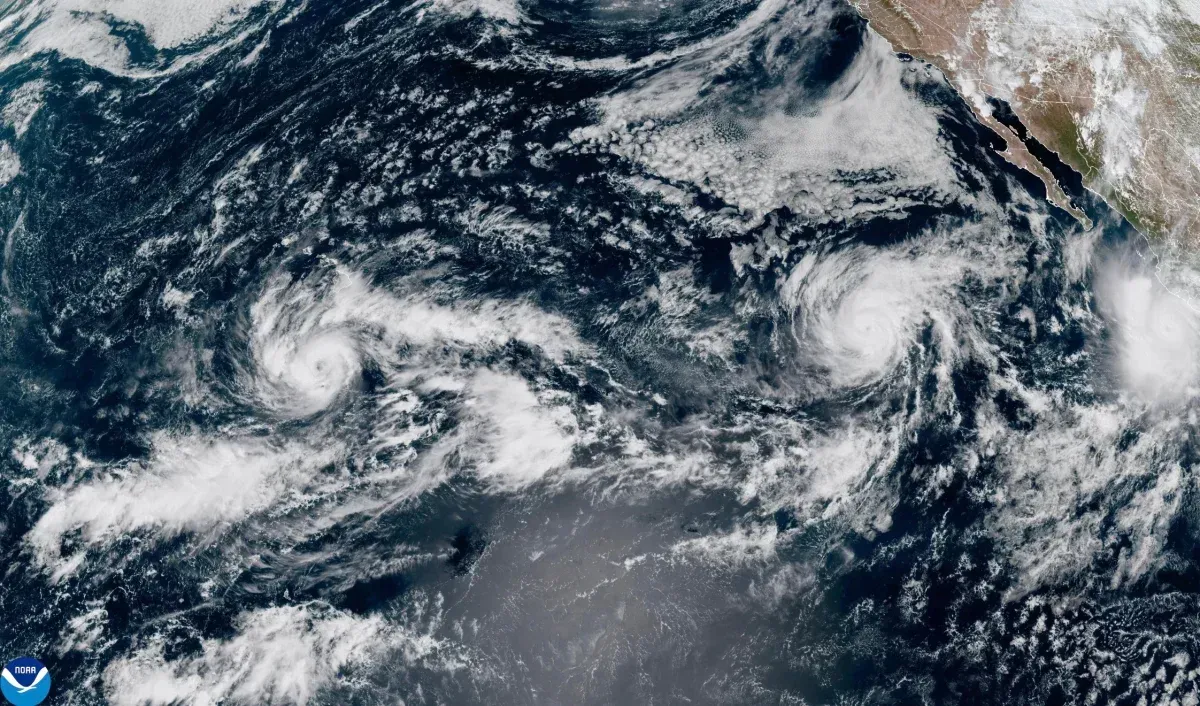
The current hurricane season is defying historical trends, presenting an atmospheric puzzle highlighted across international scientific networks and news outlets including USA Today, NPR, and The Weather Channel. While coastal communities along the Atlantic basin enjoy an unexpectedly tranquil period, the eastern and central Pacific Ocean is experiencing an explosive surge of high-category tropical systems, leaving meteorologists to evaluate whether standard weather models need fundamental recalibration.
A Tale of Two Basins: Unprecedented Pacific Fury vs. Atlantic Silence
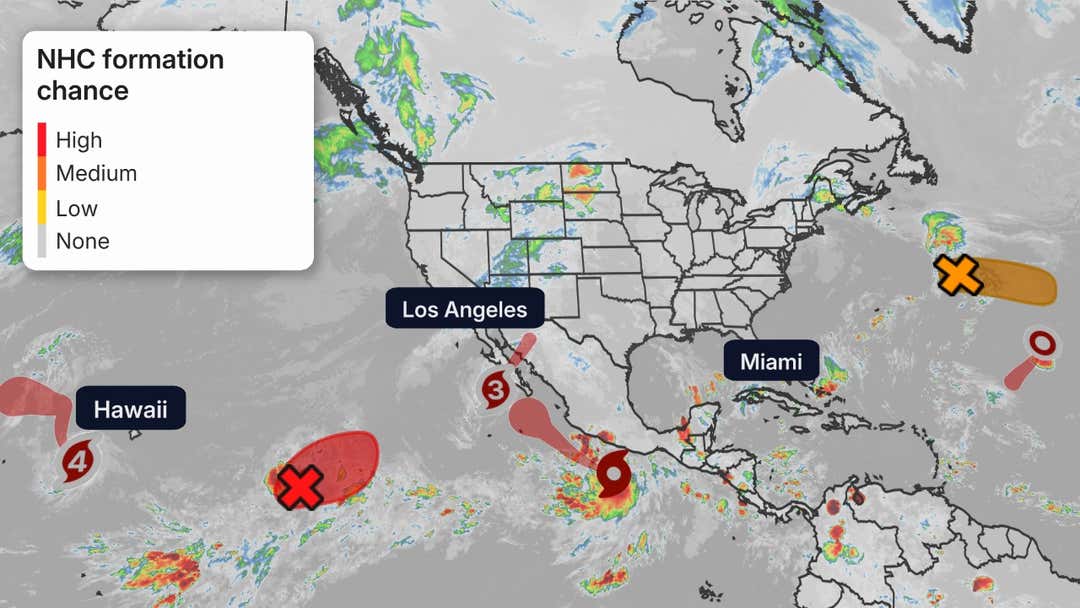
A closer examination of synoptic satellite observations reveals an astonishing contrast. In the Pacific, persistent thermal anomalies have transformed waters into an energy-rich engine, fueling sequentially formed, intense cyclonic vortices. Several severe storms have developed and organized rapidly, maintaining coherent structures that pose acute maritime and coastal hazards.
Conversely, the Atlantic basin—usually entering its peak climatological window—remains markedly quiescent. Tropical waves moving off the western African coast struggle to maintain deep convection. For detailed updates and broader environmental analysis, explore our coverage in global weather and climate reporting.
The El Niño Factor:
The Mechanism Behind the Divergence
At the heart of this dramatic divergence lies the ongoing El Niño pattern. By warming equatorial surface waters across central and eastern Pacific zones, this macro-scale atmospheric phenomenon alters global circulation:
Supercharging the Pacific: Abnormally warm sea surface temperatures maximize atmospheric instability and moisture flux, providing ideal thermodynamics for rapid intensification into major hurricanes.
Suppressing the Atlantic: The altered Pacific convection drives downstream changes in the upper atmosphere, generating destructive vertical wind shear across the Caribbean and tropical Atlantic. This dynamic wind gradient rips nascent thunderstorms apart, preventing convective self-sustainment and organized circulation.
Is the Atlantic Lull Temporary? Meteorological Perspectives
Specialists at the National Hurricane Center (NHC) emphasize that seasonal calm should not foster complacency. High ocean heat content remains preserved in deeper Atlantic layers. If wind shear momentarily relaxes toward the latter phase of the seasonal cycle, rapid cyclone genesis could suddenly materialize before winter arrives. Interactive tracking models continue scanning subtle convective anomalies for signs of transition.
Broader Implications for Global Weather and Upcoming Seasons
The global atmospheric energy balance is inextricably tied to equatorial oceans. This asymmetric tropical activity influences mid-latitude jet streams worldwide, potentially signaling erratic temperature regimes, localized drought cycles, and intense autumnal precipitation anomalies across both North America and Eurasia as the winter hemisphere develops.
Join the Discussion
As planetary weather patterns continue to deviate from historical baselines, direct human observation becomes increasingly valuable. Have you observed noticeable changes in seasonal transitions and local weather anomalies compared to prior years? Share your thoughts and local experiences in the comments below!

Fadi Q
News writer and editor at Madar24, contributing to the preparation and editing of news and articles and the publication of digital content, with a focus on presenting clear, accurate, and up-to-date information to readers.
All articles by this authorRelated articles

Ramadan Alcohol Ban in Egypt Lawsuit Verdict Set for Nov 28
Egypt's State Council Administrative Judiciary Court sets November 28, 2026, for the final ruling on the lawsuit challenging seasonal Ramadan alcohol restrictions and venue closures.
Queensland Flash Flooding and Rare Supercells Threaten Australia
Catastrophic rainfall triggers flash floods in Queensland while severe supercell storms expand across eastern Australia, prompting SES rescues.