Trump weapons China deal proposal sparks global diplomatic controversy
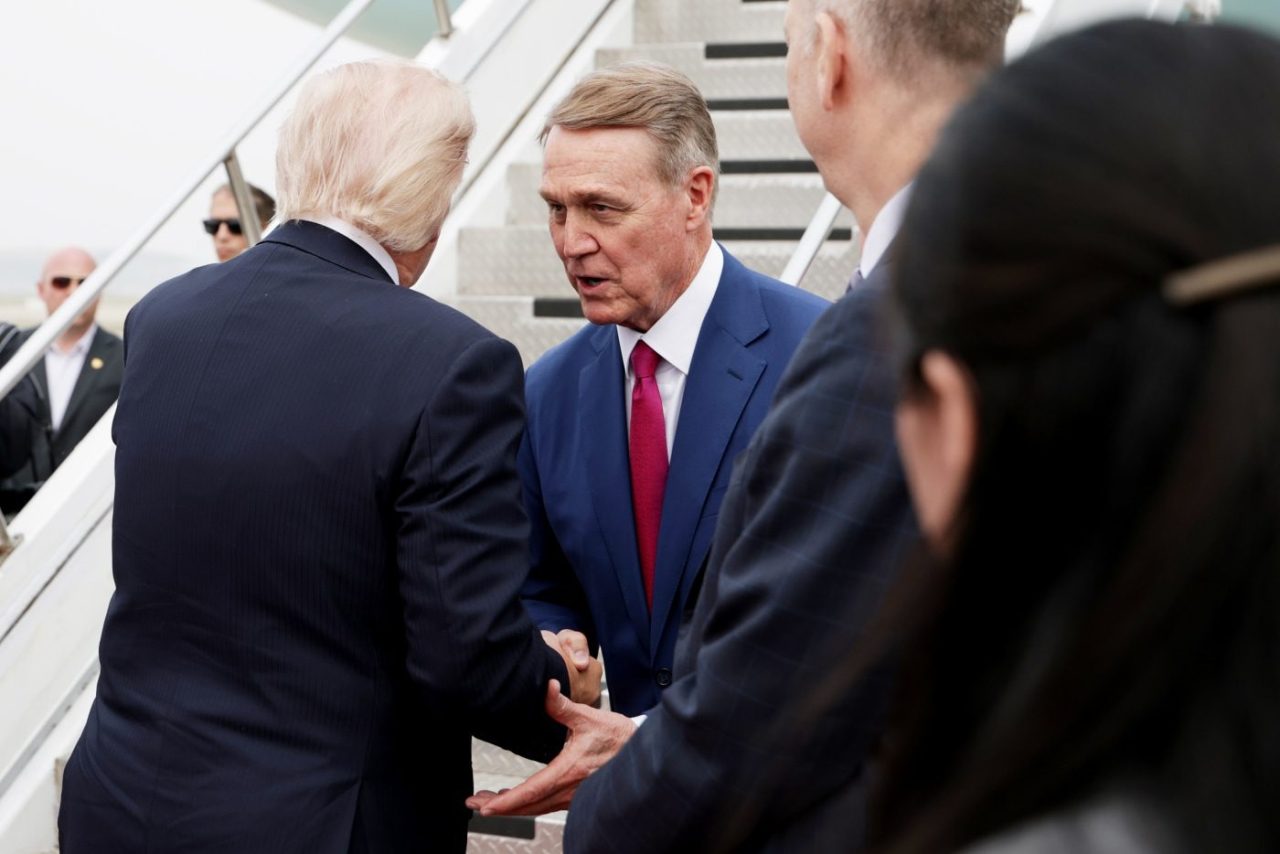
The geopolitical arena was recently jolted by explosive reports surrounding the topic of Trump weapons China discussions,
suggesting an unprecedented shift in modern international diplomacy. High-profile coverage by outlets such as The Guardian and The Hill highlighted leaked conversations where Donald Trump reportedly asked Chinese President Xi Jinping directly if Beijing would be interested in purchasing advanced American military hardware. The revelation triggered swift diplomatic maneuvers, forcing senior officials speaking to The Wall Street Journal to rapidly downplay the remarks and reassure international allies.
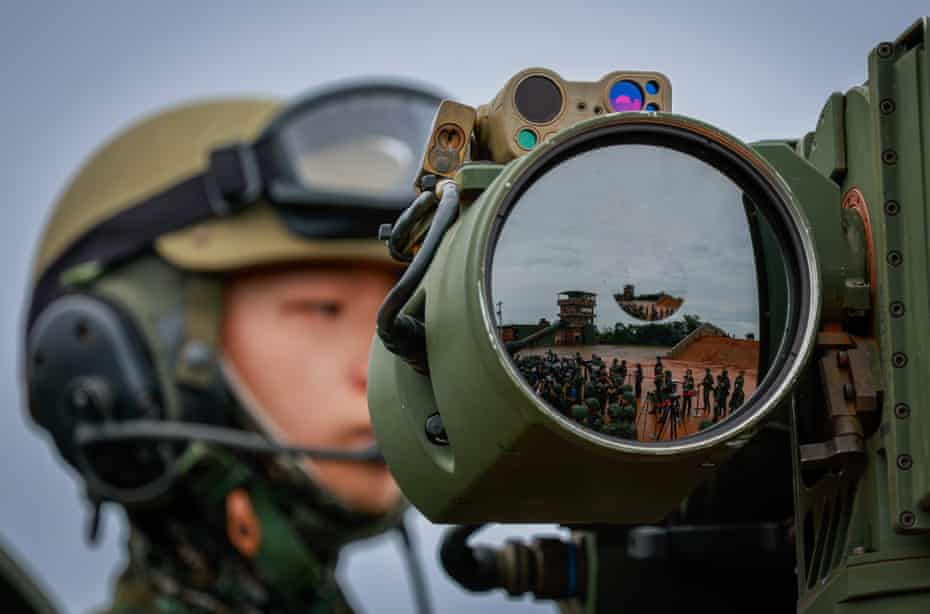
Behind the Closed Doors:
Trade Deficit and The Art of the Deal
Sources indicate that the question was not framed as a strategic alliance, but rather through a transactional trade perspective. Frustrated by the long-standing trade deficit with China, Trump viewed America's aerospace and defense manufacturing sector as a high-value export capable of balancing bilateral trade figures. Treating sophisticated military equipment as commercial trade goods reflects his signature deal-making style, though it directly challenges decades of established diplomatic orthodoxy.
Shock in Taiwan and Alarms at the Pentagon
The leaked inquiry provoked immediate anxiety across Taipei and Washington. Taiwan relies heavily on American defense guarantees and modern arms transfers to deter potential regional conflict. Within the Pentagon and national security circles, analysts expressed serious alarm over any notion of sharing defense equipment with a primary strategic competitor, warning it could undermine the balance of power across the Indo-Pacific.
Official Rebuttal and Strategic Clarification
In response to the growing fallout, American officials quickly moved to clarify the context. Official channels emphasized that United States policy remains firmly committed to the Taiwan Relations Act and strict technology export restrictions. Spokespersons reiterated that no formal proposals to transfer military technology to the People's Liberation Army were ever approved or drafted.
Transactional Realism in Great Power Competition
This incident underscores Donald Trump's distinctive approach to foreign policy, where security treaties and geopolitical tensions are often recalibrated through commercial lenses. While supporters view this as disruptive diplomacy aimed at forcing concessions, critics argue that such transactional unpredictability risks unsettling vital alliances.
Have Your Say
Do you view this inquiry as a theatrical bargaining tactic to rattle Beijing, or a destabilizing departure from strategic statecraft? Share your perspectives below, and explore our in-depth coverage in the world politics section.

Fadi Q
News writer and editor at Madar24, contributing to the preparation and editing of news and articles and the publication of digital content, with a focus on presenting clear, accurate, and up-to-date information to readers.
All articles by this authorRelated articles
Ramadan Alcohol Ban in Egypt Lawsuit Verdict Set for Nov 28
Egypt's State Council Administrative Judiciary Court sets November 28, 2026, for the final ruling on the lawsuit challenging seasonal Ramadan alcohol restrictions and venue closures.

Queensland Flash Flooding and Rare Supercells Threaten Australia
Catastrophic rainfall triggers flash floods in Queensland while severe supercell storms expand across eastern Australia, prompting SES rescues.