Power Grid Emergency Hits 13 US States Amid Unprecedented Heatwave
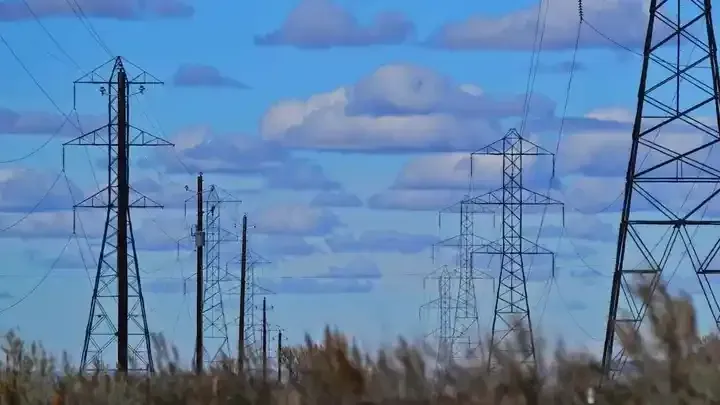
American electrical infrastructure is facing an extraordinary operational bottleneck after authorities declared a major power grid emergency across the Washington D.C. metropolitan corridor and 13 Eastern states. The crisis arose from a severe late-season heat dome colliding with scheduled fall generator overhauls. This complex scenario forced regional grid operators into emergency mode to prevent rolling blackouts across millions of homes,
Capital Region Grapples With Unseasonal Demand
According to reporting from WUSA9, grid operators managing the Mid-Atlantic transmission system issued emergency generation alerts covering Washington D.C., Maryland, and Virginia (the DMV region). The crisis was ignited by temperatures soaring 10 to 15 degrees Fahrenheit above seasonal norms, driving air conditioning loads to summer-like extremes. Residential and commercial consumers were immediately urged to curb non-essential electricity use during peak afternoon hours to relieve strain on overloaded distribution substations.
Federal Intervention by the Department of Energy
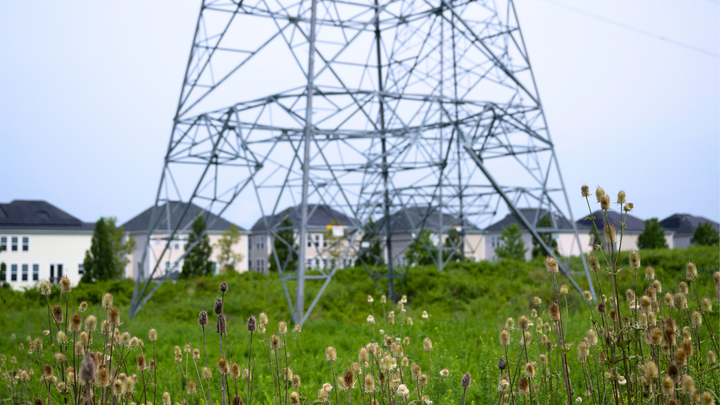
With grid margins shrinking dangerously close to collapse, federal regulators stepped in aggressively. Fox News reported that the U.S. Department of Energy invoked emergency statutory powers under Section 202(c) of the Federal Power Act. This executive directive mandates all available generation assets within the PJM Interconnection footprint to run at maximum output. Critically, the emergency order temporarily waives state-level environmental restrictions and emission limits on select thermal generation units, ensuring sufficient baseload power is supplied across all 13 affected states to thwart catastrophic blackouts.
The Scheduled Maintenance Bottleneck
A detailed analytical report by Bloomberg uncovered the underlying vulnerability that amplified the emergency: the traditional utility maintenance calendar. Early autumn is historically treated by power companies as the primary "shoulder season," when mild weather allows utilities to take dozens of nuclear, coal, and natural gas plants offline for essential overhauls ahead of freezing winter months. When the sudden October heat dome struck, it impacted a grid operating with reduced capacity reserves, creating an immediate supply-demand imbalance that caught operators off guard.
Advisory Measures and Future Infrastructure Challenges
Local utility providers have requested that households adjust their thermostats upward by several degrees and postpone operating heavy machinery or major household appliances until evening hours. Energy analysts note that this event highlights the mounting vulnerabilities of aging electrical infrastructure in an era of climatic anomalies. As weather patterns become less predictable, traditional assumptions governing seasonal maintenance schedules will require fundamental overhauls to maintain grid resilience across the nation.

Fadi Q
News writer and editor at Madar24, contributing to the preparation and editing of news and articles and the publication of digital content, with a focus on presenting clear, accurate, and up-to-date information to readers.
All articles by this authorRelated articles

Ramadan Alcohol Ban in Egypt Lawsuit Verdict Set for Nov 28
Egypt's State Council Administrative Judiciary Court sets November 28, 2026, for the final ruling on the lawsuit challenging seasonal Ramadan alcohol restrictions and venue closures.
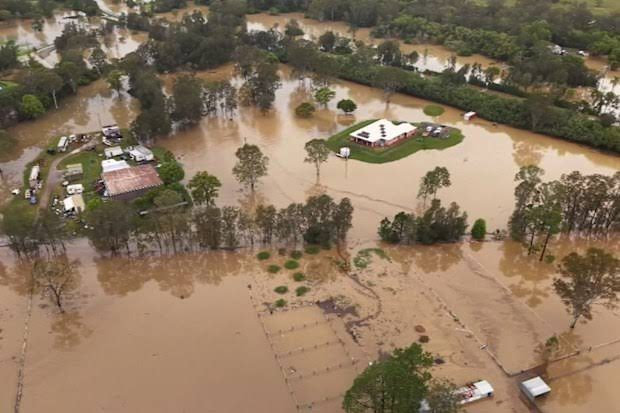
Queensland Flash Flooding and Rare Supercells Threaten Australia
Catastrophic rainfall triggers flash floods in Queensland while severe supercell storms expand across eastern Australia, prompting SES rescues.