Riyadh Airport Attack: Fatalities Reported and Airlines Warned
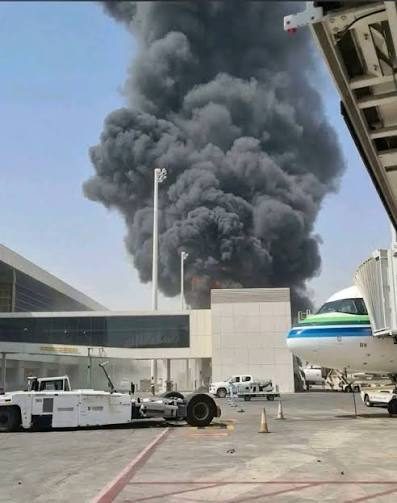
A major regional escalation unfolded as the Riyadh airport attack caused severe destruction and casualties when a projectile impacted a crowded passenger terminal at Riyadh International Airport. The unprecedented security incident has sent shockwaves across regional hubs and global aviation networks, raising urgent questions regarding the protection of civilian infrastructure in active conflict zones. For continuous regional reporting, check our l
Casualties Reported and Emergency Measures Deployed
According to reports from major global media organizations, including The Wall Street Journal and Al Jazeera, the strike inflicted direct fatalities and left dozens injured due to blast concussion and heavy shrapnel distribution across terminal facilities. Saudi civil defense teams and emergency response personnel immediately cordoned off the affected perimeter, orchestrating medical evacuations and transferring injured travelers to nearby hospitals. Emergency protocols were engaged instantly across the airfield to secure parked commercial aircraft and prevent secondary incidents.
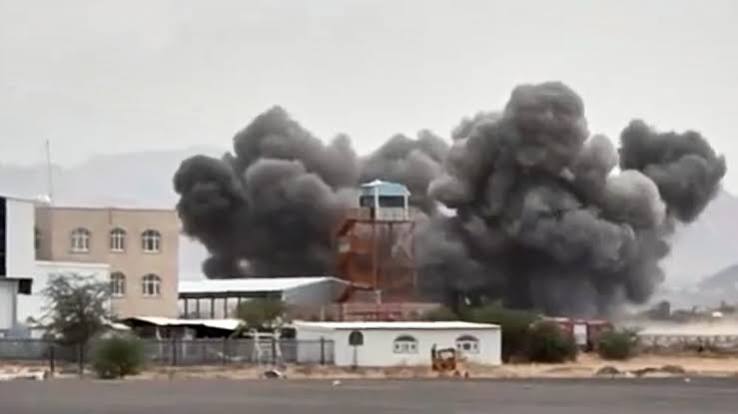
Airline Warnings Trigger International Flight Disruptions
Concurrently, Houthi officials issued public warnings directing global commercial airlines to halt operations to Saudi airports and avoid adjacent airspace sectors, as reported by BBC Newshour. This advisory provoked immediate reactions across airline operational control centers worldwide. Several major carriers suspended incoming services, adjusted scheduled departures, or diverted airborne flights toward alternate hubs. The unexpected disruption highlights how quickly geopolitical tensions can compromise international air corridors and disrupt commercial travel logistics.
Strategic Defense Response and Geopolitical Repercussions
In the aftermath of the impact, air defense networks throughout the kingdom were placed on the highest readiness state to shield vital infrastructure and civil transport hubs. International observers, commercial flight safety agencies, and geopolitical analysts are closely watching the security consequences of this strike. Diplomatic channels have expressed serious concern regarding the direct threat posed to non-combatant travelers, calling for de-escalation to prevent an expanding military confrontation that could disrupt energy markets and international transit across the region.

Fadi Q
News writer and editor at Madar24, contributing to the preparation and editing of news and articles and the publication of digital content, with a focus on presenting clear, accurate, and up-to-date information to readers.
All articles by this authorRelated articles
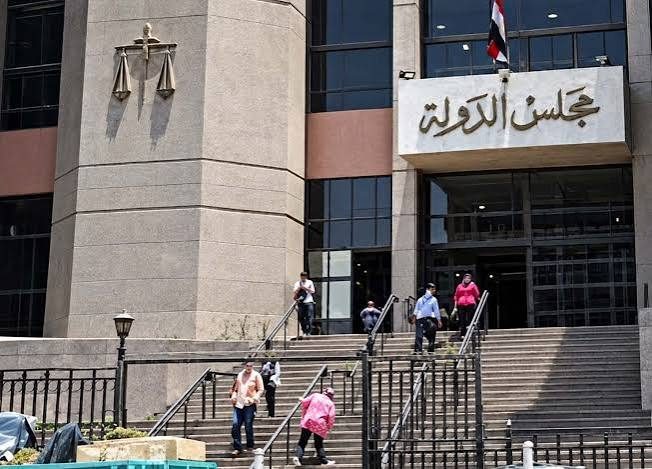
Ramadan Alcohol Ban in Egypt Lawsuit Verdict Set for Nov 28
Egypt's State Council Administrative Judiciary Court sets November 28, 2026, for the final ruling on the lawsuit challenging seasonal Ramadan alcohol restrictions and venue closures.
Queensland Flash Flooding and Rare Supercells Threaten Australia
Catastrophic rainfall triggers flash floods in Queensland while severe supercell storms expand across eastern Australia, prompting SES rescues.