Prince Andrew Search Documents Reveal Police Feared Evidence Destruction
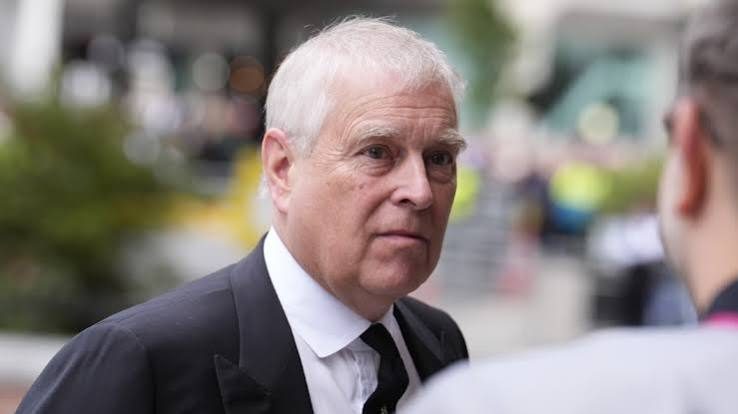
Startling operational logs from newly unsealed files confirm that Prince Andrew search documents exposed deep apprehensions among British law enforcement regarding sovereign privilege and investigative obstruction. Senior detectives documented genuine fears that established legal processes would be actively compromised.
Invoking the Sovereign: Anticipated Constitutional Friction
According to disclosures published by the BBC and The Telegraph, strategic operational briefs prepared by senior detectives revealed an acute anxiety: investigators anticipated that Prince Andrew would flatly reject immediate entry into Royal Lodge in Windsor Great Park. Internal memos underscored that the former Duke of York was expected to argue the expansive estate remained the personal demesne of King Charles III, thereby asserting monarchical prerogative to stall statutory warrants.
Detectives noted that any protracted legal standoff at the property perimeter would not only trigger unprecedented constitutional tension, but also paralyze ground operations while legal counsel debated Crown jurisdiction against municipal statutory powers.

Acute Threat of Digital and Physical Evidence Spoliation
Reporting from The Times detailed another critical factor behind the operational secrecy: the severe vulnerability of irreplaceable physical and digital evidence. Police memorandums explicitly concluded that extending routine statutory notification or diplomatic courtesy carried catastrophic risks. Investigators warned that prior knowledge of an incoming search could precipitate the rapid sanitation, concealment, or irreversible destruction of decisive files.
The policing team firmly maintained that tactical surprise was imperative to prevent internal staff or associates from shredding records, deleting server archives, or discarding electronic devices vital to unraveling intricate financial and personal connections. For similar analytical pieces, consult our British Royal Affairs Dashboard.
Institutional Ramifications for the British Monarchy
These revelations intensify ongoing public scrutiny regarding the boundaries of royal privilege versus judicial parity. As tension between King Charles III and Andrew continues regarding security funding and tenure at Royal Lodge, the unsealed police evaluations validate that law enforcement treated royal interference not as a hypothetical hurdle, but as a calculated hazard, placing further pressure on Buckingham Palace to affirm total accountability before the law.

Fadi Q
News writer and editor at Madar24, contributing to the preparation and editing of news and articles and the publication of digital content, with a focus on presenting clear, accurate, and up-to-date information to readers.
All articles by this authorRelated articles

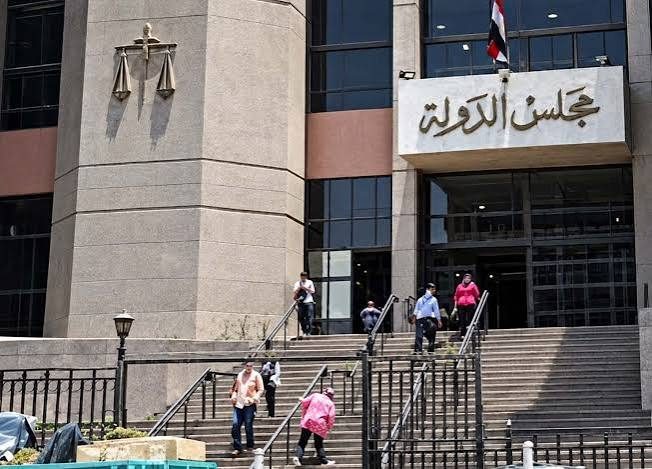
Ramadan Alcohol Ban in Egypt Lawsuit Verdict Set for Nov 28
Egypt's State Council Administrative Judiciary Court sets November 28, 2026, for the final ruling on the lawsuit challenging seasonal Ramadan alcohol restrictions and venue closures.

Queensland Flash Flooding and Rare Supercells Threaten Australia
Catastrophic rainfall triggers flash floods in Queensland while severe supercell storms expand across eastern Australia, prompting SES rescues.