Federal Judge Strikes Down Ban on Non-Citizen Voting in US Elections
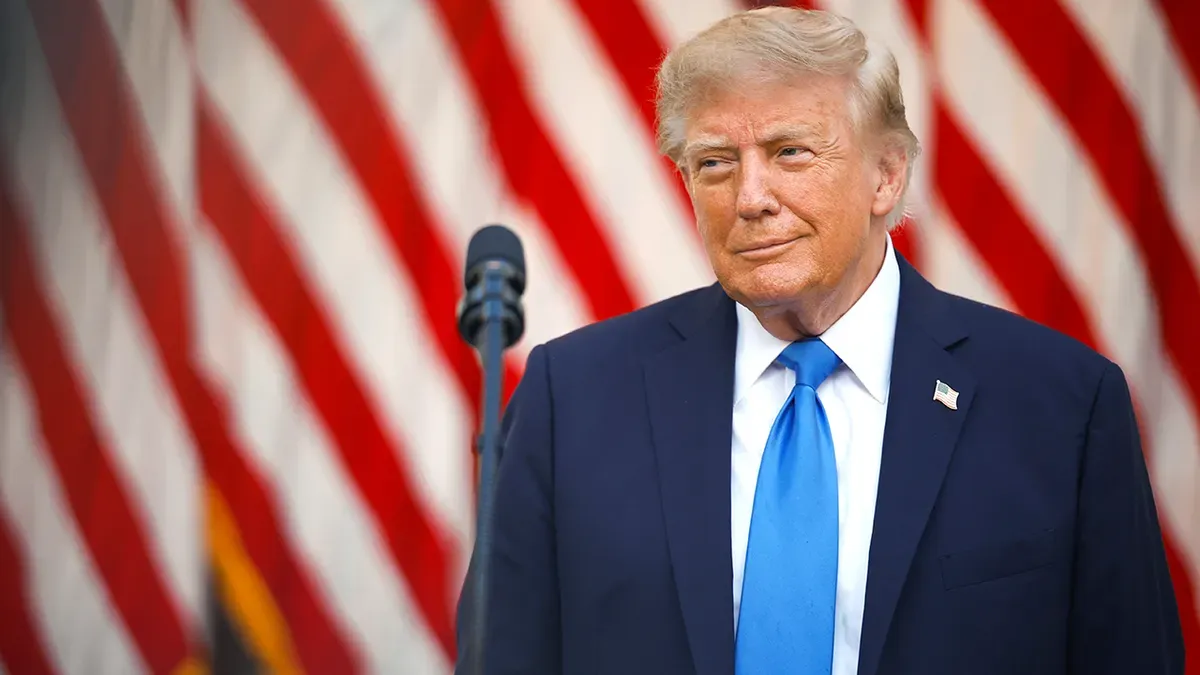
A major legal and political earthquake has shaken Washington after a federal judge ruled that the federal statute prohibiting non-citizens from voting in elections is unconstitutional.
This historic ruling instantly thrust the topic of non-citizen voting to the forefront of an already fierce national debate over electoral integrity, constitutional boundaries, and states' rights.
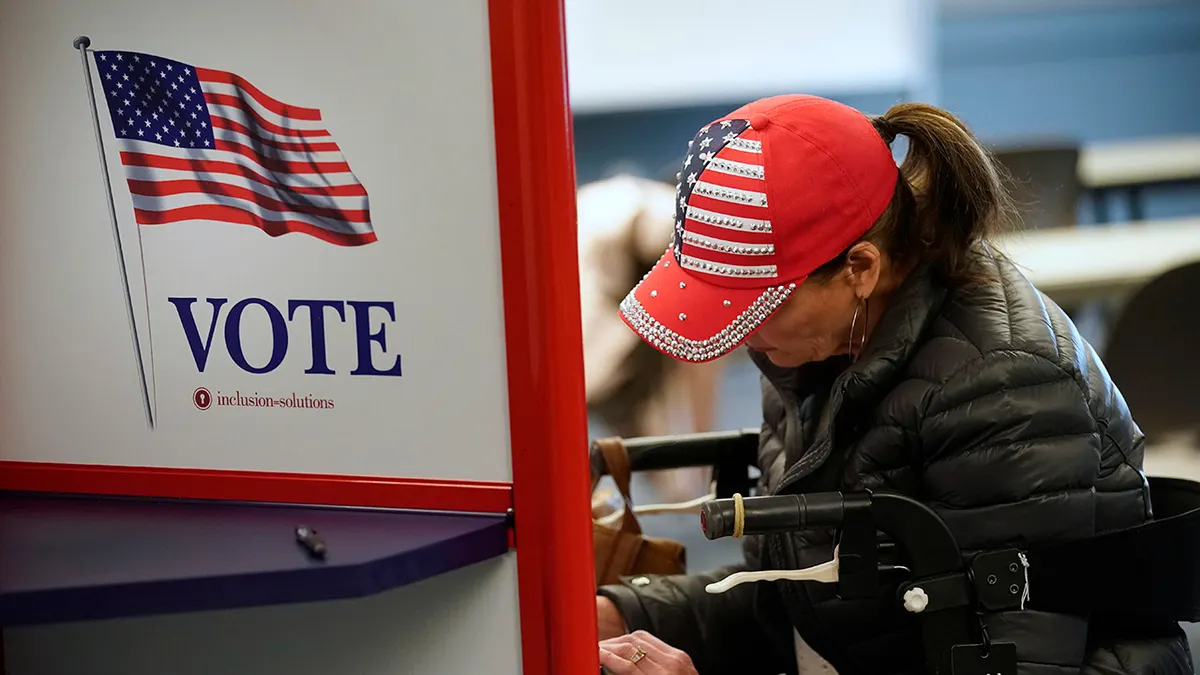
Constitutional Foundations and States' Sovereignty
According to extensive coverage across leading US media outlets, the federal ruling rested heavily on the interpretation of the United States Constitution regarding the delegation of election oversight. The judge determined that the Constitution grants individual states the foundational authority to establish voter qualifications and manage their election procedures. From the court’s perspective, congressional action imposing a sweeping federal prohibition overstepped constitutional limits, effectively intruding upon powers reserved to individual states under longstanding federalist principles.
Republican Outrage and Legal Pushback
The controversial decision immediately prompted severe condemnation from Republican leadership, conservative organizations, and supporters of former President Donald Trump. High-profile conservative figures characterized the decision as an egregious instance of judicial overreach that jeopardizes the rule of law and undermines public confidence in the ballot box. State attorneys general promptly announced expedited appeals to the Circuit Court of Appeals and expressed readiness to take the battle directly to the Supreme Court. Conservative lawmakers emphasized that preserving the vote exclusively for legal citizens remains fundamental to national sovereignty.
Broad Electoral Implications for Upcoming Races
Legal scholars and political analysts believe this ruling will reverberate far beyond courtroom walls, heavily influencing candidate platforms and party fundraising drives in upcoming congressional and presidential races. Disagreements regarding voter registration safeguards, mandatory government-issued photo identification, and immigration enforcement are already deeply polarized across the country. As this landmark decision heads toward appellate scrutiny, it sets the stage for an intense judicial showdown over the balance of power between state legislatures and federal election mandates.

Fadi Q
News writer and editor at Madar24, contributing to the preparation and editing of news and articles and the publication of digital content, with a focus on presenting clear, accurate, and up-to-date information to readers.
All articles by this authorRelated articles

Ramadan Alcohol Ban in Egypt Lawsuit Verdict Set for Nov 28
Egypt's State Council Administrative Judiciary Court sets November 28, 2026, for the final ruling on the lawsuit challenging seasonal Ramadan alcohol restrictions and venue closures.

Queensland Flash Flooding and Rare Supercells Threaten Australia
Catastrophic rainfall triggers flash floods in Queensland while severe supercell storms expand across eastern Australia, prompting SES rescues.