How to Read Nutrition Facts Labels for Healthier Food
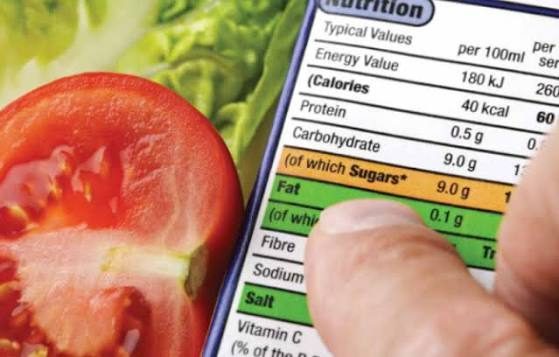
Reading nutrition facts labels is one of the most reliable and empowering habits you can build to take control of your health and diet. Supermarket shelves are saturated with eye-catching packaging claims such as "100% Natural," "Zero Cholesterol," or "Rich in Vitamins." However, marketing slogans often disguise high amounts of hidden sugars, refined starches, and preservatives. Learning how to properly evaluate food labels ensures that you purchase products based on their actual nutritional value rather than superficial advertising. For more expert insights,
What Is a Nutrition Facts Label and Why Does It Matter?
A nutrition facts label is a standardized panel placed on packaged goods that outlines the exact nutritional composition of the food inside. It typically features two critical sections:
- The Nutrition Facts Table: Lists precise numerical breakdowns of energy (calories), macronutrients (carbohydrates, fats, proteins), micronutrients (sodium, calcium, iron), and their respective Daily Value percentages (%DV).
- The Ingredients List: Displays all materials used in descending order by weight. The first three ingredients constitute the vast majority of the product.
1. Scrutinize the Serving Size First
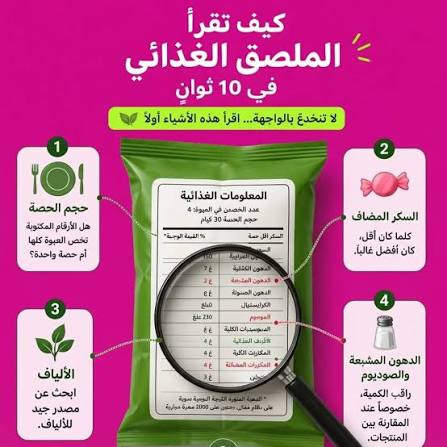
The most frequent mistake shoppers make is checking the total calorie count without looking at the serving size. Manufacturers often divide a single small container into two or three servings to make calorie and fat levels appear lower at first glance. If a snack package displays 150 calories per serving but contains 3 servings, finishing the entire pack results in consuming 450 calories. Always evaluate whether the information applies to a single serving, the full package, or per 100 grams.
2. Understanding Calories in Context
Calories represent the thermal energy your body extracts from food to sustain metabolic function and daily activity. A high calorie count does not automatically make a food unhealthy—foods like cold-pressed olive oil, raw almonds, and wild salmon are calorie-dense but loaded with essential nutrients. Conversely, ultra-low-calorie snacks may lack vital micronutrients. Calorie counts must always be weighed against the presence of whole proteins and dietary fibers.
3. Spotting Hidden and Added Sugars
While natural sugars in whole milk and fresh fruit carry accompanying fiber and enzymes, added sugars contribute to blood sugar spikes, chronic inflammation, and weight gain. Manufacturers frequently mask excessive sugar by splitting it into multiple chemical names across the ingredients list:
- High-fructose corn syrup (HFCS)
- Maltose, dextrose, sucrose, and barley malt
- Evaporated cane juice and concentrated fruit purees
- Choose items where added sugars represent less than 5% of the Daily Value, and steer clear of foods where sugar appears among the first three ingredients.
4. Differentiating Between Dietary Fats
Fat is a vital macronutrient, but the type of fat you consume dictates its impact on your cardiovascular health:
- Healthy Unsaturated Fats: Found in avocados, seeds, walnuts, and extra virgin olive oil; these lipids help lower bad cholesterol and support arterial elasticity.
- Saturated and Industrial Trans Fats: Elevate LDL cholesterol and increase cardiovascular disease risks. Be cautious of "Fat-Free" processed snacks, as manufacturers often replace extracted fat with refined sugars and salt to preserve flavor.
5. Monitoring Sodium Intake
Sodium is an essential electrolyte required for fluid balance and nerve transmission, but excess intake directly correlates with arterial stiffness and elevated blood pressure. Pre-packaged soups, bottled dressings, deli meats, and commercial baked goods frequently contain substantial sodium levels even when they do not taste overtly salty. As a benchmark, products with 140 milligrams of sodium or less per serving are considered low-sodium choices.
6. Prioritizing Fiber and Quality Protein
- Protein: Builds lean tissue, supports metabolic repair, and promotes prolonged satiety between meals.
- Dietary Fiber: Nourishes the gut microbiome, moderates glucose absorption, and optimizes digestion. When purchasing bread, oats, or pasta, verify that the first ingredient specifies "100% whole grain" and provides at least 3 grams of dietary fiber per serving.
Quick 4-Step Product Comparison Guide
- Benchmark Equally: Compare equivalent products using standard 100-gram metrics or identical serving weights.
- Scan the First Three Ingredients: Confirm that unrefined, real food ingredients dominate the formula.
- Minimize Refined Sweeteners: Verify that "Added Sugars" are as close to zero as possible.
- Assess Sodium and Saturated Fat: Select brands that prioritize lower sodium thresholds and healthy fat profiles.
Summary
Mastering nutrition labels is an invaluable tool for taking ownership of your health and food budget. By looking past surface-level marketing and focusing on accurate serving sizes, nutrient balance, and clean ingredients, you can make informed decisions that benefit your body long-term.

Fadi Q
News writer and editor at Madar24, contributing to the preparation and editing of news and articles and the publication of digital content, with a focus on presenting clear, accurate, and up-to-date information to readers.
All articles by this authorRelated articles

Measles Exposure in Georgia: Urgent Health Alert for Patrons
Georgia DPH issues an urgent epidemiological alert after a confirmed measles case visited a LongHorn Steakhouse in Perry, urging symptom checks through Oct 28.

Neonatal Herpes Warning: Baby Dies from Cold Sore Infection (BBC Report)
A tragic UK case highlights the fatal danger of neonatal herpes and cold sores in newborns, detailing crucial pediatric warnings and strict infection prevention guidelines.

Dr Rachna Shroff Renowned Cancer Pioneer Dies at 47
The medical community mourns Dr. Rachna Shroff, a world-class oncology scientist who tragically passed away at 47 from the gastrointestinal cancer she fought to cure.