Israel Elections 2026: Record Turnout Endangers Netanyahu Bloc
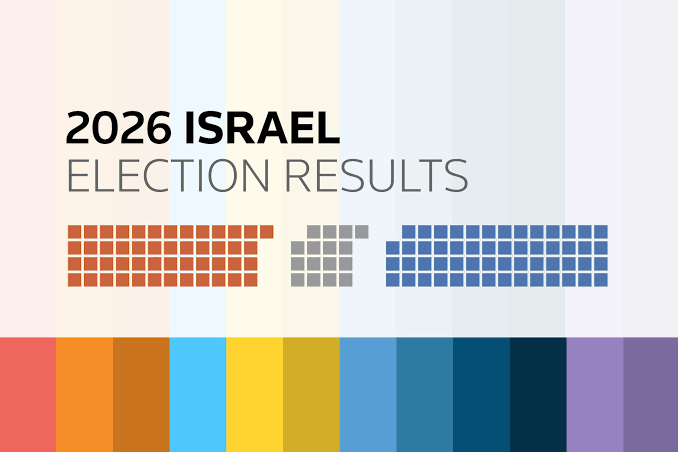
Israel Elections 2026: Record Voter Turnout Hits 53-Year High
The national polling stations opened under extraordinary public mobilization today, as the Israel elections 2026 witnessed an unprecedented surge of citizens determined to participate in a decisive constitutional milestone. Queues formed rapidly across all voting precincts, highlighting an intense civic momentum aimed at redefining the nation's parliamentary composition and determining the trajectory of governance for the coming era.
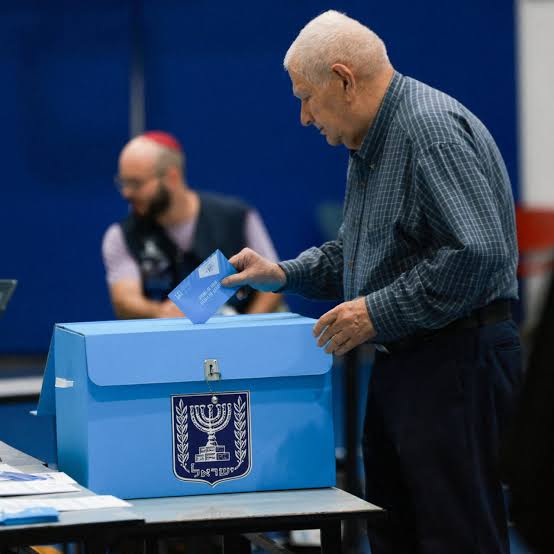
Historic Turnout Sets 53-Year High Watermark
Detailed reporting by Axios and The New York Times underscored that the official voter participation metrics gathered by the Central Elections Committee achieved levels unseen since the historic eighth Knesset election of 1973.
Political analysts and demographic experts emphasize that the massive mobilization observed in urban bastions and coastal moderate strongholds traditionally works against incumbent conservative coalitions. The return of broad independent voter cohorts reflects widespread civic engagement following years of geopolitical strains, institutional volatility, and domestic policy debates.
The Opposition Showdown Led by Gadi Eisenkot
This electoral contest centers heavily on the emergence of a unified opposition alliance directed by former IDF Chief of Staff Gadi Eisenkot. Eisenkot’s campaign platform highlights institutional integrity, structural modernization, defense accountability, and national reconciliation following an extended cycle of crisis.
According to field assessments published in The New York Times, Prime Minister Benjamin Netanyahu faces his most precarious parliamentary test to date. The primary goal of Eisenkot’s bloc is to deprive the governing Likud and its right-wing religious allies of the crucial 61-seat parliamentary majority, thereby establishing a pathway toward an alternative governing framework.
Massive Expatriate Air Bridge Overwhelms Ben Gurion
Adding a dramatic dynamic to the election day, The Washington Post documented an unprecedented influx of expatriate citizens landing at Ben Gurion Airport on dedicated charter operations and commercial long-haul flights from North America and Europe.
Under Israeli electoral statutes, absentee voting through foreign embassies is strictly restricted to accredited diplomats and designated state representatives. Consequently, tens of thousands of citizens living abroad invested significant resources to travel back home physically to cast their ballots directly into local boxes. Commentators point out that these high numbers of incoming votes could tilt the scale in narrowly contested regional divisions.
Concluding Strategic Outlook on the Knesset Balance
The convergence of historical participation rates, a coordinated security-centric opposition, and tens of thousands of returning overseas voters establishes this general election as a historic turning point. The outcome will not only determine Benjamin Netanyahu's political legacy, but will also set the tone for regional strategy, internal unity, and institutional stability in the years to come.

Fadi Q
News writer and editor at Madar24, contributing to the preparation and editing of news and articles and the publication of digital content, with a focus on presenting clear, accurate, and up-to-date information to readers.
All articles by this author