How a Submarine Torpedo Sinks Frigate Target Off Crete
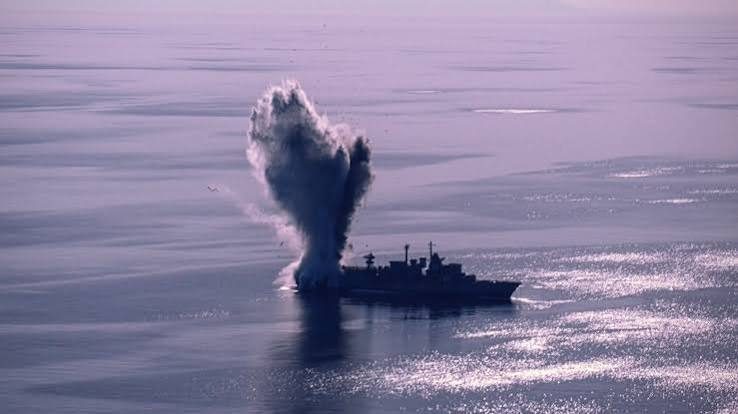
How a Submarine Torpedo Sinks Frigate Target Off Crete
Naval defense analysts and military observers have closely monitored an impressive tactical display where a heavyweight submarine torpedo sinks frigate target with surgical precision during an operational live-fire exercise conducted off the coast of Crete in the Eastern Mediterranean. This high-profile naval drill demonstrates advanced readiness and subsurface lethality in a maritime theater characterized by vital sea lines of communication, critical offshore energy infrastructure, and intense geopolitical positioning among regional powers.
The Catastrophic Physics of Under-Keel Detonation
Modern naval warfare relies heavily on the devastating mechanics of acoustic homing weapons rather than brute impact. Technical evaluations highlight that the deployed heavyweight torpedo was specifically configured to detonate directly underneath the warship's keel rather than impacting the side hull plating. When the explosive payload ignited beneath the vessel, it generated an immense expanding bubble of high-pressure gas that forced the midsection of the frigate upward out of the water.
As the gas bubble subsequently collapsed into an underwater void, the warship lost buoyant support beneath its structural core. The sudden mechanical stress severed the structural keel—effectively snapping the spine of the vessel. Seawater violently flooded the fractured compartments, causing the target vessel to buckle, fill, and slide to the seabed in minutes. This textbook SINKEX engagement underscores why modern subsurface warfare represents an existential challenge to surface task forces, proving that defensive hulls remain vulnerable without integrated anti-submarine warfare (ASW) shields.
Operational Synergy and Drills Around Crete
The naval maneuvers staged south of Crete featured synchronized tactical engagement between the Hellenic Navy and regional partner forces. Joint units practiced localized undersea mapping, long-range acoustic detection, and simulated littoral combat scenarios. Operating in the deep bathymetric trenches surrounding Crete presents distinctive challenges due to underwater thermal layers and variable acoustic profiles, which can easily conceal quiet modern conventional submarines.
Crews carried out intensive target designation tests, validating interoperability between surface combatants, airborne surveillance assets, and submerged hunter-killer platforms. Staging the live-fire event in this maritime sector highlights the strategic imperative of securing essential choke points, safeguarding subsea pipelines, and enforcing international maritime boundaries against unauthorized interference or aggressive posturing.
Strategic Realignment in European Maritime Defense
The successful execution of this live-fire sinking event carries substantial implications for the broader architecture of European defense. Geopolitical analysts observe that Mediterranean nations are increasingly investing in bilateral, high-capability military partnerships to maintain tactical superiority and immediate deterrence across maritime boundaries.
While continental defense policies continue to debate long-term integrated frameworks, operational readiness at sea relies on rapid modernization, interoperable sensor-to-shooter loops, and advanced torpedo technology. The exercise off Crete reaffirms that subsurface warfare remains the foundational pillar of naval deterrence, capable of reshaping operational balances across contested maritime zones in an instant.

Fadi Q
News writer and editor at Madar24, contributing to the preparation and editing of news and articles and the publication of digital content, with a focus on presenting clear, accurate, and up-to-date information to readers.
All articles by this author