Upcoming El Niño Winter and Snow Forecast: Extreme Freeze or Mild Conditions?

The Upcoming El Niño Winter: Are We Facing Historic Freezes and Early Snow?
Scientific insights into the winter outlook: Will it be exceptionally freezing or mild? Learn about El Niño impacts and vital preparedness tips.
As autumn progresses and the cold season approaches, meteorological circles and households alike are actively discussing the upcoming El Niño winter and snow forecast. The central question on everyone's mind is simple yet pressing: are we headed toward an extraordinarily harsh, bone-chilling winter, or will the season trend mild and wet? Providing a reliable answer requires breaking down the intricate physics linking warming oceans to atmospheric circulations.
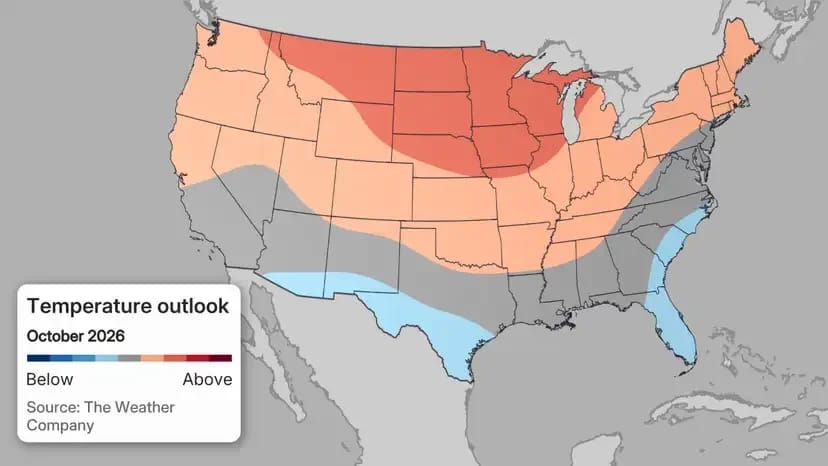
Settling the Public Debate: Extreme Freeze or Mild Conditions?
Meteorological models demonstrate that an El Niño pattern rarely presents a single, uniform climate profile across all geographic zones. Rather than being categorized strictly as "record-breaking cold" or "completely mild," the upcoming winter will most likely be characterized by heightened volatility. During typical El Niño episodes, the subtropical jet stream is energized and pushed southward, frequently delivering periods of warmer-than-average, moist weather across northern stretches, interspersed with sudden, sharp arctic intrusions. Therefore, the dominant feature of this winter will be extreme variability—dramatic transitions between unseasonable warmth and sudden, biting deep freezes.
How El Niño Alters Air Masses and Triggers Early Snowstorms
El Niño is fundamentally driven by anomalous warming of sea surface temperatures in the central and eastern tropical Pacific. This immense heat transfer disrupts atmospheric convection, dramatically steering major air mass trajectories across continents.
When this warm, highly moisture-laden subtropical air collides directly with dense, freezing polar air drifting south, it creates an optimal setup for dynamic, high-precipitation low-pressure systems. These collisions dramatically increase the probability of early-season snowstorms, particularly over high-altitude terrains and northern transition zones. The massive moisture pipeline supplied by the Pacific ensures that whenever temperatures plunge to freezing levels, heavy, wet snowfalls can accumulate rapidly, catching residents off guard earlier than expected.
Practical Steps to Prepare for Autumn and Winter Swings
Navigating these volatile swings demands early, calculated preparation to safeguard health, property, and travel:
Winterize Your Living Space: Seal drafts around windows and doors with fresh weatherstripping, inspect attic insulation, and service central heating units before peak demand hits.
.
Equip Your Vehicle for Freezing Hazards: Replace worn wipers, check battery health, ensure winter tires possess adequate tread depth, and maintain antifreeze fluid concentrations at optimal levels.
Adopt Layered Dressing and Immune Protection: Utilize thermal base layers combined with breathable outerwear to easily adapt to wide day-to-night temperature swings, while maintaining proper nutrition and seasonal wellness routines.
By taking proactive safety measures now, you can confidently weather the seasonal shifts and navigate whatever atmospheric surprises this El Niño cycle brings.

Fadi Q
News writer and editor at Madar24, contributing to the preparation and editing of news and articles and the publication of digital content, with a focus on presenting clear, accurate, and up-to-date information to readers.
All articles by this authorRelated articles


Ramadan Alcohol Ban in Egypt Lawsuit Verdict Set for Nov 28
Egypt's State Council Administrative Judiciary Court sets November 28, 2026, for the final ruling on the lawsuit challenging seasonal Ramadan alcohol restrictions and venue closures.
Queensland Flash Flooding and Rare Supercells Threaten Australia
Catastrophic rainfall triggers flash floods in Queensland while severe supercell storms expand across eastern Australia, prompting SES rescues.