Noah's Ark on Mount Ararat: As Written in the Bible
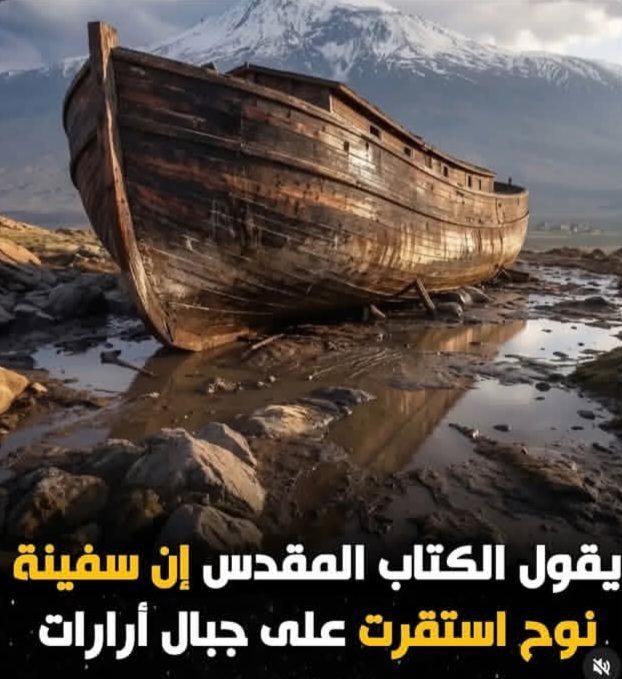
The Mystery of Noah's Ark Resurfaces: What Is Happening Near Mount Ararat?
The eternal quest to uncover Noah's Ark has returned to global headlines and trending discussions as an international team of researchers releases preliminary findings from a high-altitude geological site located near Mount Ararat in eastern Turkey. For centuries, adventurers and scholars have searched this rugged landscape, but recent geological examinations and laboratory testing have introduced fresh scientific curiosity into this ancient tale.
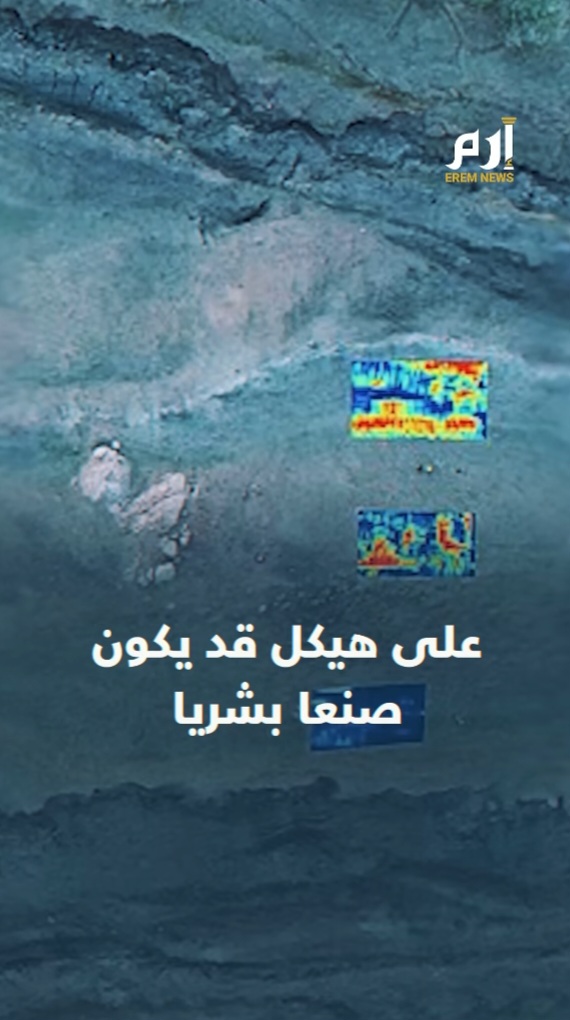
The Durupınar Site: Natural Wonder or Man-Made Remnant?
Situated only a few miles south of Mount Ararat's snow-covered summit lies the Durupınar formation, a striking natural landform with an uncanny, symmetrical boat-like contour[cite: 1, 2]. According to historical documents and biblical texts, the dimensions of the vessel match this formation with surprising accuracy.
A collaborative scientific team gathered rock and soil samples from the formation. Subsequent lab tests revealed the presence of clay-like materials, marine remnants, and biological activity that experts estimate date back between 5000 and 3000 BC. This timeline aligns closely with the widely accepted chronological estimates for the Great Flood narrative.
Bridging Ancient Tradition and Modern Technology
While ancient scriptures mention the ark coming to rest on the mountainous peaks of the region, contemporary researchers rely on advanced subterranean imaging, including ground-penetrating radar (GPR) and 3D subsurface scanning. These non-invasive tools allow scientists to examine potential internal chambers or structural symmetries beneath the hardened outer strata without disturbing the natural terrain.
What Lies Ahead for the Expedition?
Mainstream geologists caution that nature can sculpt deceptive structures through differential weathering, mudflows, and rock folds. However, the presence of localized organic materials warrants continued excavation and academic scrutiny. Whether confirmed as an epochal historical artifact or a remarkable geological coincidence, the enigmatic site near Mount Ararat continues to capture global public imagination and fuel fascinating historical debates.
The ancient mystery surrounding Noah's Ark has resurfaced at the center of global attention following groundbreaking laboratory analyses conducted in eastern Turkey near iconic volcanic peaks. Unlike past speculative explorations, current scientific examinations directly evaluate geological anomalies against ancient historical and religious scriptures that have inspired scholars for centuries
What Does the Bible State About the Ark's Resting Place?
In the Old Testament scriptures, specifically within the Book of Genesis (Chapter 8: Verse 4), a definitive geographic statement is documented:
"And the ark rested in the seventh month, on the seventeenth day of the month, upon the mountains of Ararat."
Moreover, the text in Genesis Chapter 6 sets out explicit architectural blueprints for Noah's vessel: measuring three hundred cubits in length, fifty cubits in width, and thirty cubits in height, constructed using gopher wood and sealed thoroughly with pitch. Over millennia, these particular biblical dimensions established the universal standard applied by researchers investigating physical anomalies across eastern Anatolia.
The Durupınar Site: An Uncanny Match to Genesis
Located just miles from Mount Ararat, an extraordinary boat-shaped geological contour known as the Durupınar formation protrudes distinctly from the mountainous landscape. Modern field measurements confirm that the outer dimensions of this geological formation align remarkably well with the 300-cubit hull length described in the Bible. A collaborative international research team retrieved core soil and petrified rock samples from within the site. Subsequent laboratory results confirmed the presence of marine substances, clay materials, and organic deposits indicating human and biological presence dating between 5500 BC and 3000 BC—an epoch coinciding precisely with the chronological window widely attributed to the Great Deluge.
Historical Reality or Geological Coincidence?
While many conventional geologists argue that the formation is a product of natural erosion and volcanic mudflows, subterranean 3D scans and carbon dating evidence have revealed parallel angles and anomalous structural layers underneath the surface. These findings keep the investigation regarding Noah's Ark as described in the Bible active, credible, and intensely debated across scientific communities worldwide

Fadi Q
News writer and editor at Madar24, contributing to the preparation and editing of news and articles and the publication of digital content, with a focus on presenting clear, accurate, and up-to-date information to readers.
All articles by this authorRelated articles

أسعار الشوكولاتة في ألمانيا تقلب الموازين بين ليندت وميلكا
An unprecedented market paradox hits retail shelves as premium Lindt bars retail below mass-market Milka, prompting immediate executive consequences.
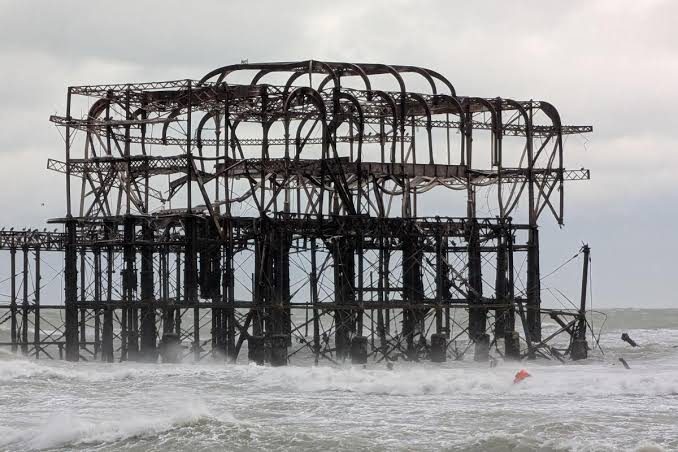
Brighton West Pier Collapse Following Destructive Gales of Storm Austen
High winds and violent waves from Storm Austen trigger structural collapse at the Grade I listed Brighton West Pier along England's southern coastline.