World Space Week 2026: Celebrating the 'Rocket Revolution' and Elite Spacefaring Nations

World Space Week 2026: Pioneering the Rocket Revolution
The international community marks the official commencement of World Space Week 2026, the largest annual space event declared by the United Nations General Assembly. Held every year from October 4 to 10, this global celebration underscores the pivotal contributions of space science and technology toward sustainable development on Earth and the inspiration of future generations.
The 2026 Theme: "Rocket Revolution"
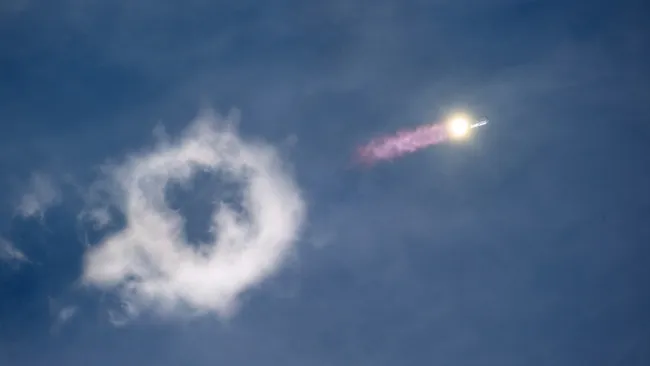
The defining theme for this year's observance is "Rocket Revolution", capturing a monumental paradigm shift across the aerospace landscape. Reusable launch vehicles, pioneering engineering frameworks, and dynamic commercial enterprises such as SpaceX have dismantled decades-old barriers to orbit. By drastically reducing payload costs per kilogram, modern rocket systems have democratized orbital access. Today, private industry, academic institutions, and emerging nations actively contribute to lunar programs, satellite constellations, and interplanetary roadmaps that were once reserved exclusively for superpowers.
The Exclusive Club: Nations That Sent Humans to Space
In conjunction with global events, worldwide analyses have reignited a compelling historical inquiry: Which countries possess the independent capability to launch human beings into outer space?
While dozens of nations operate satellites, the mastery of crewed spacecraft and human-rated rocket architectures remains historically confined to an elite trio:
- The Soviet Union / Russian Federation: Initiating human spaceflight in 1961 with Yuri Gagarin's pioneering Vostok 1 mission, followed by decades of Soyuz reliability.
- The United States: Renowned for the Apollo lunar landings, the Space Shuttle program, and today's cutting-edge commercial crew initiatives in partnership with NASA.
- The People's Republic of China: Achieving autonomous crewed orbital capability in 2003 through the Shenzhou 5 mission and currently operating the permanent Tiangong space station.
India is currently positioned on the threshold of becoming the fourth independent crewed spacefaring nation through its upcoming Gaganyaan human spaceflight mission.
Historical Milestones Defining the Dates
The timing of World Space Week serves as a bridge connecting past achievements to tomorrow's discoveries:
- October 4, 1957: The historic launch of Sputnik 1, humanity's first artificial satellite, inaugurating the Space Age.
- October 10, 1967: The entry into force of the Outer Space Treaty, establishing that space exploration must remain peaceful, sovereign-free, and dedicated to the shared welfare of all humankind.
World Space Week 2026 honors these enduring foundations while celebrating the innovative engineering that carries humanity toward new frontiers.

Fadi Q
News writer and editor at Madar24, contributing to the preparation and editing of news and articles and the publication of digital content, with a focus on presenting clear, accurate, and up-to-date information to readers.
All articles by this authorRelated articles

أسعار الشوكولاتة في ألمانيا تقلب الموازين بين ليندت وميلكا
An unprecedented market paradox hits retail shelves as premium Lindt bars retail below mass-market Milka, prompting immediate executive consequences.

Brighton West Pier Collapse Following Destructive Gales of Storm Austen
High winds and violent waves from Storm Austen trigger structural collapse at the Grade I listed Brighton West Pier along England's southern coastline.