Siberian Plague Crisis: US Demands Full Transparency Following Lab Worker Death and Mass Quarantine
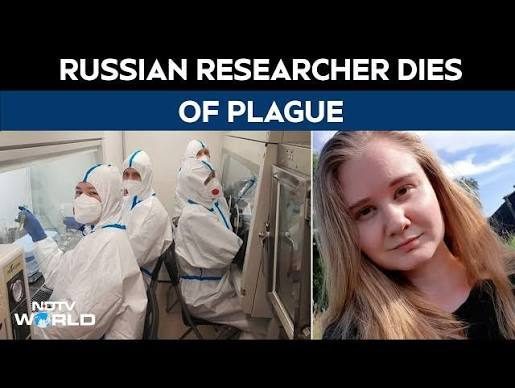
Siberian Plague Crisis: US Demands Full Transparency Following Lab Worker Death and Mass Quarantine
Tensions between Washington and Moscow have escalated following the tragic death of a 28-year-old laboratory specialist at the Anti-Plague Research Institute in Irkutsk, Siberia. The incident surrounding the Siberian plague exposure has quickly transformed into an international health concern, prompting senior US officials, notably Secretary of State Marco Rubio, to formally urge Russian authorities to deliver full transparency and share detailed biological findings immediately.
US Demands and Global Pandemic Fears
According to comprehensive coverage from BBC and TODAY.com, the US administration pressed Moscow to release uncensored lab data and genomic sequencing results. Officials stressed that global institutions must verify there is no ongoing biosecurity hazard or secondary airborne spread. The lack of early public details has stoked global anxieties, drawing uncomfortable comparisons to initial information delays observed during previous international epidemic outbreaks.
Strict Quarantine and Irkutsk Regional Lockdown
In response to the laboratory breach, regional health regulators in Irkutsk took decisive containment measures. Approximately 200 direct and indirect contacts—including medical personnel and lab colleagues—have been placed under mandatory clinical observation. The local medical center that initially admitted the researcher was cordoned off for extensive sterilization. While Kremlin spokesperson Dmitry Peskov urged the public to rely solely on formal state briefings and dismissed unauthorized leaks as unfounded rumors, local reports continue to scrutinize laboratory safety compliance and protocol breaches.
CNN Medical Assessment: Understanding Pneumonic Plague
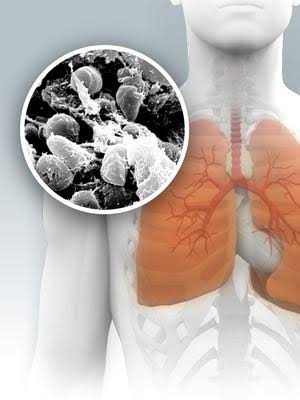
Medical reports highlighted by CNN underscore the grave severity of pneumonic plague, which represents the rarest yet most lethal clinical manifestation of Yersinia pestis. Unlike bubonic plague, which typically spreads through rodent fleas, the pneumonic variant exhibits critical danger vectors:
- Person-to-Person Transmission: It spreads rapidly via respiratory droplets during coughing or close-range breathing, making airborne transmission a potent community risk.
- Narrow Therapeutic Window: The fatality rate reaches nearly 100% if appropriate antibiotic therapy is not administered within the first 24 hours of symptomatic presentation.
- Rapid Deterioration: Patients develop high fever, severe chest pain, extreme fatigue, and rapid hemoptysis (coughing up blood), leading to rapid respiratory failure and sepsis.
As global health monitors observe the Irkutsk quarantine results, the international scientific community continues to appeal for transparent international oversight to ensure biosecurity safety standards are rigorously upheld.

Fadi Q
News writer and editor at Madar24, contributing to the preparation and editing of news and articles and the publication of digital content, with a focus on presenting clear, accurate, and up-to-date information to readers.
All articles by this authorRelated articles
Measles Exposure in Georgia: Urgent Health Alert for Patrons
Georgia DPH issues an urgent epidemiological alert after a confirmed measles case visited a LongHorn Steakhouse in Perry, urging symptom checks through Oct 28.

Neonatal Herpes Warning: Baby Dies from Cold Sore Infection (BBC Report)
A tragic UK case highlights the fatal danger of neonatal herpes and cold sores in newborns, detailing crucial pediatric warnings and strict infection prevention guidelines.

Dr Rachna Shroff Renowned Cancer Pioneer Dies at 47
The medical community mourns Dr. Rachna Shroff, a world-class oncology scientist who tragically passed away at 47 from the gastrointestinal cancer she fought to cure.