Volkswagen Losses Reach €5.8 Billion Amid German Plant Closures
Volkswagen Losses Reach €5.8B Amid German Plant Crisis
The foundation of European heavy manufacturing experienced a seismic disruption this week, as escalating Volkswagen losses took center stage following official quarterly disclosures detailing an unprecedented €5.8 billion net deficit for the third quarter. This sharp downturn highlights the intense structural friction confronting Europe’s premier carmaker as it grapples with exorbitant energy expenditures, intensifying international competition, and a convoluted transition toward electrification.
Massive Deficit Forces Urgent Restructuring
According to verified reports by German public broadcaster NDR, the severe contraction in quarterly operating margins stemmed primarily from comprehensive restructuring charges and extensive impairment costs. Weakening delivery figures across prime international territories have further eroded operating reserves, leaving the automaker exposed to shifting macroeconomic winds.
Financial analysts emphasize that the combination of fixed operational overhead and stagnant automotive demand has created severe imbalances. VW's traditional earnings engine is no longer sufficient to sustain legacy cost models without decisive operational adjustments across its core divisions.
Unprecedented Factory Closures and Labor Confrontations
A comprehensive investigation published by BILD revealed the sweeping severity of turnaround proposals tabled by corporate leadership. Confronted by systemic plant underutilization, the executive committee is actively evaluating the closure of at least three manufacturing facilities across Germany—an action without historical precedent in the brand's extensive history.
The proposed package further mandates an immediate 10 percent salary concession across collective bargaining tiers, supplemented by a multi-year freeze on performance disbursements. This stance provoked immediate resistance from workforce councils and the influential industrial trade union IG Metall, which formally signaled readiness to launch synchronized walkouts capable of shutting down major industrial hubs across the nation.
China Headwinds and the Stagnant EV Transition
Detailed reporting from tagesschau.de underscores the international catalysts compounding the group's difficulties. Volkswagen's historical dominance in mainland China has eroded rapidly under pressure from native automotive competitors offering feature-packed, cost-effective alternatives backed by agile software architectures.
Simultaneously, the brand's electric vehicle line, known as the ID series, has faced sluggish consumer interest across Western Europe following the retraction of state-funded purchase incentives and persistent inflation. Trapped between escalating domestic operating costs and declining global sales volumes, Volkswagen stands at a critical juncture, navigating the complex imperative of safeguarding profitability while addressing legitimate employee concerns throughout the European manufacturing landscape.

Fadi Q
News writer and editor at Madar24, contributing to the preparation and editing of news and articles and the publication of digital content, with a focus on presenting clear, accurate, and up-to-date information to readers.
All articles by this authorRelated articles

Tesla Cybertruck: Between Pikachu Wrap Trend and Foreign Market Bans
The Tesla Cybertruck captures digital attention with a bold Pikachu wrap while confronting regulatory hurdles that caused reservation cancellations in two markets.
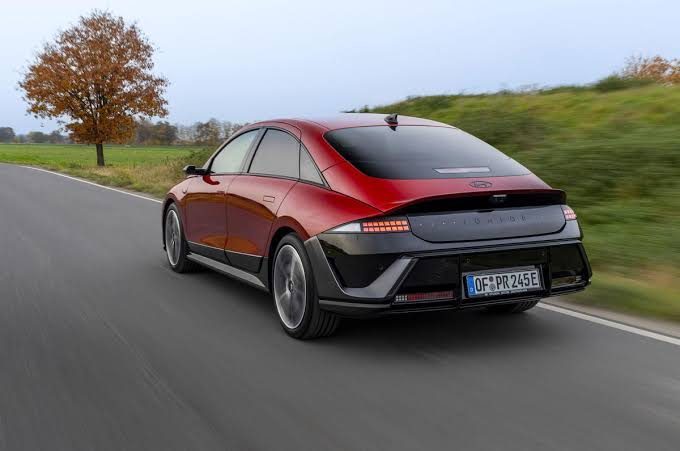
Hyundai Ioniq 6 Facelift Undercuts Tesla Model 3
Hyundai strikes the EV market with its updated Ioniq 6 streamliner, featuring a 423-mile range and an aggressive starting price to directly rival the Tesla Model 3 globally.
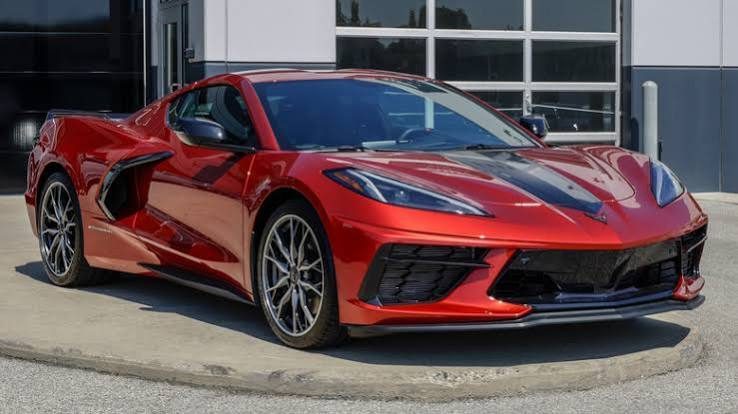
Corvette Test Drive Crash: Driver Fined $12,250 After Bizarre Defense
A Canadian motorist wrecked a Chevrolet Corvette during a test drive and claimed he was a dealership employee; court rejected the defense and ordered a $12,250 payout