Tesla Cybertruck: Between Pikachu Wrap Trend and Foreign Market Bans
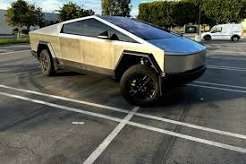
Tesla Cybertruck: Viral Pikachu Wrap and Regulatory Bans
The Tesla Cybertruck continues to stand as the most polarizing and fiercely debated passenger vehicle in modern automotive history. Dominating algorithmic feeds across digital platforms, the angular stainless steel electric pickup routinely demonstrates an unmatched cultural footprint, even as it collides directly with rigid regulatory frameworks and international pedestrian impact mandates.
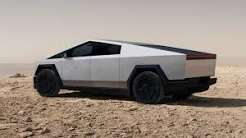
Viral Pikachu Wrap and Intense Consumer Devotion
According to global automotive outlet Supercar Blondie, the Tesla Cybertruck has transformed into a dynamic rolling billboard for pop-culture enthusiasts. A notable build captured international acclaim after an owner cloaked its sharp, stainless steel body in a vibrant yellow wrap tailored to mirror Pikachu from Pokémon. This playful aesthetic inverted the aggressive visual identity of the pickup, generating millions of digital impressions and inspiring widespread dialogue regarding bespoke vinyl craftsmanship on cold-rolled steel.
Simultaneously, Torque News documented the profound loyalty driving customer adoption within North America. The publication tracked owners taking extreme personal financial initiatives, such as disciplined plasma donations over extensive periods, to finance their acquisition. Many of these enthusiasts successfully transitioned legacy internal combustion utility drivers, particularly fans of workhorses like the Chevrolet Silverado 1500, toward Elon Musk's pure-electric utility vision.
Regulatory Headwinds and International Market Cancellations
Contrasting sharply with viral popularity, recent coverage from Yahoo Finance revealed significant administrative setbacks hindering the Cybertruck's worldwide expansion. Tesla recently canceled pre-orders and issued complete deposit refunds in two foreign jurisdictions after authorities concluded the vehicle failed to comply with sovereign pedestrian safety protocols.
Automotive engineers and safety specialists emphasize that the Cybertruck's foundational strength also represents its primary homologation barrier. Its rigid, unpainted exoskeleton lacks standard deformable crumple zones designed to cushion pedestrian strikes. Furthermore, the sharp hood boundaries, geometric fenders, and elevated gross vehicle weight rating (GVWR) combine to heighten pedestrian collision severity, rendering the pickup ineligible for commercial licensing across multiple European and Asian territories without radical structural modifications.
Navigating the Future of the Stainless Steel Pickup
The commercial trajectory of the Tesla Cybertruck underscores a profound structural dilemma. While the platform thrives across North American highways where light-truck safety codes differ, foreign regulators demonstrate zero willingness to compromise on pedestrian impact survival metrics. To unlock global scale, Tesla will ultimately need to decide between keeping the model as an exclusive regional product or engineering a fully revised export edition equipped with pedestrian-compliant front bumpers and softer composite facings. Until then, the vehicle remains an electrifying paradox of viral triumph and regulatory disruption.

Fadi Q
News writer and editor at Madar24, contributing to the preparation and editing of news and articles and the publication of digital content, with a focus on presenting clear, accurate, and up-to-date information to readers.
All articles by this authorRelated articles
Volkswagen Losses Reach €5.8 Billion Amid German Plant Closures
Volkswagen reports a record €5.8 billion net loss in the third quarter as management weighs severe austerity measures, including domestic plant closures and wage cuts in Germany.
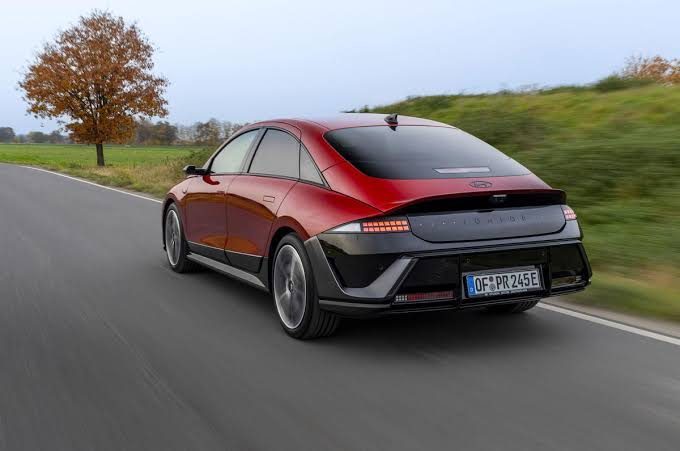
Hyundai Ioniq 6 Facelift Undercuts Tesla Model 3
Hyundai strikes the EV market with its updated Ioniq 6 streamliner, featuring a 423-mile range and an aggressive starting price to directly rival the Tesla Model 3 globally.
Corvette Test Drive Crash: Driver Fined $12,250 After Bizarre Defense
A Canadian motorist wrecked a Chevrolet Corvette during a test drive and claimed he was a dealership employee; court rejected the defense and ordered a $12,250 payout