Infant RSV Vaccine: Landmark 15,000-Baby Study Confirms Parity
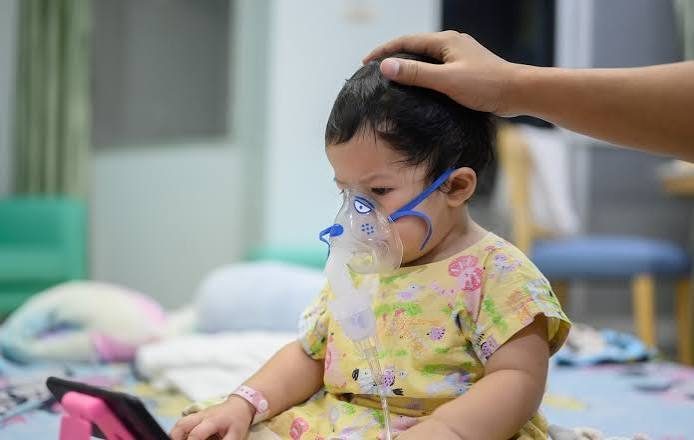
Infant RSV Vaccine: Landmark 15,000-Baby Study Confirms Parity
Securing an infant RSV vaccine represents a milestone in contemporary pediatric immunology, providing reliable protection against the seasonal threat of respiratory syncytial virus during a baby’s vulnerable first months of life. Breakthrough epidemiological updates highlighted by Medical Xpress, Medical Daily, and Johnson City Press present strong evidence on how proactive clinical interventions dramatically reduce pediatric hospital strain and infant respiratory trauma.
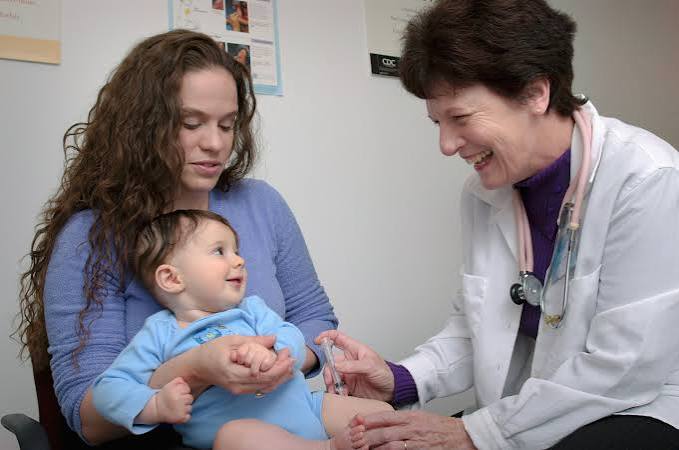
Universal Newborn Rollout Slashes Hospital Admissions
Data released across European clinical institutions underscore the strategic impact of universal infant immunization programs. Respiratory syncytial virus is globally recognized as the leading etiology of acute lower respiratory tract infections, severe bronchiolitis, and viral pneumonia in infants younger than twelve months. Historically, winter surges have pushed pediatric intensive care units (PICUs) to capacity, stretching critical healthcare personnel and physical resources.
Universal access to preventive immunization provides immediate population-level benefits. By administering seasonal prophylaxis to all infants born during or approaching peak viral circulation, health authorities report a sharp decrease in intensive care occupancy and emergency department visits. Universal infant immunization not only safeguards fragile young lives but also yields substantial cost savings for national public health systems.
The 15,000-Baby Comparative Trial: Equivalence Confirmed
Addressing longstanding clinical debate regarding therapeutic selection, a comprehensive multicenter trial cited by Medical Daily evaluated clinical outcomes among 15,124 infants. The clinical trial investigated two primary prevention pathways:
- Vaccinating the expectant mother during the late third trimester to stimulate antibody production that crosses the placenta.
- Administering the long-acting monoclonal antibody Nirsevimab directly to the newborn infant shortly after birth.
The extensive real-world findings established clinical parity between the two prophylactic approaches. The study observed no statistically significant variance in preventing lower respiratory tract hospitalizations, intensive care admissions, or severe bronchiolitis presentations. This demonstrated therapeutic equivalence provides neonatologists, obstetricians, and parents the confidence to select whichever method best accommodates the clinical timeline of pregnancy, gestational delivery date, and medicine availability.
Essential Pediatric Home Protocols for the Infant’s First Winter
Clinical recommendations published via Johnson City Press emphasize that pharmacologic interventions must be reinforced by practical household barrier techniques. While immunizations stimulate specific systemic defenses, parental precautions prevent viral inoculations within the home:
- Strict Symptomatic Isolation: Shield newborns from individuals exhibiting rhinorrhea, cough, or low-grade pyrexia. Handshakes and kissing should be restricted around the newborn.
- Rigorous Hand Hygiene: Household members and visitors must consistently wash hands with warm water and soap for at least 20 seconds before touching or feeding the baby.
- Balanced Indoor Environments: Maintain stable, moderate room temperatures without excessive dry heating. Ensure fresh air circulation to decrease airborne viral concentrations.
- Promoting Breastfeeding: Human milk delivers bioactive proteins and secretory antibodies that strengthen neonatal mucosal barriers against opportunistic pathogens.
- Zero Exposure to Tobacco Smoke: Environmental tobacco smoke damages respiratory cilia and substantially elevates the risk of severe infant wheezing and bronchiolitis complications.
Coordinating cutting-edge neonatal medical immunization with structured domestic hygiene guarantees the highest standard of protection for every infant navigating their initial winter season.

Fadi Q
News writer and editor at Madar24, contributing to the preparation and editing of news and articles and the publication of digital content, with a focus on presenting clear, accurate, and up-to-date information to readers.
All articles by this authorRelated articles
Ebola Outbreak: Historic DRC Patient Recovery Meets Heightened UK Alert
A historic turning point as the last recovered patient leaves an Ebola treatment center in the DRC, accompanied by strict travel and border containment alerts issued by UK health authorities following an epidemic wave that surpassed 10,000 cases.
Measles Exposure in Georgia: Urgent Health Alert for Patrons
Georgia DPH issues an urgent epidemiological alert after a confirmed measles case visited a LongHorn Steakhouse in Perry, urging symptom checks through Oct 28.

Neonatal Herpes Warning: Baby Dies from Cold Sore Infection (BBC Report)
A tragic UK case highlights the fatal danger of neonatal herpes and cold sores in newborns, detailing crucial pediatric warnings and strict infection prevention guidelines.