2026 US Congress Elections: Democrats Win & Vance Remarks
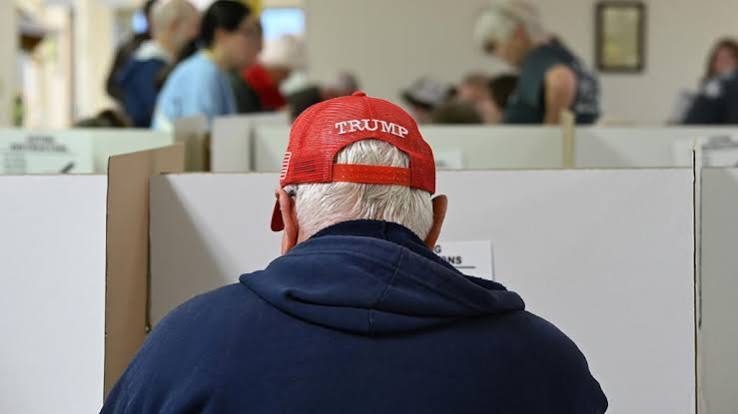
2026 US Congress Election Results & Democrats Win
2026 US Congress elections have marked a historic political earthquake that completely reshaped the balance of power in Washington. Following the Democratic Party's successful capture of majorities and full control over both chambers of the United States Congress (the Senate and the House of Representatives), a severe blow was dealt to the Republican Party and the White House's legislative agenda, amid intensive coverage from major global outlets like The New York Times, NBC News, and The Atlantic.

Sweeping Democratic Victories and Legislative Momentum
As live election coverage from NBC News and The New York Times confirmed, a blue wave swept across critical swing states and suburban districts, enabling Democrats to secure vital seats in the 2026 United States Senate elections and claim an outright majority in the House of Representatives. This sweeping victory was fueled by extensive grassroots mobilization across suburban corridors, among youth demographics, and independent voters who expressed profound dissatisfaction with the current administration's domestic economic policies and international trajectories, particularly amid mounting inflation and cost-of-living pressures.
Vance Breaks Silence and Blames the Iran Conflict for GOP Defeats
In an unsparing post-election appraisal reflecting deep fractures within the conservative camp, The New York Times highlighted frank remarks from Vice President JD Vance (JD Vance), who openly attributed the GOP's legislative rout to the protracted military conflict with Iran. Vance acknowledged that the economic strains, regional escalation, and fiscal costs associated with overseas kinetic operations alienated core segments of the electorate, creating insurmountable political headwinds that ultimately severed the party's governing coalition and triggered a punitive voter response at the ballot box.
A New Era of Divided Government and Rigorous Congressional Oversight
Analyzing the election night trajectory, The Atlantic framed the outcome as a transformative check on the executive branch. By assuming committee gavels, control over legislative calendars, and statutory subpoena authority, the incoming Congress is strategically positioned to impose rigorous scrutiny over foreign military authorizations and domestic regulatory initiatives. This dynamic ensures a highly confrontational governance structure heading toward the next presidential cycle, forcing the executive branch to navigate unprecedented legislative gridlock and intense bipartisan friction.

Fadi Q
News writer and editor at Madar24, contributing to the preparation and editing of news and articles and the publication of digital content, with a focus on presenting clear, accurate, and up-to-date information to readers.
All articles by this authorRelated articles

FAA Ground Stop Disrupts US Flights: Delays and Cancellations Update
Key updates on the nationwide FAA ground stop impacting domestic departures, causing ripple-effect flight cancellations and airport gridlock across the US.
Rising Risks of Social Security Cuts and the Future of Retirement
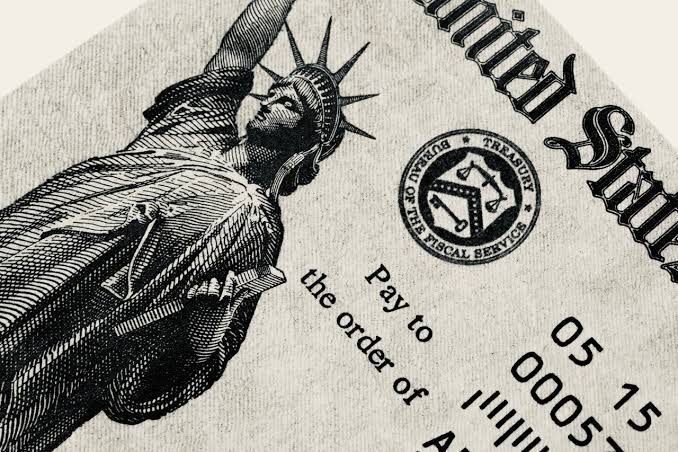
Millions of retirees confront the growing probability of Social Security cuts over the next decade due to shifting taxable payroll trends, prompting urgent discussions on legislative solvency reforms.

Brooklyn building collapse leads to casualties as rescue continues
Overview of the structural collapse in Flatbush, the mobilization of rescue personnel, survivor operations, and ongoing architectural inquiries.