FAA Ground Stop Disrupts US Flights: Delays and Cancellations Update
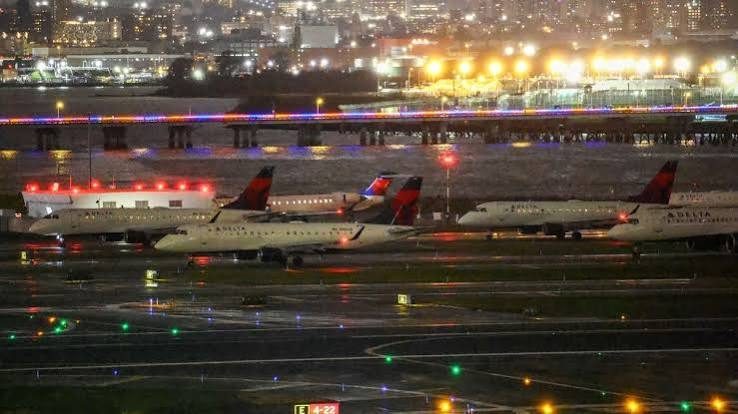
FAA Ground Stop: Flight Delays and Travel Disruption
The announcement of a temporary FAA ground stop triggered extensive disruption across the national airspace system, holding commercial departures at terminal gates and causing profound ripple effects throughout major hubs. Although the sweeping restriction was lifted within hours, the initial system pause left thousands of ticketed passengers navigating cancelled itineraries and substantial scheduling interruptions.
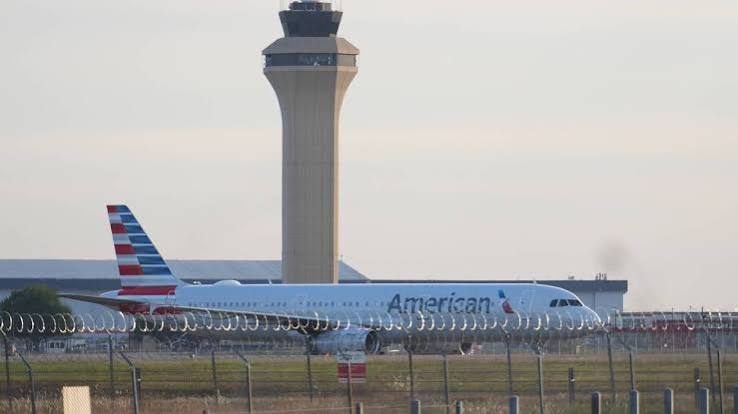
Technical Bottlenecks and Safety-Driven Ground Holds
Federal regulators issue a ground stop only under rigorous precautionary mandates when key operating systems require immediate evaluation. In this instance, technical specialists detected an anomaly within the core coordination networks that feed essential navigation and flight-planning data to dispatch controllers. Halting domestic departures served as an operational shield, ensuring that already airborne aircraft could land safely while preventing oversaturation of critical air corridors.
Engineering crews resolved the underlying server disruptions, running rigorous tests before restoring baseline clearance capabilities. Controllers then systematically approved aircraft for pushback and taxi operations, spacing outbound departures to maintain vital separation intervals and rebuild corridor throughput in a structured manner.
The Compounding Ripple Effect on Carrier Rotations
Lifting the administrative restriction does not instantly normalize complex airline operations. Commercial carriers operate tightly sequenced rotational loops where a single airframe and its dedicated flight crew service multiple domestic segments daily. Once an operational pause grounds planes for consecutive hours, strict duty-hour regulations take effect, legally precluding crews from operating later stages of their daily itineraries.
This displacement manifests as a classic ripple effect: missing flight crews and misplaced aircraft force immediate cancellations or rolling gate holds, even long after airspace conditions return to normal. Hub facilities responsible for connecting international and cross-country traffic face the heaviest burden, as schedule imbalances accumulate across connecting banks late into the evening.
Passenger Experience and Airport Management
Inside passenger concourses, long queues developed around airline service desks as travelers sought seat reassignments, revised connections, and accommodation vouchers. Airport authorities and customer care representatives mobilized additional staffing across terminal facilities to address logistical friction points and manage gate congestion efficiently.
Aviation officials continue to urge ticket holders to review live digital notifications and mobile airline apps prior to departing for terminals. By relying on direct status notifications, passengers can identify gate shifts and revised departure windows early, helping ground teams clear accumulated backlogs and restore domestic flight operations safely and methodically.

nagham n
News writer and editor at Madar24, contributing to the preparation and editing of news and articles and the publication of digital content, with a focus on presenting clear, accurate, and up-to-date information to readers.
All articles by this authorRelated articles

Rising Risks of Social Security Cuts and the Future of Retirement
Millions of retirees confront the growing probability of Social Security cuts over the next decade due to shifting taxable payroll trends, prompting urgent discussions on legislative solvency reforms.
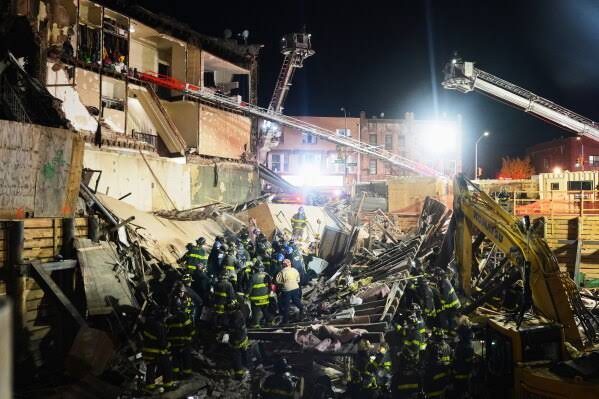
Brooklyn building collapse leads to casualties as rescue continues
Overview of the structural collapse in Flatbush, the mobilization of rescue personnel, survivor operations, and ongoing architectural inquiries.

Full Yella Beezy Trial Verdict: Convicted of Capital Murder
The high-profile Yella Beezy trial ended with a capital murder conviction for orchestrating the fatal shooting of Dallas artist MO3.