Trump-Iran Escalation: Strait of Hormuz and Oil Supply at Risk
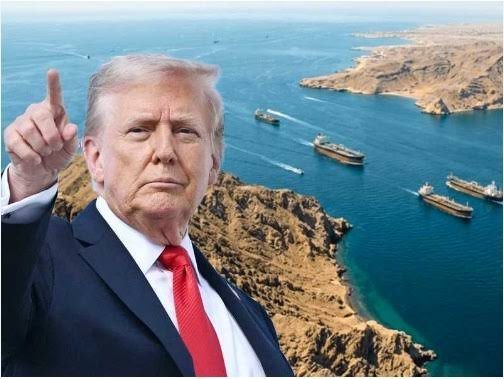
Imminent Conflict: Trump, Iran, and the Strait of Hormuz Crisis
A strategic alert on the collapse of diplomacy; WSJ reveals expected strikes that could paralyze global energy corridors.
The global energy ecosystem and international security frameworks are facing an unprecedented crisis as friction between the United States and Iran intensifies. At the very core of this high-stakes standoff lies the Strait of Hormuz, widely recognized as the world's most vulnerable and critical maritime chokepoint. Political analysts and economic observers are closely monitoring aggressive signaling, recognizing that any tactical miscalculation could trigger a catastrophic disruption across international markets.

Sensitive intelligence disclosures published by the Wall Street Journal have pulled back the curtain on high-level deliberations within Donald Trump’s political orbit. According to inside reports, Trump firmly rejected back-channel diplomatic initiatives and mediation proposals aimed at de-escalating tensions with Tehran. Viewing concession-based negotiations as a strategic failure, Trump advocates for an uncompromising stance built on total economic pressure and credible military deterrence.
Significantly, the reports emphasize calculated strategic patience. Trump has privately anticipated and deliberated decisive military strikes targeting Iranian strategic capabilities, deliberately projecting such moves following the completion of the US midterm elections. The rationale behind this calculated timeline is domestic and economic: launching kinetic operations prior to the elections risks unleashing an instantaneous oil shock, driving domestic gas prices to unprecedented peaks and harming electoral prospects. Postponing confrontation keeps the geopolitical leverage active while delaying catastrophic price spikes.
Strategic Threats to Maritime Freedom and Global Crude Valuations
Handling roughly one-fifth of global petroleum liquid consumption, the Strait of Hormuz remains indispensable to global trade. Iran has repeatedly signaled its willingness to weaponize this narrow passageway using asymmetric warfare tactics, including drone attacks, naval mining, and commercial tanker interdictions. Any structural disruption to this artery would immediately send global crude benchmarks soaring past $130 or even $150 per barrel.
For energy conglomerates, institutional investors, and sovereign policymakers, the current posturing serves as an urgent wake-up call. The geopolitical landscape is precariously balanced, and the collapse of diplomatic safety nets means that the post-election window could rapidly transform dormant tensions into an open regional conflict with devastating global ramifications.

Fadi Q
News writer and editor at Madar24, contributing to the preparation and editing of news and articles and the publication of digital content, with a focus on presenting clear, accurate, and up-to-date information to readers.
All articles by this authorRelated articles
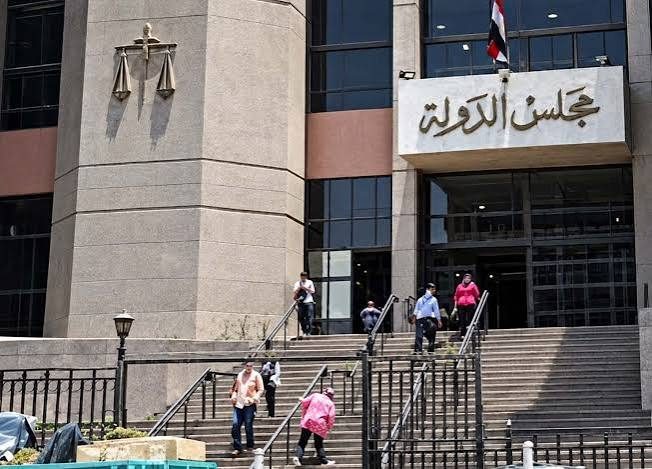
Ramadan Alcohol Ban in Egypt Lawsuit Verdict Set for Nov 28
Egypt's State Council Administrative Judiciary Court sets November 28, 2026, for the final ruling on the lawsuit challenging seasonal Ramadan alcohol restrictions and venue closures.
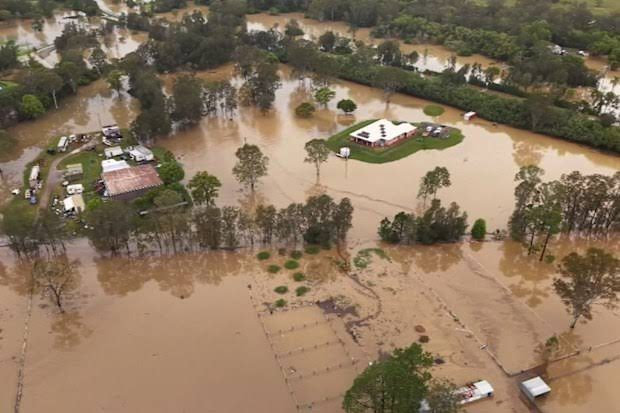
Queensland Flash Flooding and Rare Supercells Threaten Australia
Catastrophic rainfall triggers flash floods in Queensland while severe supercell storms expand across eastern Australia, prompting SES rescues.