Strait of Hormuz Today: Shipping Tensions & Oil Market Rally
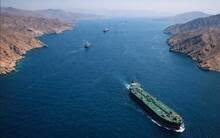
The global energy sector has placed the Strait of Hormuz today under intense scrutiny following renewed maritime security alerts and geopolitical frictions across the world’s most critical maritime transit corridor. As commercial shipping operators raise readiness levels, international markets are closely watching for any potential disruption to crude oil and liquefied natural gas (LNG) shipments exiting the Arabian Gulf.
Strategic Significance of the Global Energy Chokepoint
Geographically positioned between Oman and Iran, the Strait of Hormuz represents the vital artery through which approximately one-fifth of global petroleum liquids passes each day. Because alternate pipeline routes offer limited bypass capacity, international energy markets remain extraordinarily sensitive to any disruptions. Any friction, military drill, or vessel interception immediately drives up war-risk insurance premiums for commercial tankers, sharply elevating maritime transportation costs.
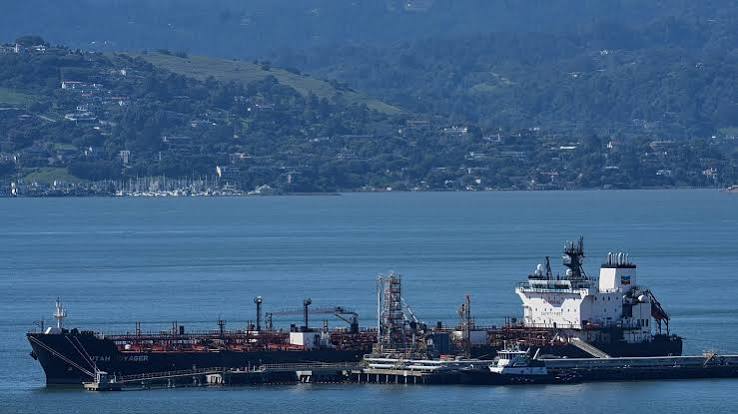
Direct Repercussions on International Oil Prices
Recent developments across the waterway have triggered rapid upward momentum across international crude oil benchmarks, including Brent and West Texas Intermediate (WTI). Global refineries across Europe and Asia are recalibrating procurement strategies in fear of supply bottlenecks. Analysts emphasize that prolonged uncertainty not only escalates freight costs but also compounds global inflationary pressures by threatening steady shipments of industrial feedstocks and fuel supplies.
Maritime Security Prospects and Commercial Safeguards
Maintaining the unhindered flow of merchant marine traffic through critical maritime corridors is recognized as essential under international maritime conventions. Naval task forces and international shipping bodies continue to advocate for de-escalation protocols and transparent navigation frameworks to ensure free passage. Ensuring uninterrupted tanker transit through this bottleneck remains an absolute prerequisite for safeguarding macroeconomic stability and preventing global supply chain disruption.

Fadi Q
News writer and editor at Madar24, contributing to the preparation and editing of news and articles and the publication of digital content, with a focus on presenting clear, accurate, and up-to-date information to readers.
All articles by this authorRelated articles
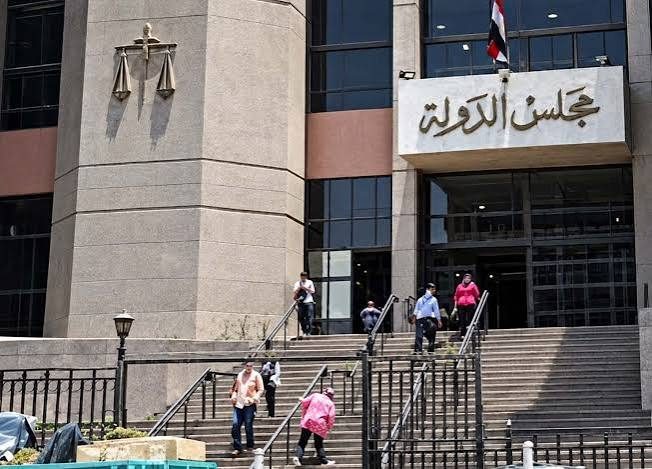
Ramadan Alcohol Ban in Egypt Lawsuit Verdict Set for Nov 28
Egypt's State Council Administrative Judiciary Court sets November 28, 2026, for the final ruling on the lawsuit challenging seasonal Ramadan alcohol restrictions and venue closures.
Queensland Flash Flooding and Rare Supercells Threaten Australia
Catastrophic rainfall triggers flash floods in Queensland while severe supercell storms expand across eastern Australia, prompting SES rescues.