Hormuz Shipping Crisis: Oil Tankers Struck in Middle East Escalation
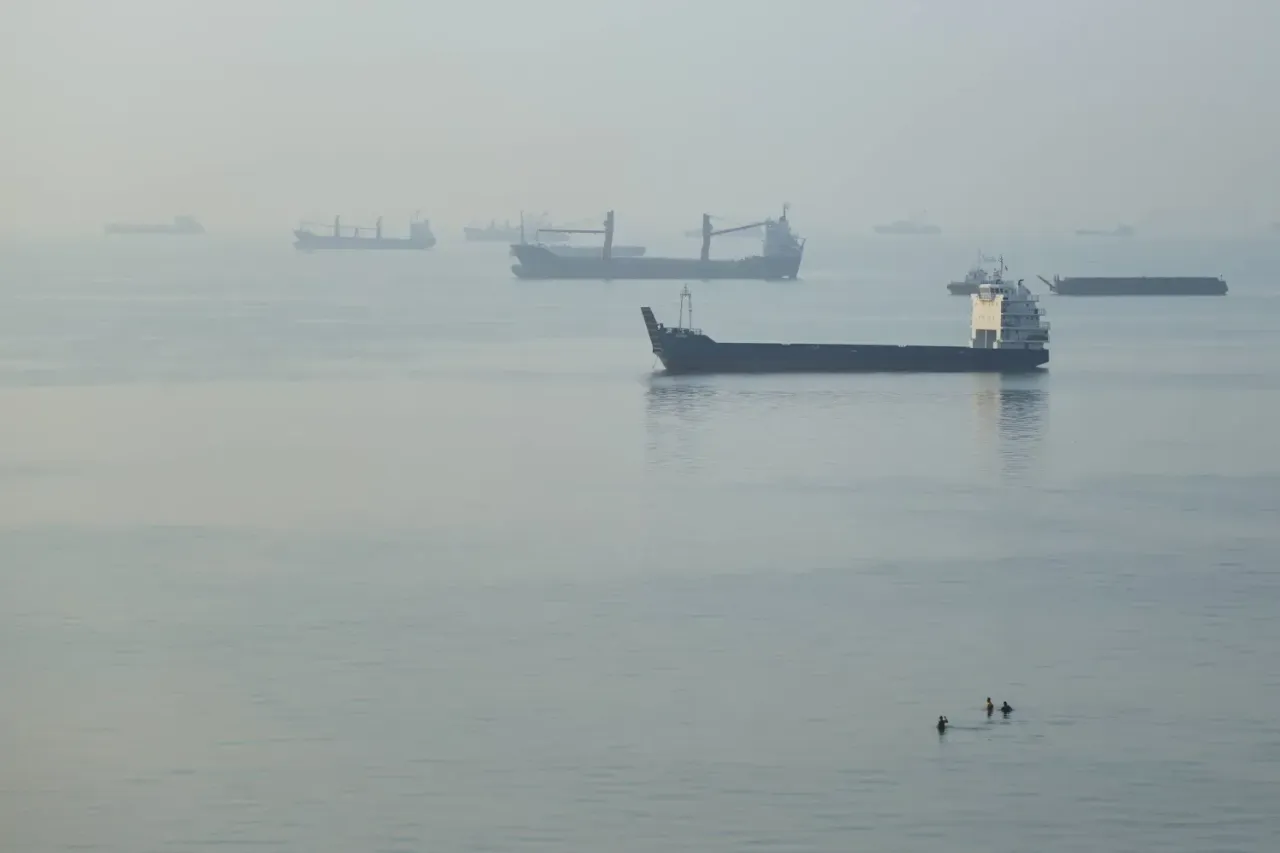
Global Energy Artery on Fire: Projectile Attacks Strike 3 Tankers in the Strait of Hormuz
Tensions across critical maritime arteries surged to unprecedented levels following breaking reports detailing that three commercial vessels, including crude and liquefied gas carriers, were struck by unidentified projectiles near the vital Strait of Hormuz. Prominent news sources such as Al Jazeera, Asharq Al-Awsat, and Sabq reported immediate emergency alerts being broadcast across Gulf maritime frequencies as naval assets rushed to inspect the impacted locations.
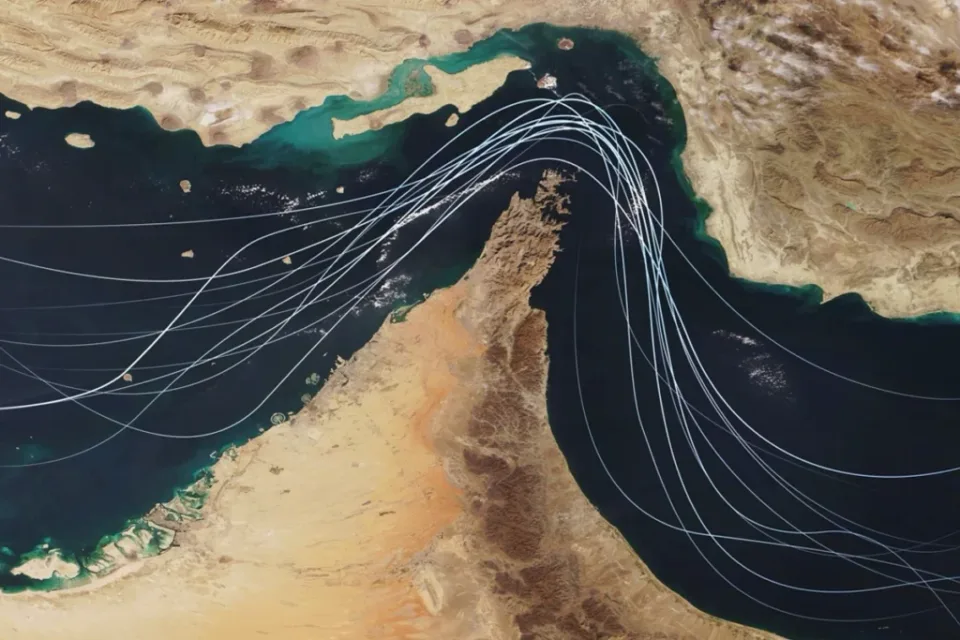
Details of the Tactical Strikes and Material Damage
According to initial maritime safety assessments, the incident involved targeted strikes against three separate vessels. Crew reports indicated direct impacts causing exterior hull disruptions and localized fires, likely delivered via unmanned aerial systems (drones) or remote projectile launchers deployed from agile platforms. While emergency response teams successfully contained onboard fires without reports of severe casualties or catastrophic hull breaches, the affected carriers were instructed to halt their journeys to undergo damage inspection and ensure no hazardous hydrocarbon leakage threatens the regional waters.
The Irreplaceable Strategic Weight of Hormuz
The Strait of Hormuz serves as the world’s most crucial maritime chokepoint, handling an estimated 20 to 21 million barrels of crude oil and petroleum products per day—representing roughly one-fifth of global petroleum consumption. Connecting major Middle Eastern hydrocarbon producers directly to hungry industrial markets across Asia and Europe, even minor security incidents in this tight channel trigger severe cascading disruptions throughout international supply chains.
Geopolitical Speculation and Mutual Accusations
The timing of these targeted operations coincides with heightened regional friction. While commercial maritime security monitors debate whether the strikes originate from regional state actors or non-state proxies aiming to flex asymmetric leverage against ongoing sanctions and political pressure, official spokespersons have urged caution pending technical analysis of the projectile fragments recovered from the ships. The lack of immediate claim of responsibility heightens ambiguity and increases the risk of miscalculation.
Market Repercussions: Brent Crude and Insurance Premiums
Global financial desks responded swiftly, with Brent crude futures surging over 3% in intraday sessions following news confirmation. Concurrently, international marine insurers have revised war-risk underwriters' rates, significantly increasing insurance premiums for commercial vessels transiting the Gulf. These incremental freight and insurance burdens are poised to translate directly into higher fuel and commodity prices worldwide.
Prospective Security Measures and International Escorts
In response, coalition naval commands and maritime trade monitoring entities are reviewing convoy protection protocols, elevating reconnaissance flights, and deploying deterrent patrols to secure open navigation corridors. Diplomatic representations are already signaling coordinated steps to guarantee uninterrupted transit across this vital corridor.
Reader Discussion
Have your say: Do you believe this incident signals the onset of a wider tanker conflict capable of disrupting navigation in the Strait, or will international diplomacy prevent further escalation?

Fadi Q
News writer and editor at Madar24, contributing to the preparation and editing of news and articles and the publication of digital content, with a focus on presenting clear, accurate, and up-to-date information to readers.
All articles by this authorRelated articles
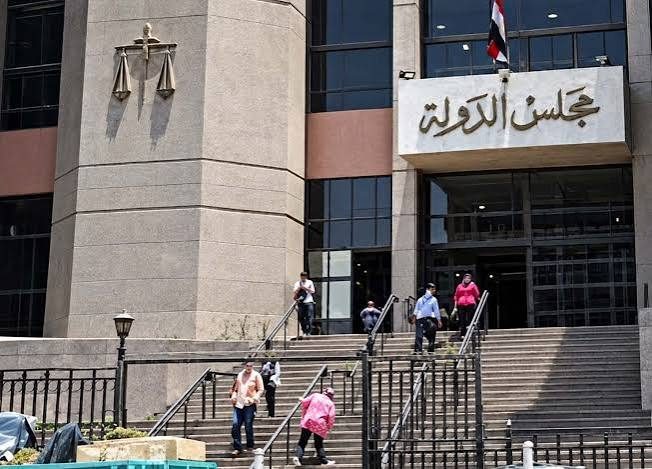
Ramadan Alcohol Ban in Egypt Lawsuit Verdict Set for Nov 28
Egypt's State Council Administrative Judiciary Court sets November 28, 2026, for the final ruling on the lawsuit challenging seasonal Ramadan alcohol restrictions and venue closures.
Queensland Flash Flooding and Rare Supercells Threaten Australia
Catastrophic rainfall triggers flash floods in Queensland while severe supercell storms expand across eastern Australia, prompting SES rescues.