Strait of Hormuz tanker crew pay reaches $150K per month amid record $76M charter deal
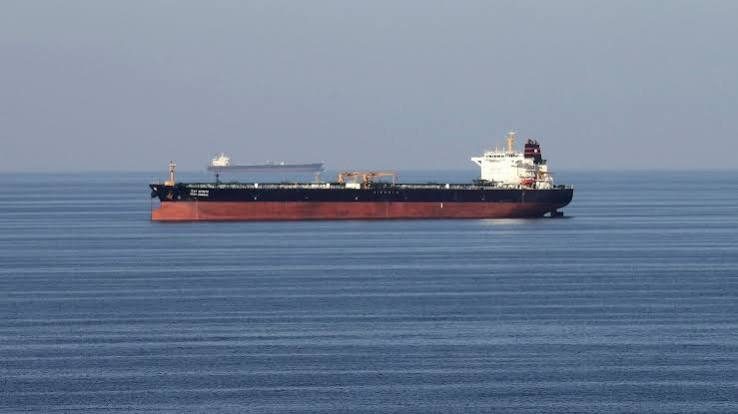
Geopolitical Disruption Shakes Global Maritime Shipping
Global crude transportation networks are facing a monumental crisis as Strait of Hormuz tanker crew pay reaches historic heights. Escalating security tensions across Middle Eastern waters have triggered massive friction in vital chokepoints, compelling shipping conglomerates to overhaul hazard pay models. Prominent financial authorities, including Fortune and the Financial Times, have likened these senior navigators to modern maritime contractors who command staggering fortunes to pilot vessels through volatile waters.
Astronomical Compensation: The $150,000 Monthly Payday
Recent industry reports reveal that captains helming supertankers across the Persian Gulf now command monthly base wages of $100,000, supplemented by an immediate $50,000 danger bonus for completing a single crossing of the Strait of Hormuz. This steep compensation rise reflects a severe reluctance among veteran seafarers to enter designated high-risk conflict zones facing maritime interdictions and drone threats. With qualified maritime officers in critically short supply, fleet operators are left with no choice but to provide exceptional incentives to keep oil lifelines moving.
The $76 Million Charter: Higher Than Orbital Rocket Launches
The economic shock has expanded directly into chartering expenditures. Financial networks, led by CNBC, reported an unprecedented charter contract wherein an international commodities trader secured a Very Large Crude Carrier (VLCC) to move crude from the US Gulf Coast to China for an astounding $76 million—a tenfold leap over baseline pricing.
A notable analysis published by Bloomberg highlighted that the cost of hiring this single vessel now eclipses the price tag of launching a commercial orbital space rocket, such as a SpaceX Falcon 9 mission. This extraordinary metric reflects an unprecedented squeeze on seaworthy tonnage and an astronomical jump in war risk insurance premiums across global underwriting hubs.
The Domino Effect on Global Energy Inflation
Energy analysts caution that these extraordinary freight expenses will soon be felt downstream. Because charterers and shipowners pass rising operational overheads and war risk premiums directly to refiners, end consumers face imminent fuel price spikes. With daily tanker earnings climbing between $120,000 and $400,000 on major lanes, world economies must prepare for a fresh wave of transportation-driven inflationary pressure.

Fadi Q
News writer and editor at Madar24, contributing to the preparation and editing of news and articles and the publication of digital content, with a focus on presenting clear, accurate, and up-to-date information to readers.
All articles by this authorRelated articles

Ramadan Alcohol Ban in Egypt Lawsuit Verdict Set for Nov 28
Egypt's State Council Administrative Judiciary Court sets November 28, 2026, for the final ruling on the lawsuit challenging seasonal Ramadan alcohol restrictions and venue closures.
Queensland Flash Flooding and Rare Supercells Threaten Australia
Catastrophic rainfall triggers flash floods in Queensland while severe supercell storms expand across eastern Australia, prompting SES rescues.