Stealth Fighters Spark Fierce Debate Inside NATO Over Iran Containment
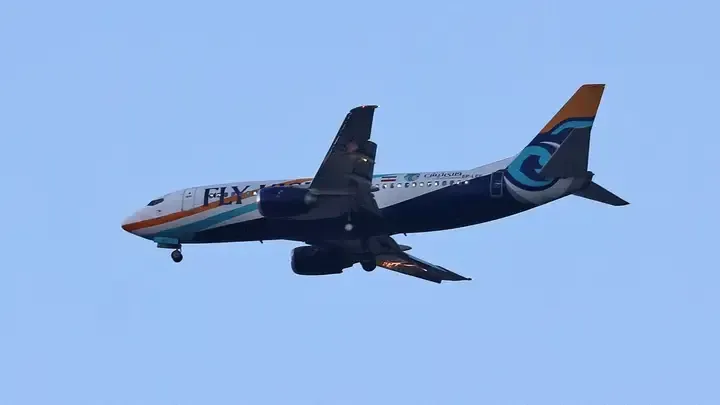
A significant diplomatic and strategic rift is quietly unfolding within Western defense circles, as advanced stealth fighters become the focal point of an intense geopolitical debate
. Recent reports, highlighted by Fox News and defense analysts, reveal that the Trump administration’s rigorous push to exert maximum pressure on Tehran has directly clashed with an allied NATO nation seeking to acquire America’s premier military aviation technology.
High-Stakes Leverage and Defense Agreements
The core dispute revolves around Washington’s firm stance linking the sale and delivery of cutting-edge stealth fighters to uncompromising compliance with international sanctions on Iran. United States officials argue that allied defense upgrades cannot be viewed in isolation from broader collective security goals. Consequently, the administration is insisting that partners dismantle covert financial, supply-chain, and logistics networks that allow Tehran to bypass global embargoes. For Washington, modern air superiority comes with the explicit expectation of complete geopolitical alignment.
Iran's Crippled Aviation Sector and Global Sanctions
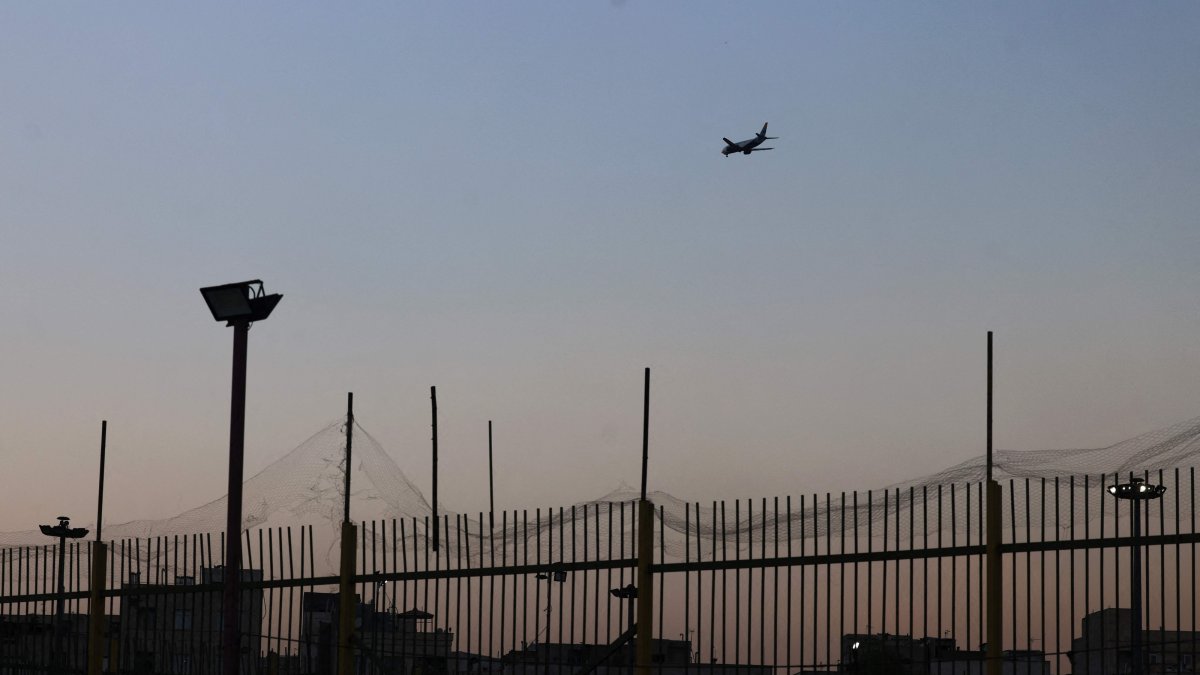
This clash emerges against the backdrop of an ongoing crisis within Iran’s domestic aviation industry. Due to decades of embargoes and severe shortages of critical replacement parts, a major portion of the nation’s commercial fleet has been grounded. As Western routes remain completely inaccessible, Tehran has increasingly relied on alternative corridors, primarily involving Chinese partnerships, to keep its remaining commercial aircraft airborne. Washington is actively looking to close every remaining loophole to prevent any dual-use technologies from reaching Iranian soil.
A Crucial Test for Alliance Cohesion
Defense analysts observe that utilizing premier military hardware as leverage tests the fundamental cohesion of the Atlantic alliance. While the allied country maintains its sovereign right to modernize its defensive perimeter without undue preconditions, American policymakers maintain that protecting the coalition's technological edge necessitates unconditional cooperation in neutralizing destabilizing regional threats. This tension illustrates how modern weapons acquisitions are now deeply entangled with geopolitical compliance and economic enforcement.

Fadi Q
News writer and editor at Madar24, contributing to the preparation and editing of news and articles and the publication of digital content, with a focus on presenting clear, accurate, and up-to-date information to readers.
All articles by this authorRelated articles

Ramadan Alcohol Ban in Egypt Lawsuit Verdict Set for Nov 28
Egypt's State Council Administrative Judiciary Court sets November 28, 2026, for the final ruling on the lawsuit challenging seasonal Ramadan alcohol restrictions and venue closures.

Queensland Flash Flooding and Rare Supercells Threaten Australia
Catastrophic rainfall triggers flash floods in Queensland while severe supercell storms expand across eastern Australia, prompting SES rescues.