Kyiv Strikes Intensify as German Chancellor Friedrich Merz Arrives
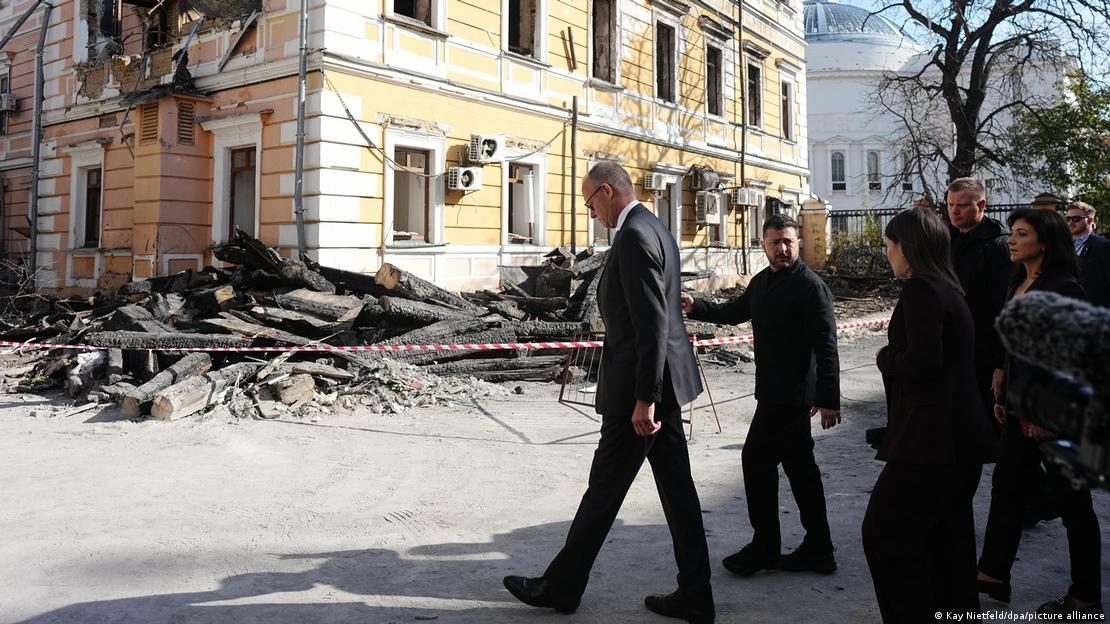
Aerial Escalation During High-Stakes Visit
Explosions rocked the Ukrainian capital of Kyiv following Russian air and drone strikes that directly impacted key transit infrastructure, including the strategic Northern Bridge spanning the Dnipro River. The strikes took place just as German Chancellor Friedrich Merz arrived on an unannounced diplomatic mission, highlighting persistent risks confronting metropolitan centers across the country. Unlike earlier wartime diplomatic visits that typically experienced brief tactical pauses in aerial activity, this operation demonstrated Moscow’s intent to maintain uninterrupted military pressure regardless of foreign delegations on the ground.
Local emergency teams confirmed damage to roadway surfaces and urban transit power lines across key transit arteries. Air-raid warnings sounded across municipal districts as air defense units engaged inbound unmanned systems and cruise projectiles. The focus on transportation hubs underscores a deliberate strategy aimed at complicating civil logistics and civilian movement throughout central Ukraine.
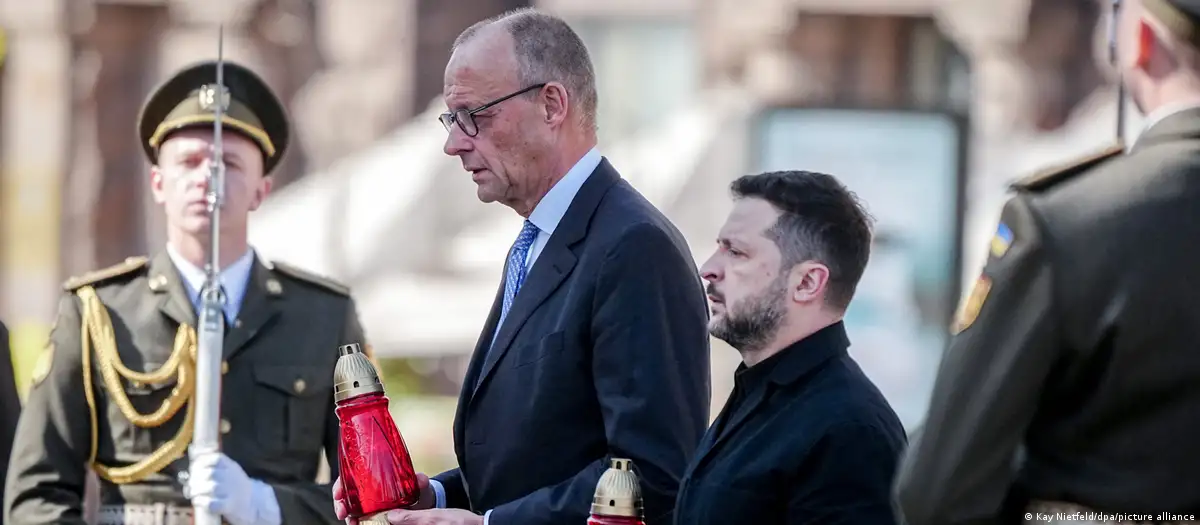
Bilateral Agendas and Defense Cooperation
Upon arrival, Chancellor Merz met directly with Ukrainian President Volodymyr Zelenskyy to discuss acute challenges heading into the cold season. A significant portion of the talks focused on reinforcing layered air defense systems to secure municipal districts, power stations, and essential logistics channels from recurrent long-range strikes. Merz affirmed that Berlin considers upcoming operational developments directly tied to broader European security architecture, noting that collective defense measures must remain decisive and steady.
Discussions also advanced joint defense ventures involving German and Ukrainian industrial partners. Rather than relying solely on direct weapon shipments, bilateral plans seek to expand domestic co-production capacities for defensive drones, specialized munitions, and rapid maintenance operations within secure facilities. This operational shift aims to establish logistical autonomy while optimizing procurement timelines during periods of sustained frontline engagements.
Strategic Implications Ahead of Winter
The timing of the Kyiv strikes highlights escalating operational friction over Ukraine’s energy and urban grid resilience. With substantial thermal generation assets affected by ongoing attacks, Berlin signaled its commitment to comprehensive infrastructure repair funding alongside tactical military hardware. International partners are watching closely to see how reinforced defense systems perform against complex aerial salvos, as sustained protection of metropolitan hubs remains central to civilian continuity and broader economic viability.

Fadi Q
News writer and editor at Madar24, contributing to the preparation and editing of news and articles and the publication of digital content, with a focus on presenting clear, accurate, and up-to-date information to readers.
All articles by this authorRelated articles

Ramadan Alcohol Ban in Egypt Lawsuit Verdict Set for Nov 28
Egypt's State Council Administrative Judiciary Court sets November 28, 2026, for the final ruling on the lawsuit challenging seasonal Ramadan alcohol restrictions and venue closures.
Queensland Flash Flooding and Rare Supercells Threaten Australia
Catastrophic rainfall triggers flash floods in Queensland while severe supercell storms expand across eastern Australia, prompting SES rescues.