Oil Prices Drop Amid Reports of Possible Strait of Hormuz Reopening
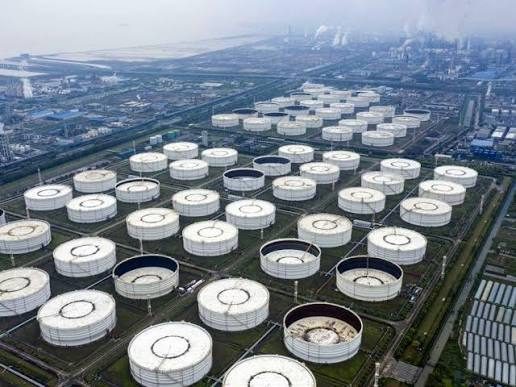
Oil prices fell sharply across international markets following widespread reports suggesting the potential reopening of the Strait of Hormuz within the next seven days. This news significantly eased supply disruption worries, leading to a direct downward correction in major crude benchmarks.
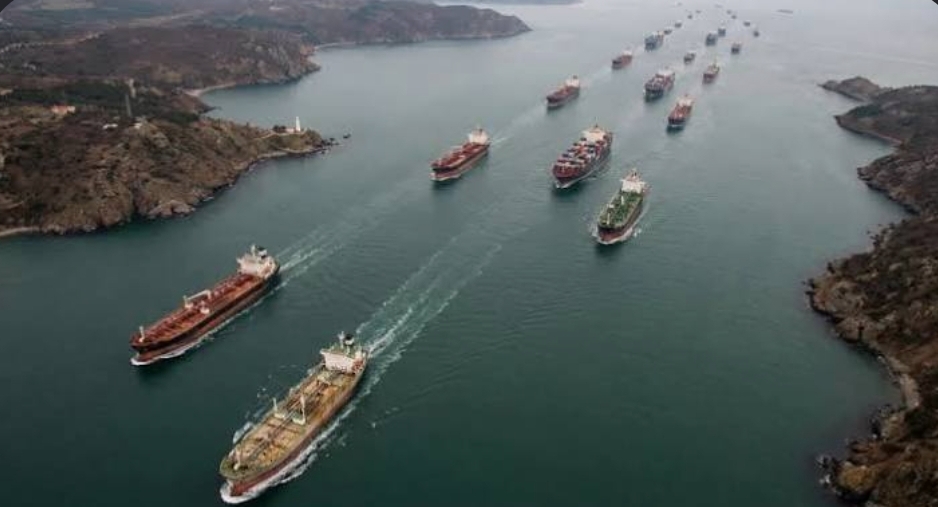
Diplomatic Signals and Strategic Shipping Routes
International reports indicate that restoring regular maritime transit through the strait remains contingent upon practical steps toward easing military and political tensions in the region. Given that the Strait of Hormuz handles roughly 20% of global petroleum liquids consumption, the prospect of de-escalation
quickly erased the geopolitical risk premium that had previously buoyed markets.
Immediate Response from Global Energy Bourses
Both Brent crude and West Texas Intermediate experienced downward pressure as traders unwound long positions and factored in stabilized delivery schedules. Market analysts emphasize that restoring uninterrupted commercial shipping will alleviate exorbitant maritime insurance rates and stabilize global energy supply lines.
Broader Economic Impact and Trade Stability
A secure and operational Hormuz passage is critical not only for crude exporters but also for curbing global inflationary pressures. While traders remain cautiously optimistic, market volatility is expected to persist until formal guarantees and operational corridors are verified on the ground.

Fadi Q
News writer and editor at Madar24, contributing to the preparation and editing of news and articles and the publication of digital content, with a focus on presenting clear, accurate, and up-to-date information to readers.
All articles by this authorRelated articles


Ramadan Alcohol Ban in Egypt Lawsuit Verdict Set for Nov 28
Egypt's State Council Administrative Judiciary Court sets November 28, 2026, for the final ruling on the lawsuit challenging seasonal Ramadan alcohol restrictions and venue closures.
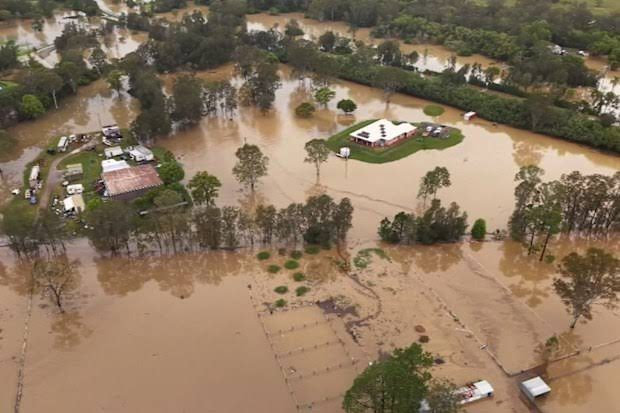
Queensland Flash Flooding and Rare Supercells Threaten Australia
Catastrophic rainfall triggers flash floods in Queensland while severe supercell storms expand across eastern Australia, prompting SES rescues.