Newborn Vitamin K Shot

Newborn Vitamin K Shot: Bleeding Risks and Benefits
The newborn vitamin K shot is universally recognized by neonatal medical organizations as an indispensable prophylactic measure administered immediately following birth. Human neonates enter the world with critically limited biological reserves of vitamin K because lipid-soluble molecules fail to cross the placental barrier efficiently during pregnancy. Additionally, breast milk contains minimal concentrations of this vital micronutrient, leaving immature liver pathways unable to synthesize crucial coagulation proteins. Without an immediate prophylactic intervention, vulnerable infants remain unprotected against life-threatening hemorrhages.
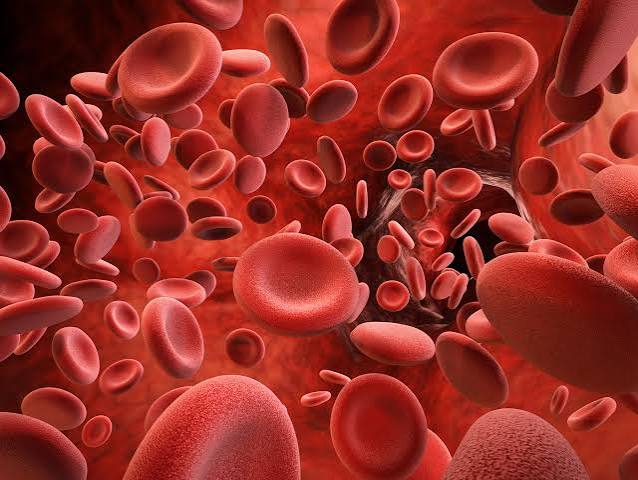
Understanding Vitamin K Deficiency Bleeding (VKDB)
Vitamin K deficiency bleeding, historically referred to as hemorrhagic disease of the newborn, occurs when coagulation factors cannot properly clot the blood. Clinical specialists categorize VKDB into early, classical, and late-onset forms. Late VKDB, which manifests anywhere from two weeks up to six months of age, poses the gravest clinical danger. It frequently involves spontaneous intracranial hemorrhages or severe intestinal bleeding without any prior traumatic event or visible warning bruises. In such circumstances, receiving the newborn vitamin K shot right at birth remains the only proven intervention capable of preventing catastrophic neurological impairment or irreversible mortality.
Differentiating Nutritional Care from Vaccine Hesitancy
In recent years, the rapid proliferation of unverified online health claims has created significant confusion among expectant parents, leading some to conflate essential vitamins with pediatric immunization schedules. Pediatricians stress that vitamin K is a pure fat-soluble nutrient required for normal physiological homeostasis, entirely distinct from biological vaccines. Furthermore, medical trials show that oral vitamin K drops do not match the preventive efficacy of the standard intramuscular injection. Oral absorption varies significantly depending on intestinal maturity and feeding tolerance, leaving neonates insufficiently shielded against insidious, late-onset intracranial bleeding.
Emergency Protocols and Clinical Management
Emergency department physicians face complex hurdles when assessing infants presenting with persistent mucosal or umbilical bleeding if their clinical records lack immediate documentation regarding postnatal prophylactic care. Ongoing hemorrhaging can continue unabated for hours, exhausting blood reserves and placing vital organs under acute hemodynamic stress until appropriate diagnostic assessments prompt rapid therapeutic intervention. Comprehensive prenatal education during regular obstetric appointments is paramount to ensure parents understand the irreplaceable clinical value of immediate prophylactic supplementation before entering labor delivery suites.
Safeguarding infant health requires adhering strictly to evidence-based medical standards established through decades of dedicated neonatal research. Ensuring every infant receives standard postnatal protective care establishes an uncompromised foundation for healthy long-term childhood development.

محمد ق
كاتب ومحرر في مدار24، يساهم في إعداد وتحرير الأخبار والمقالات ونشر المحتوى الرقمي، مع الاهتمام بتقديم المعلومات بصورة واضحة ودقيقة ومحدثة للقراء.
All articles by this authorRelated articles

Richard Norton Death Cause Revealed Following Peptide Injections
Official coronial findings reveal actor Richard Norton death resulted from a fatal cardiac arrest and anaphylaxis triggered by off-label peptide injections.
Infant RSV Vaccine: Landmark 15,000-Baby Study Confirms Parity
A clinical breakthrough across 15,000 infants confirms that maternal vaccination and newborn monoclonal antibodies provide equal, high-level defense against seasonal RSV complications.
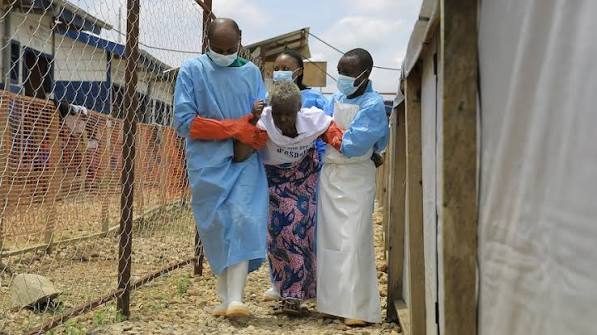
Ebola Outbreak: Historic DRC Patient Recovery Meets Heightened UK Alert
A historic turning point as the last recovered patient leaves an Ebola treatment center in the DRC, accompanied by strict travel and border containment alerts issued by UK health authorities following an epidemic wave that surpassed 10,000 cases.