Ebola Outbreak: Historic DRC Patient Recovery Meets Heightened UK Alert
Ebola Outbreak: Historic DRC Patient Recovery Meets Heightened UK Alert
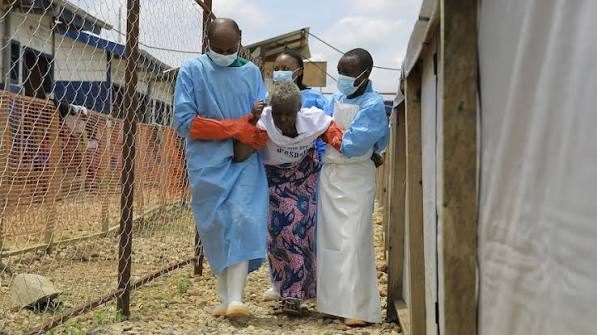
The global fight against the Ebola outbreak registered a deeply historic milestone this week, defined by conflicting developments across international public health frontiers. While medical workers in the Democratic Republic of the Congo celebrated the safe discharge of the last active clinical patient from isolation, senior health authorities in the United Kingdom simultaneously reinforced border surveillance protocols to mitigate residual cross-border transmission vulnerabilities.
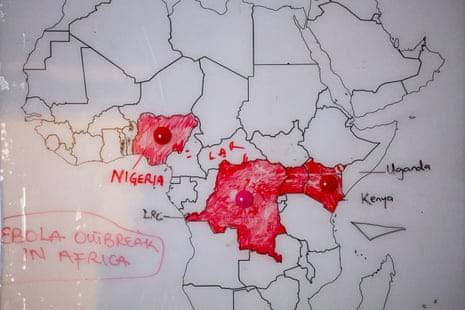
Emotional Triumphs and Clinical Vigilance in Treatment Wards
According to field reports published by Al Jazeera, spontaneous singing, rhythmic drumming, and emotional applause resonated throughout the dedicated clinical facilities in the DRC as the final survivor cleared diagnostic testing and walked out to rejoin the community. Beyond the immense personal relief for the patient, this release triggered the crucial 42-day epidemiological countdown mandated by the World Health Organization. Representing double the pathogen’s maximum 21-day incubation period, this intensive surveillance window requires the complete absence of new confirmed infections before local authorities and international bodies can officially certify the full eradication of the outbreak wave.
Staggering Toll Eclipsing 10,000 Cases Amid Severe Field Peril
Contextual dispatches compiled by ABC News underscored the immense sacrifices required to secure this containment phase. The cumulative epidemiological toll of this wave tragically eclipsed 10,000 cases, highlighting a sustained systemic strain on regional healthcare facilities. Frontline intervention teams operated in exceptionally volatile terrain, encountering armed assaults and severe security disruptions in eastern districts. These hostile conditions claimed the life of a dedicated community nurse and critically wounded another healthcare provider during emergency vaccination outreach, exemplifying the staggering human toll paid by humanitarian workers responding to infectious diseases.
British Health Authorities Reinforce Airport and Clinical Triage
Meanwhile, coverage from The Guardian illuminated the proactive defensive stance taken across European borders. Senior epidemiological advisors at the UK Health Security Agency issued targeted advisories reminding hospital trusts and port-of-entry clinics that containment at the source does not eliminate global exposure risks. Given rapid global air connections, British clinical protocols remain on high standby, directing healthcare practitioners to quickly isolate and evaluate any arriving passengers presenting with unexplained acute fever or hemorrhagic symptoms, thereby preventing imported index cases from developing into uncontained local transmission clusters.
This pivotal development in Central Africa demonstrates the indispensable impact of early antiviral deployment, strict barrier nursing, and cross-border scientific collaboration. However, sustaining this progress requires rigorous contact tracing and uncompromised diagnostic testing throughout the entire monitoring period to guarantee that the virus is eradicated entirely from transmission chains.

Fadi Q
News writer and editor at Madar24, contributing to the preparation and editing of news and articles and the publication of digital content, with a focus on presenting clear, accurate, and up-to-date information to readers.
All articles by this authorRelated articles
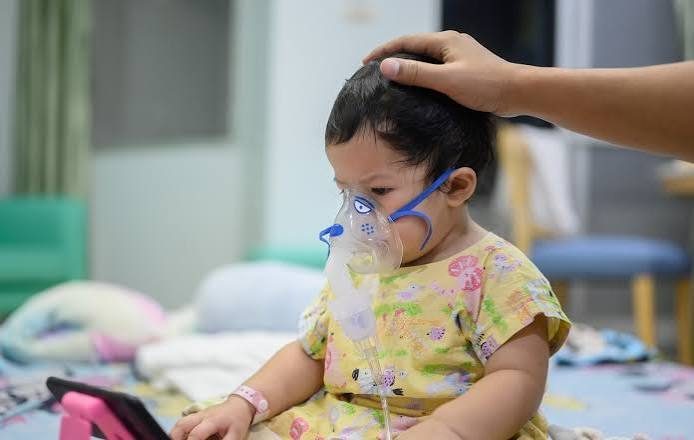
Infant RSV Vaccine: Landmark 15,000-Baby Study Confirms Parity
A clinical breakthrough across 15,000 infants confirms that maternal vaccination and newborn monoclonal antibodies provide equal, high-level defense against seasonal RSV complications.
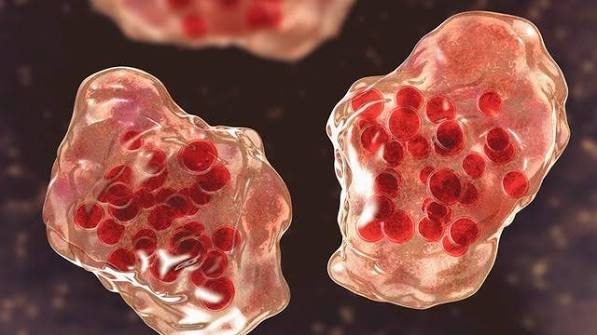
Measles Exposure in Georgia: Urgent Health Alert for Patrons
Georgia DPH issues an urgent epidemiological alert after a confirmed measles case visited a LongHorn Steakhouse in Perry, urging symptom checks through Oct 28.

Neonatal Herpes Warning: Baby Dies from Cold Sore Infection (BBC Report)
A tragic UK case highlights the fatal danger of neonatal herpes and cold sores in newborns, detailing crucial pediatric warnings and strict infection prevention guidelines.