: Netanyahu UN speech sparks mass diplomatic walkouts and widespread protests
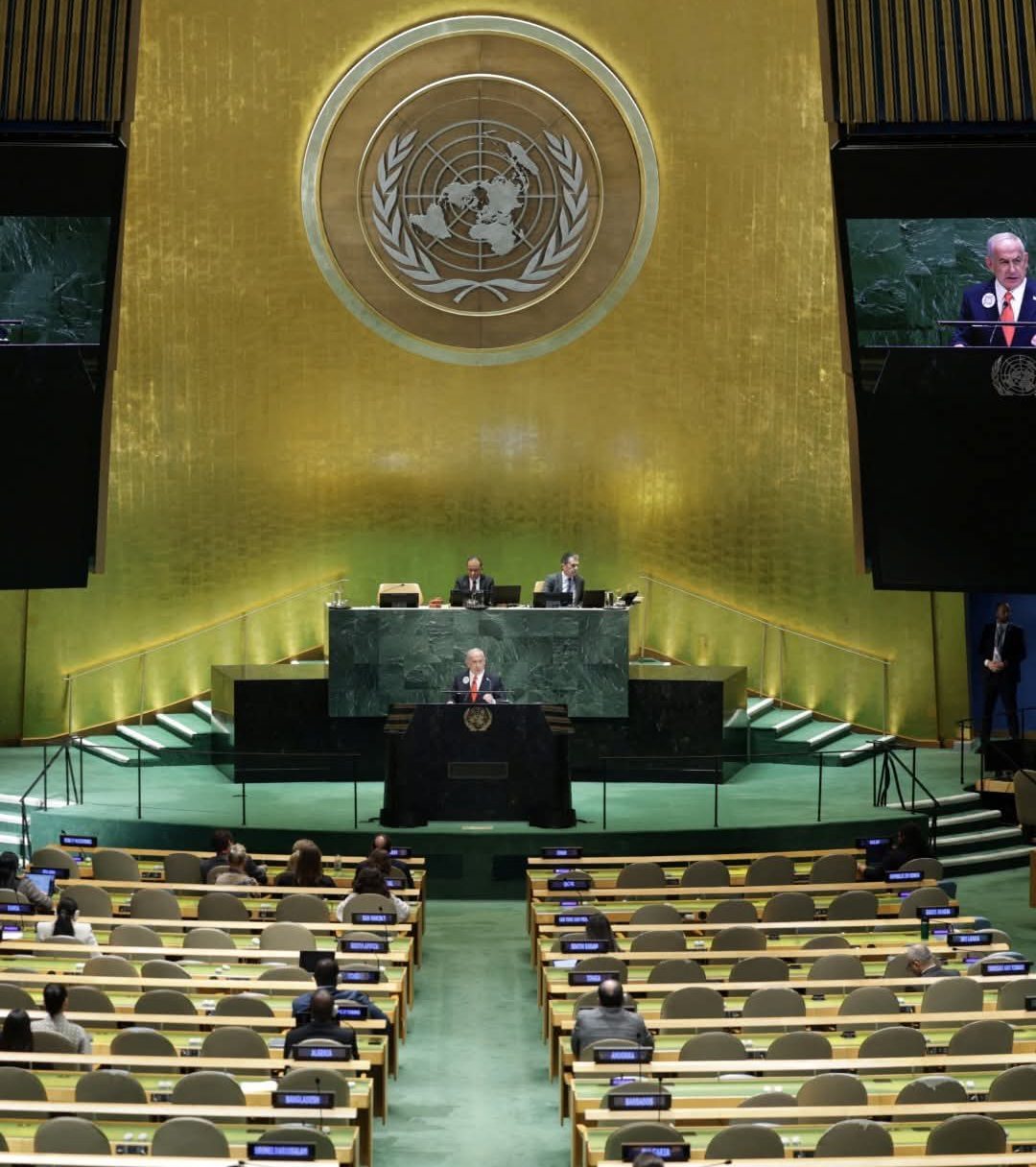
Mass Walkout and Protests Erupt During Netanyahu UN Speech
The Netanyahu UN speech ignited an intense diplomatic wave and marked polarization inside the United Nations General Assembly. As the Israeli Prime Minister stepped up to the podium to address world leaders, dozens of international delegations staged a coordinated walkout in protest against military operations in Gaza and the escalating crisis across the Middle East.
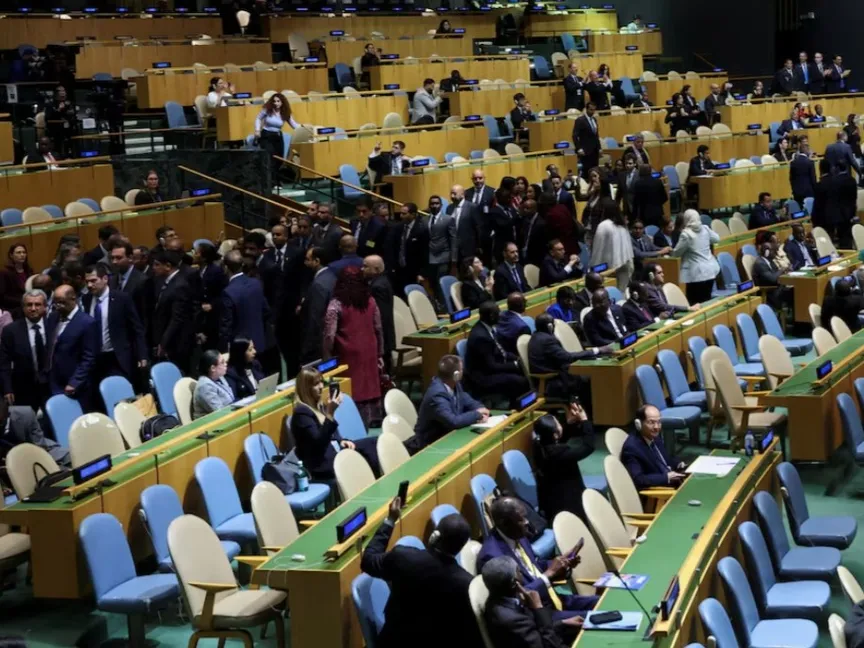
Coordinated Walkout and Assembly Reactions
The chamber witnessed dramatic scenes as diplomats from multiple member states stood up from their seats and exited the assembly hall. This left significant sections of the auditorium empty throughout the speech. Mixed reactions echoed through the hall, blending jeers and boos with scattered rounds of applause from supporting officials.
During his address, the Israeli leader vigorously defended the nation's military campaigns, asserting that ongoing strategic actions were essential for national defense and regional security. He dismissed international condemnation and allegations regarding civilian casualties, characterizing diplomatic pushback as political hypocrisy and rebuking officials who chose to exit the room.
Public Outcry on the Streets of New York
Beyond the walls of the UN headquarters, vocal protests erupted across the streets of Midtown Manhattan. Activists, civil rights organizations, and local residents rallied to voice their dissent against wartime policies, carrying signs calling for an immediate ceasefire, humanitarian access, and international accountability. Law enforcement authorities deployed comprehensive cordons around the perimeter to maintain vehicular access and manage crowd safety.
This diplomatic friction underscores the deepening divide within global governance bodies concerning Middle Eastern policies.
Geopolitical Ramifications and Future Diplomatic Pathways
The dramatic walkout underscored the deepening divide between Israel’s foreign policy rhetoric and the consensus among a vast majority of international stakeholders, including Global South nations and several European allies demanding restraint and civilian protection. Political analysts argue that such coordinated absenteeism serves as a potent symbolic signal, intended to redirect multilateral priorities back toward urgent diplomacy, international humanitarian law enforcement, and substantive negotiations, especially as legal scrutiny mounts worldwide over prolonged regional warfare.

Fadi Q
News writer and editor at Madar24, contributing to the preparation and editing of news and articles and the publication of digital content, with a focus on presenting clear, accurate, and up-to-date information to readers.
All articles by this authorRelated articles
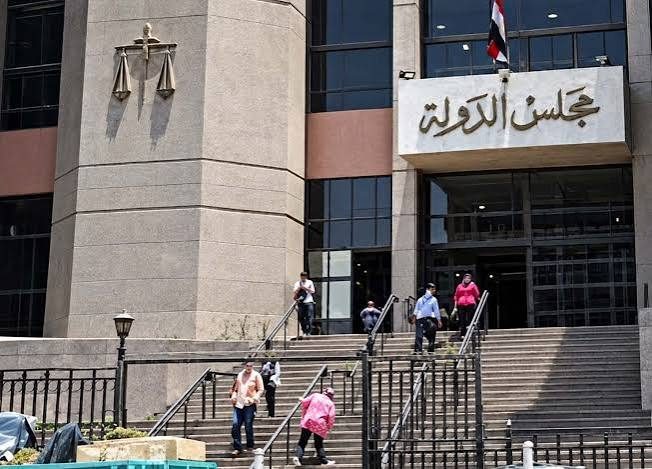
Ramadan Alcohol Ban in Egypt Lawsuit Verdict Set for Nov 28
Egypt's State Council Administrative Judiciary Court sets November 28, 2026, for the final ruling on the lawsuit challenging seasonal Ramadan alcohol restrictions and venue closures.

Queensland Flash Flooding and Rare Supercells Threaten Australia
Catastrophic rainfall triggers flash floods in Queensland while severe supercell storms expand across eastern Australia, prompting SES rescues.