New Drop in Oil Prices: What Does It Mean for Consumers?
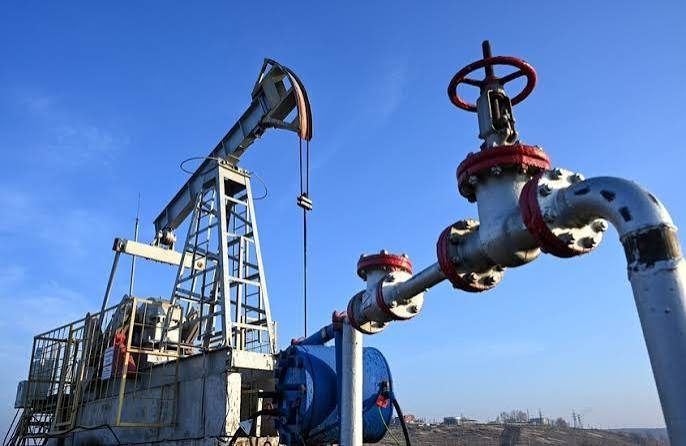
Global oil prices experienced a notable decline today as both Brent crude and West Texas Intermediate (WTI) benchmarks trended downward across international trading hubs. This retreat comes amid brightening prospects surrounding bilateral discussions between the United States and China, combined with fresh geopolitical shifts that have eased fears over supply disruption. For everyday individuals, this development raises an essential question: how does cheaper crude affect household expenses?
The latest slide in the energy markets is driven by several interrelated market dynamics:
- Constructive US-China Dialogue: As the world's two largest consumers of crude oil, positive diplomatic and trade communications between Washington and Beijing foster economic predictability and reduce speculative premiums.
- Easing Geopolitical Pressures: Recent regional developments have diminished the immediate threat to major shipping lanes, enabling refiners to secure shipments with lower maritime insurance overhead.
- Balanced Supply Outlook: Ongoing production stability from non-OPEC+ producers has ensured adequate inventories, mitigating short-term supply bottleneck concerns.
The Direct Impact on Transport and Freight Logistics
The transportation sector functions as the primary transmission mechanism between raw crude oil valuation and consumer-facing retail prices:
- Lower Fleet Operating Expenses: Diesel and gasoline price reductions directly decrease overhead for freight trucking, maritime cargo lines, and railway freight operators.
- Aviation Cost Relief: Jet fuel represents one of the largest operating expenses for airlines; downward pressure on crude typically filters down to airfare stability.
- Supply Chain Efficiency: Reduced logistical freight rates allow manufacturers and retailers to distribute consumer products without passing excess delivery surcharges onto buyers.
What This Means for Everyday Consumers
For households and individual consumers, a downturn in oil prices delivers broad economic advantages:
- Cooling Consumer Inflation: Because energy serves as a foundational input for agriculture, manufacturing, and commercial transport, cheaper energy helps curb headline inflation rates.
- More Disposable Income: Savings realized at the gas station alongside potential stabilization in consumer grocery prices leave families with improved purchasing power.

Fadi Q
News writer and editor at Madar24, contributing to the preparation and editing of news and articles and the publication of digital content, with a focus on presenting clear, accurate, and up-to-date information to readers.
All articles by this authorRelated articles


Ramadan Alcohol Ban in Egypt Lawsuit Verdict Set for Nov 28
Egypt's State Council Administrative Judiciary Court sets November 28, 2026, for the final ruling on the lawsuit challenging seasonal Ramadan alcohol restrictions and venue closures.

Queensland Flash Flooding and Rare Supercells Threaten Australia
Catastrophic rainfall triggers flash floods in Queensland while severe supercell storms expand across eastern Australia, prompting SES rescues.