Electric Cars in the Gulf: Costs, Charging, and Buying Guide
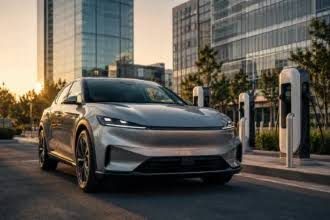
Adopting electric cars in the gulf has transformed from a futuristic ambition into a practical consideration for everyday motorists across GCC member states[cite: 4]. Driven by state initiatives, expanding supercharger corridors, and a wave of new vehicle models, prospective buyers are closely evaluating whether an EV fits regional lifestyles and extreme summer conditions[cite: 4].
Operational Economics: Home Charging Versus Petrol
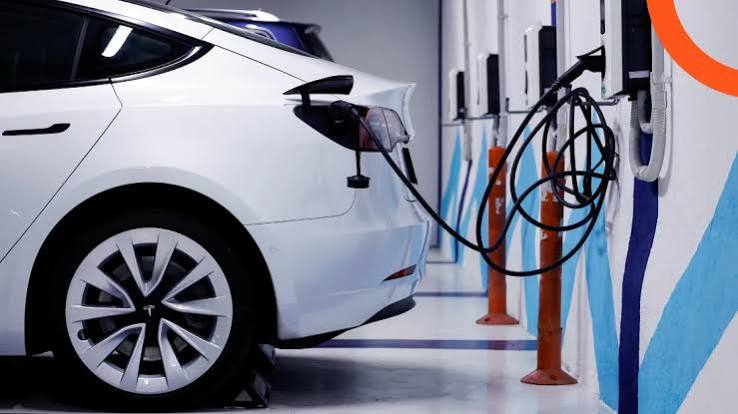
The core financial incentive of driving an electric vehicle in the Gulf relies on home charging accessibility[cite: 4]. Due to advantageous residential electricity tariffs, fully replenishing a 60 kWh to 80 kWh battery at home yields substantial operating savings[cite: 4]. Compared with equivalent fuel consumption of Super or Special grade petrol, home charging slashes monthly fueling expenses by approximately 60% to 70%[cite: 4].
In contrast, reliance solely on commercial direct-current (DC) fast-charging hubs diminishes these margins[cite: 4]. Commercial kilowatt-hour pricing is naturally higher, meaning motorists without designated private parking lose a large portion of the financial edge, as detailed in our comprehensive
Summer Heat Impact and Climate Control Energy Draw
Extreme summer temperatures exceeding 45°C subject high-voltage battery packs to intense thermal stress[cite: 4]:
- Advanced Liquid Thermal Regulation: Contemporary EVs engineered for Gulf specifications incorporate sophisticated liquid-cooling circuits that stabilize lithium cell core temperatures under severe ambient loads and fast charging sessions[cite: 4].
- True Real-World Range Degradation: Prolonged cabin cooling combined with continuous active battery chilling consumes substantial auxiliary power[cite: 4]. Consequently, real-world driving range contracts by 10% to 20% during peak heatwaves compared with cooler winter driving[cite: 4]. Drivers planning highway travels should factor this margin into their route planning[cite: 4].
Maintenance Simplicity Against Repair Realities
From a mechanical standpoint, battery-electric powertrains eliminate hundreds of wearable moving components[cite: 4]. Owners bypass motor oil flushes, timing belts, spark plug swaps, and fuel filter replacements entirely[cite: 4]. Additionally, regenerative braking systems dramatically extend brake pad life[cite: 4].
However, specialized collision repairs, high-voltage sensor calibration, and structural body repairs require certified agency technicians rather than conventional aftermarket workshops[cite: 4]. This dynamic often leads to moderately higher comprehensive insurance premiums for luxury electric models[cite: 4].
Essential Buyer Checklist for GCC Motorists
Before finalizing an EV acquisition, review these practical verification milestones[cite: 4]:
- Dedicated Residential Power Access: Verify that your villa or designated parking bay allows installation of a certified 7 kW to 11 kW wallbox charger[cite: 4].
- Factory Battery Warranty: Secure authorized dealer coverage that provides a minimum warranty of 8 years or 160,000 kilometers on the traction pack[cite: 4].
- Driving Routine Assessment: Commuters covering less than 200 kilometers daily within city limits gain maximum efficiency, whereas frequent intercity cross-border drivers may still benefit from modern plug-in hybrid setups[cite: 4].

Fadi Q
News writer and editor at Madar24, contributing to the preparation and editing of news and articles and the publication of digital content, with a focus on presenting clear, accurate, and up-to-date information to readers.
All articles by this authorRelated articles

Speed radar in Germany nabs reckless driver clocked at 151 km/h on highway B90
German traffic police apprehend a motorist traveling at 151 km/h on rural B90 alongside 63 other speeders during an intensive enforcement sweep.
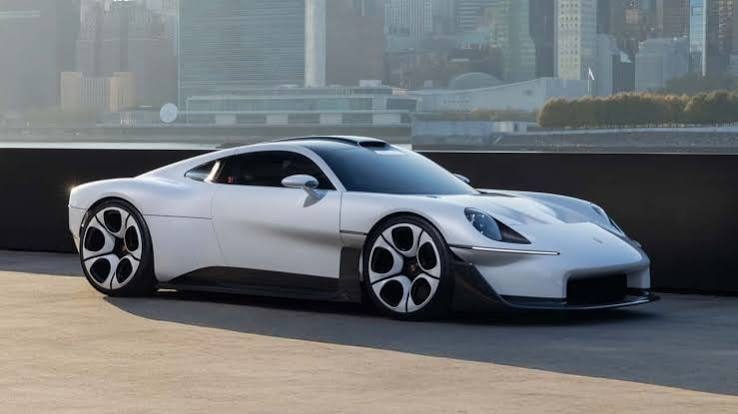
Porsche Mission S Concept Rejects Screens and Full Electrification
Porsche AG has officially revealed the Mission S, a breathtaking mid-engine supercar concept powered by a high-revving combustion powertrain, analog dials, and zero touchscreens.
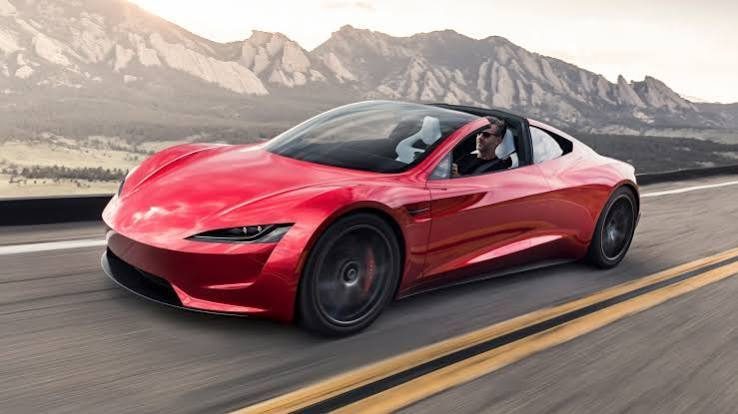
Tesla Roadster Unveils Its Speed Secrets Tonight After Delays
Tesla is set to officially unveil the production Next-Gen Tesla Roadster tonight, resolving multi-year delays while detailing extreme performance and SpaceX thruster tech.