Ford Electric Pickup: Why Used F-150 Lightning Sales Boomed at 50% Off
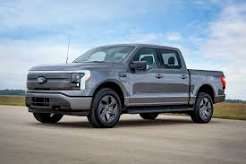
The Ford electric pickup market is witnessing one of the most compelling economic case studies of the electrification era, proving that consumer adoption is governed primarily by pricing rather than technology. Following Ford Motor Company's decision to discontinue the flagship F-150 Lightning to stop unsustainable manufacturing losses, the vehicle has experienced an unprecedented resurgence in the American secondary market
The 50 Percent Secondary Market Phenomenon
As documented by Bloomberg and tracked by leading industry analysts, the initial failure of the F-150 Lightning in new car showrooms was never caused by poor performance or lack of consumer interest[cite: 1]. Instead, an initial average transaction price hovering near $80,000 created an insurmountable barrier for mainstream utility buyers, forcing automakers to subsidize unsustainable manufacturing overhead[cite: 1].
However, the rapid depreciation cycle of modern EVs has shifted transaction values into a sweet spot between $40,000 and $45,000[cite: 1]. At this price point—representing nearly a 50% discount off the original window sticker—dealership inventory is selling at historic velocities[cite: 1]. Commercial contractors, independent tradespeople, and everyday commuters are securing these trucks as dependable, cost-effective work vehicles.
Key Market Takeaways: Price Elasticity Over Range Anxiety
The used Lightning craze clearly dismantles the myth that blue-collar truck drivers are inherently hostile to battery-powered powertrains. When offered at an accessible parity with gasoline-powered trucks, buyers quickly recognize the inherent strengths of electric utility:
- Instant high torque and responsive acceleration under heavy payloads.
- Significant reduction in routine mechanical maintenance and zero fuel pump stops.
- Vehicle-to-load bidirectional exportable power (Pro Power Onboard) capable of running worksite equipment or home backups.
- Weatherproof secure cargo space inside the massive front trunk compartment.
The Future Pivot: Sub-$30,000 Ford Fathom for 2027
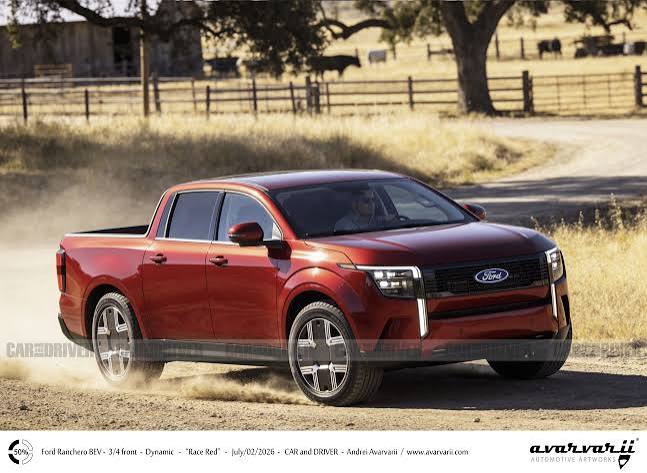
Recognizing that the mass market requires entry-level pricing rather than oversized six-figure luxury trims, Ford is actively developing its next-generation platform[cite: 1]. The upcoming vehicle, internally recognized under the project moniker "Fathom," is scheduled for commercial release in 2027[cite: 1].
Engineered on an affordable Universal Electric Vehicle (UEV) architecture, the Fathom targets an entry base MSRP starting around $28,350[cite: 1]. By cutting complexity and focusing on realistic battery sizing, Ford aims to capture organic retail demand without relying on heavy subsidies or facing severe per-unit margins[cite: 1].

Fadi Q
News writer and editor at Madar24, contributing to the preparation and editing of news and articles and the publication of digital content, with a focus on presenting clear, accurate, and up-to-date information to readers.
All articles by this authorRelated articles

Speed radar in Germany nabs reckless driver clocked at 151 km/h on highway B90
German traffic police apprehend a motorist traveling at 151 km/h on rural B90 alongside 63 other speeders during an intensive enforcement sweep.
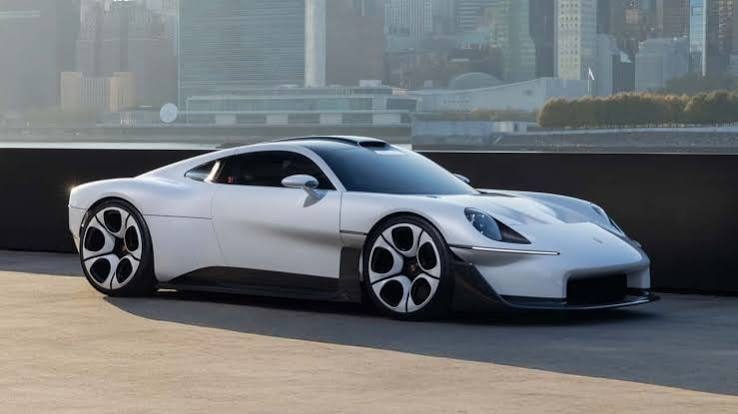
Porsche Mission S Concept Rejects Screens and Full Electrification
Porsche AG has officially revealed the Mission S, a breathtaking mid-engine supercar concept powered by a high-revving combustion powertrain, analog dials, and zero touchscreens.
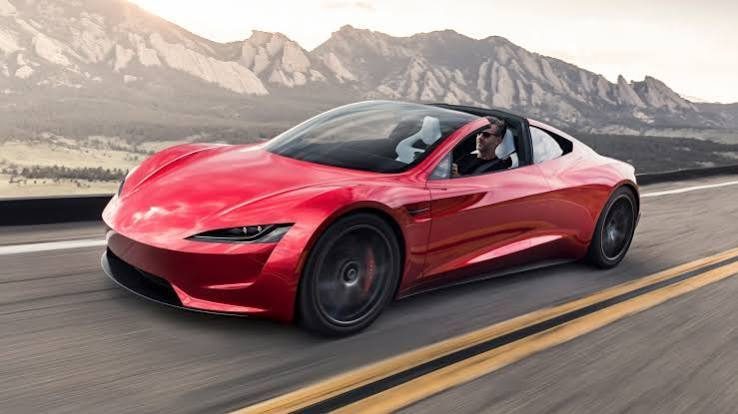
Tesla Roadster Unveils Its Speed Secrets Tonight After Delays
Tesla is set to officially unveil the production Next-Gen Tesla Roadster tonight, resolving multi-year delays while detailing extreme performance and SpaceX thruster tech.