Tesla Roadster Unveils Its Speed Secrets Tonight After Delays
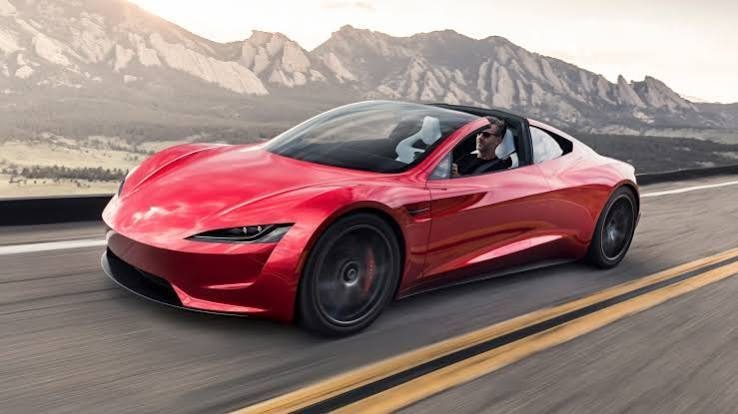
Tonight, automotive enthusiasts and Wall Street analysts turn their focus toward Tesla as the company prepares to pull back the curtain on the finalized production model of the Tesla Roadster. This long-anticipated showcase represents the definitive resolution of an extensive engineering journey, offering the world an unfiltered look at what may become the quickest production vehicle ever constructed.
Concluding a Decade-Long Odyssey for the Tesla Roadster
The saga originally gained global traction in November 2017, when Elon Musk unexpectedly unveiled the crimson prototype alongside the Tesla Semi. Commercial rollout was initially pledged for 2020. However, persistent macroeconomic shifts, lithium battery supply bottlenecks, the prioritization of the Cybertruck manufacturing line, and major investments in full self-driving neural networks delayed the rollout.
Tonight’s event formally resolves those prolonged postponements. Prospective buyers who locked in reservations with substantial $50,000 deposits will finally receive definitive confirmation regarding final pricing tiers, vehicle curb weights, and anticipated manufacturing timelines. This milestone solidifies Tesla's reputation for turning boundary-pushing aerospace concepts into tangible, street-legal machinery.
Revolutionary Metrics and SpaceX Engineering Synergy
Beyond aesthetics, the core excitement surrounding the vehicle lies in its groundbreaking mechanical specifications. Chief among these targets is an astonishing zero-to-60 mph sprint achieved in under one single second. If certified under independent testing conditions, this threshold would shatter existing automotive acceleration benchmarks across both internal combustion supercars and multi-motor electric platforms.
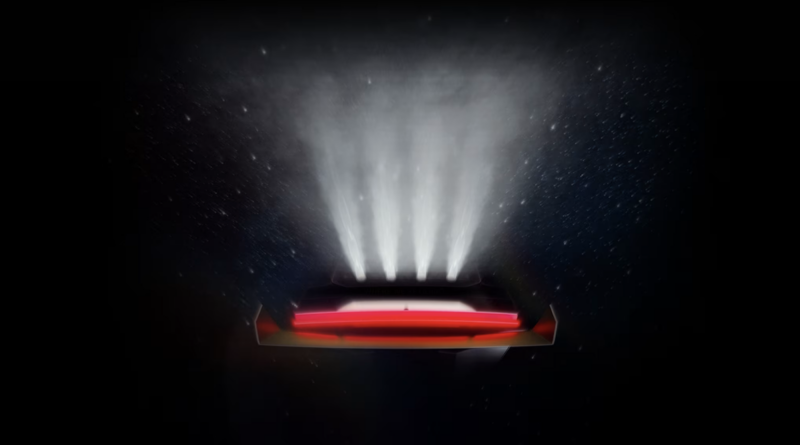
Achieving this velocity relies heavily on the optional SpaceX Thruster Package. By utilizing miniature cold-gas propulsion thrusters situated around the composite chassis, the engineering team introduces active pneumatic thrust. These composite tanks leverage compressed gas to significantly enhance cornering stability, tire contact patch friction, and high-G braking performance, effectively blending rocket physics with consumer electric propulsion.
Regulatory Scrutiny and Roadside Homologation Realities
Despite enthusiasm, the radical technical propositions have prompted intense debate within regulatory circles. Transportation authorities, including the National Highway Traffic Safety Administration (NHTSA), enforce stringent standards regarding pedestrian impact protection, noise emission tolerances, and pressurized vessel containment on public thoroughfares.
Tonight's presentation serves as a critical test of practical execution. The automotive community is eager to discover whether these thruster components will be designated exclusively for closed-course track racing, or if Tesla has achieved an unprecedented homologation breakthrough that satisfies street-legal road requirements. Regardless of the outcome, this historic unveil redefines the future of zero-emission hypercars.

Fadi Q
News writer and editor at Madar24, contributing to the preparation and editing of news and articles and the publication of digital content, with a focus on presenting clear, accurate, and up-to-date information to readers.
All articles by this authorRelated articles
Speed radar in Germany nabs reckless driver clocked at 151 km/h on highway B90
German traffic police apprehend a motorist traveling at 151 km/h on rural B90 alongside 63 other speeders during an intensive enforcement sweep.
Porsche Mission S Concept Rejects Screens and Full Electrification
Porsche AG has officially revealed the Mission S, a breathtaking mid-engine supercar concept powered by a high-revving combustion powertrain, analog dials, and zero touchscreens.
Ford Electric Pickup: Why Used F-150 Lightning Sales Boomed at 50% Off
A remarkable automotive market paradox: Ford canceled the F-150 Lightning over production losses, only to see used models become the fastest-selling trucks at $40,000.