El Niño Paradox in Argentina: Record Ocean Heat and Crops Threat
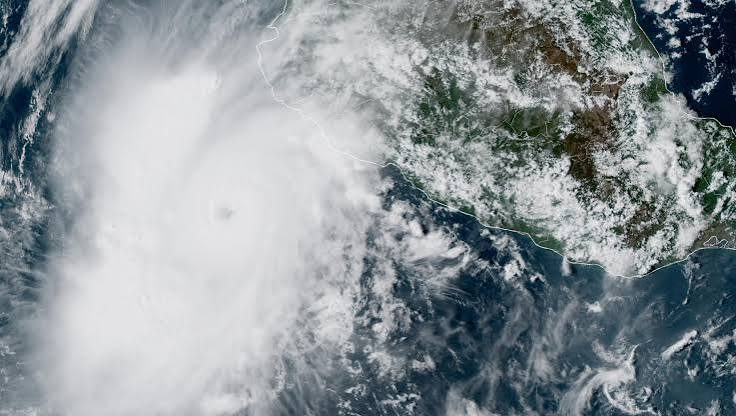
South America is currently facing an unprecedented environmental puzzle as the El Niño phenomenon unfolds with contradictory dynamics across the Southern Cone.
While global scientific bodies and marine monitoring systems confirm sea surface temperature anomalies between 2.2°C and 2.7°C above historical baselines in the equatorial Pacific, rainfall has remarkably failed to materialize across the primary agricultural lands of Argentina, leaving meteorologists and growers in state of disbelief.
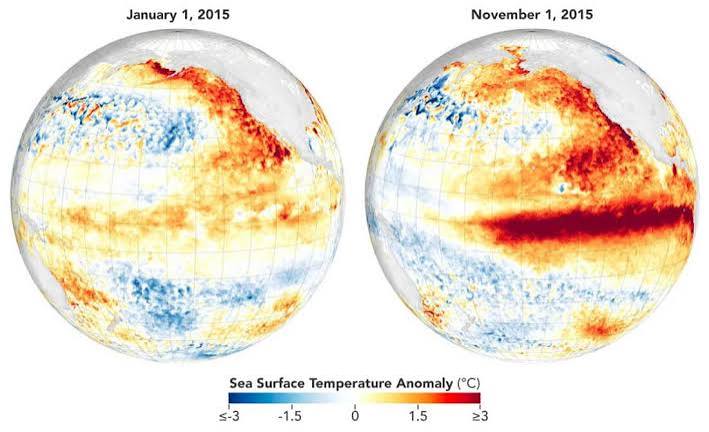
The Pacific Paradox: Marine Heat vs. Inland Aridity
According to reports issued by the Rosario Grain Exchange (BCR) and covered by premier Argentine news outlets including La Nación, the spring season began with accumulated precipitation levels trailing well behind historical medians across the heart of the productive agricultural belt (Zona Núcleo). Although early agro-climatic projections counted on El Niño to replenish exhausted soil water reserves following years of protracted dry conditions, the atmosphere has shown sluggish coupling, forcing analysts to slash early soil moisture recovery estimates.
Official Alerts and Provincial Contingency Measures
Conversely, seasonal outlooks provided by the Argentine National Meteorological Service (SMN) suggest a dramatic shift during the fourth quarter (covering October, November, and December). Projections assign greater than 55% probabilities to above-average cumulative rainfall across northeastern provinces along the Littoral and central farming corridors.
In light of these looming threats, regional authorities in the province of Córdoba have enacted emergency hydrological observation systems. Their objective is to monitor river basin flows and mitigate torrential flood risks that could quickly submerge lowland crops and damage transport infrastructure.
Global Supply Chains and Market Implications
Because Argentina ranks among the foremost global exporters of soymeal, soybean oil, and corn, the erratic weather cycle carries profound macroeconomic ramifications. An abrupt alternation from agricultural moisture deficits to catastrophic flooding could substantially curtail harvest yield prospects, escalating volatility throughout global commodity exchanges and reinforcing inflationary pressures on worldwide food supplies.

Fadi Q
News writer and editor at Madar24, contributing to the preparation and editing of news and articles and the publication of digital content, with a focus on presenting clear, accurate, and up-to-date information to readers.
All articles by this authorRelated articles


Ramadan Alcohol Ban in Egypt Lawsuit Verdict Set for Nov 28
Egypt's State Council Administrative Judiciary Court sets November 28, 2026, for the final ruling on the lawsuit challenging seasonal Ramadan alcohol restrictions and venue closures.
Queensland Flash Flooding and Rare Supercells Threaten Australia
Catastrophic rainfall triggers flash floods in Queensland while severe supercell storms expand across eastern Australia, prompting SES rescues.