Smart Agriculture Gulf: Modern Irrigation & Water Saving Tech
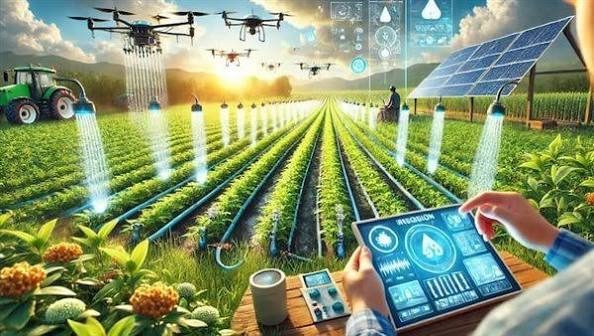
Adopting smart agriculture Gulf
systems has become an existential imperative and a cornerstone of long-term sustainable development across the GCC. Operating agricultural ventures in hyper-arid environments involves overcoming extreme ambient temperatures, scarce natural freshwater reserves, and highly porous sandy soils that suffer from rapid water percolation and nutrient leaching. By merging advanced agronomic engineering with automation, farmers can transition from resource-depleting open fields to high-efficiency production hubs.
Precision Irrigation: Delivering Water Straight to the Roots
Eliminating the massive evaporation losses associated with legacy flood irrigation is the primary goal of modern water stewardship in the Arabian Peninsula:
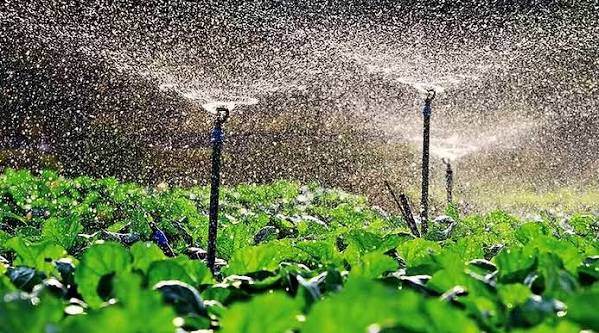
- Subsurface Drip Irrigation (SDI): Drip emitters installed beneath the soil crust supply water and dissolved nutrients directly to the root zone. Shielded from solar exposure and scorching winds, SDI slashes evaporative losses by over 40% compared to standard surface drip networks.
- High-Frequency Pulse Scheduling: Rather than saturating the soil with a single flood cycle, automated valves deliver short, measured hydration pulses throughout peak heat periods. This technique preserves moisture within root-accessible layers without losing liquid to deep aquifers.
Controlled Environment Agriculture: Smart Greenhouses & Hydroponics
Engineered structures protect sensitive crops from heat stress while creating closed-loop recycling loops:
- Evaporative Cooling and Water Condensation Recovery: Specialized wet-pad mechanisms reduce indoor temperatures by 10°C to 15°C, while integrated dehumidification arrays capture plant transpiration moisture and redirect it into secondary irrigation reserves.
- Soil-less Closed Hydroponics: Cultivating crops in inert media with recirculating nutrient mixtures slashes overall water consumption by up to 90%, speeding up crop maturation cycles for staple greenhouse produce such as vine tomatoes and cucumbers.
Data-Driven Decision Making via IoT Telemetry
Modern irrigation schedules are no longer determined by guesswork. High-precision volumetric soil moisture probes and automated micro-weather stations transmit real-time agro-climatic readings to central controllers. Automated solenoids activate only when root moisture drops beneath designated agronomic thresholds, cutting energy overheads and maximizing every cubic meter of water.
Investing in smart agriculture Gulf practices is a proven pathway toward self-reliance, insulating national supply chains and safeguarding valuable ground aquifers for future generations.

Fadi Q
News writer and editor at Madar24, contributing to the preparation and editing of news and articles and the publication of digital content, with a focus on presenting clear, accurate, and up-to-date information to readers.
All articles by this authorRelated articles
Winter Time in Germany and Europe: Clocks Fall Back Tonight
Clocks turn back one hour tonight across Germany and Europe, marking the transition to standard winter time with key biological and circadian insights.

Kehlsteinhaus Fire: Historic Eagles Nest Destroyed
A historic catastrophe struck Bavaria as the catastrophic Kehlsteinhaus fire largely destroyed the world-renowned Eagle's Nest outpost, prompting Bavarian police to apprehend a fleeing arson suspect.

UFC 333 Abu Dhabi: Volkanovski vs Evloev Fight Preview
Complete guide to UFC 333 at Etihad Arena featuring Alexander Volkanovski defending his title against unbeaten Movsar Evloev and Yan vs Dvalishvili 3.