The Truth Behind Russia's Plague Outbreak Today: Lab Leak Quarantines 200 People as US Steps In — What Really Happened?
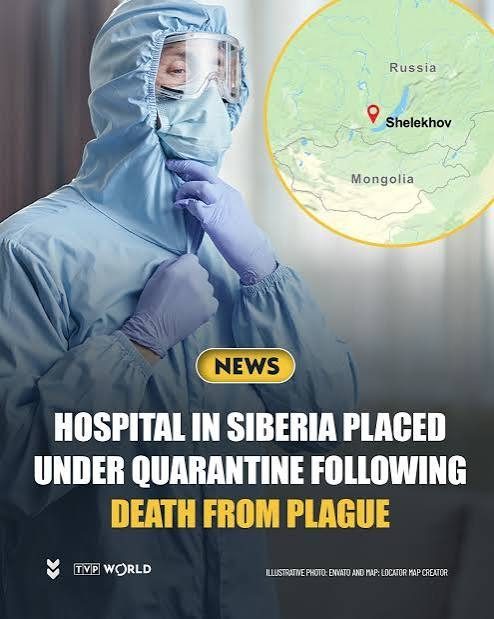
Laboratory Tragedy Sparks Health Emergency
A state of heightened alert has gripped the Irkutsk region of Siberia following the tragic death of a 28-year-old research worker at the Anti-Plague Research Institute. The researcher succumbed to severe pneumonic plague after an accidental breach occurred during the handling of live pathogens inside the high-containment biological facility.
The Laboratory Incident and Immediate Consequences
According to regional health bulletins and international press reports, the fatal exposure took place while the researcher was working with live cultures of Yersinia pestis, the causative agent of the historic "Black Death." A glass test tube containing the concentrated bacterial culture shattered unexpectedly. Despite biological safety measures, the researcher inhaled aerosolized particles released by the breakage.
Shortly after the incident, the young scientist experienced an aggressive onset of respiratory symptoms and acute physical decline. She was admitted to the regional hospital in the town of Shelekhov, where her condition deteriorated rapidly, necessitating mechanical ventilation in the intensive care unit. Despite medical intervention, the virulence of the pathogen proved fatal.
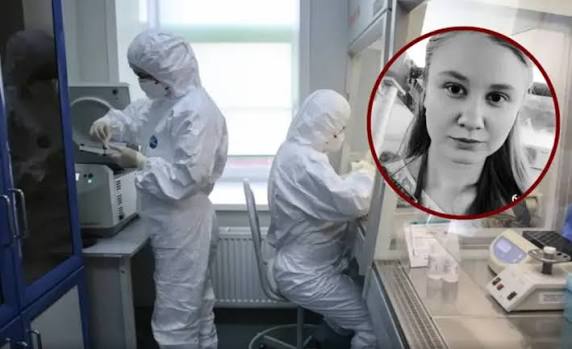
Extensive Quarantine of Nearly 200 Contacts
In response to the confirmed diagnosis, Russia's consumer health regulator, Rospotrebnadzor, immediately enacted strict pandemic-style protocols. The entire municipal hospital in Shelekhov was placed under lockdown, isolating approximately 200 individuals, including physicians, nurses, fellow patients, and immediate personal contacts of the deceased.
Prophylactic broad-spectrum antibiotics were promptly administered to all quarantined individuals to prevent secondary transmission. Because the pulmonary form of the disease can propagate through airborne respiratory droplets during close contact, swift isolation remains paramount to containing potential community spread.
Epidemiological Risk of Pneumonic Plague
While bubonic plague is typically acquired through the bites of infected fleas, pneumonic plague represents the most lethal and aggressive clinical manifestation of the disease. It affects the pulmonary system directly and possesses the capacity for human-to-human transmission via infectious droplets. Untreated, the case-fatality rate approaches 100%, emphasizing the critical necessity of administering antibacterial therapy within the initial 24 hours of symptomatic presentation.
Government Assurances and Disinfection Operations
The regional governor of Irkutsk urged the public to remain calm and avoid speculative panic, confirming that all preliminary diagnostic tests conducted on the quarantined cohort have returned negative. Specialized biological defense teams have decontaminated the laboratory facility and hospital wards, ensuring that the containment perimeter remains fully secure.

Fadi Q
News writer and editor at Madar24, contributing to the preparation and editing of news and articles and the publication of digital content, with a focus on presenting clear, accurate, and up-to-date information to readers.
All articles by this authorRelated articles
Measles Exposure in Georgia: Urgent Health Alert for Patrons
Georgia DPH issues an urgent epidemiological alert after a confirmed measles case visited a LongHorn Steakhouse in Perry, urging symptom checks through Oct 28.

Neonatal Herpes Warning: Baby Dies from Cold Sore Infection (BBC Report)
A tragic UK case highlights the fatal danger of neonatal herpes and cold sores in newborns, detailing crucial pediatric warnings and strict infection prevention guidelines.

Dr Rachna Shroff Renowned Cancer Pioneer Dies at 47
The medical community mourns Dr. Rachna Shroff, a world-class oncology scientist who tragically passed away at 47 from the gastrointestinal cancer she fought to cure.