Residential Solar Panels: Complete Home Installation & Cost Guide
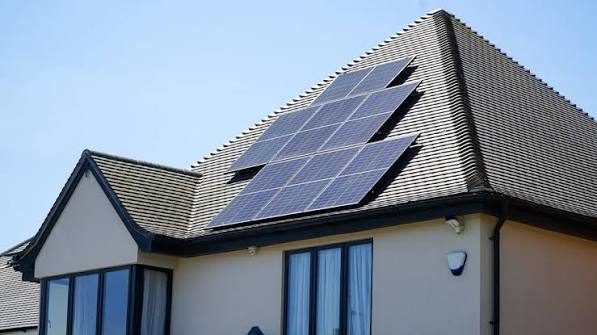
Investing in residential solar panels has become one of the most reliable strategies for homeowners aiming to reduce long-term utility expenses while securing a clean and independent source of power. Continuous engineering breakthroughs in photovoltaic efficiency and home battery storage now allow modern households to meet a substantial portion of their daily electrical consumption reliably.
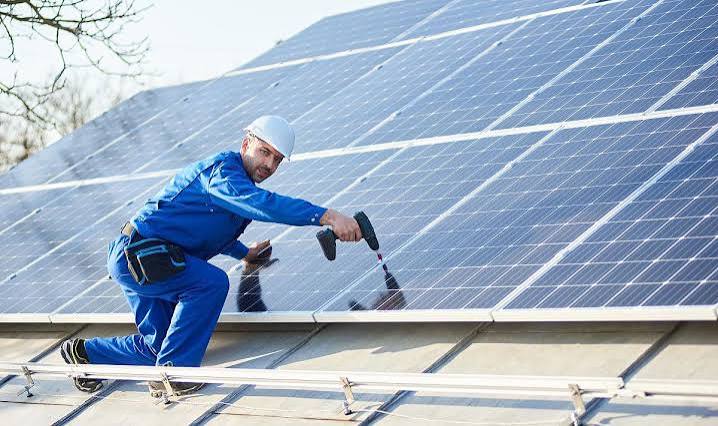
How Do Solar Panel Systems Operate?
Solar power systems operate primarily through the photovoltaic effect. When direct sunlight contacts silicon semiconductor cells, incoming photons excite electrons, producing a continuous stream of direct current (DC) electricity.
Because municipal transmission networks and modern residential circuits run entirely on alternating current (AC), the solar inverter functions as the essential brain of the installation. It continuously converts and conditions this direct current into synchronized alternating current that perfectly matches domestic line voltage.
A standard residential solar setup incorporates several core components:
- Photovoltaic Modules: Capture incident solar irradiance and generate clean direct current.
- Central or Micro-Inverters: Convert DC power into standard household AC power while tracking peak system output.
- Balance of System (BOS): Heavy-duty circuit breakers, lightning arrestors, safety shutoff switches, and conduit wiring.
- Mounting Racks and Railings: Secure panels firmly against extreme wind loads at optimized tilt angles.
- Energy Storage Banks (Optional): Retain daytime generation surplus for nocturnal usage or blackout emergencies.
Core Architectural Configurations: Grid-Tied, Off-Grid, and Hybrid
Homeowners can select from three primary configurations based on their location, energy goals, and budgetary scope:
- Grid-Tied (On-Grid) Systems: This is the most popular and economical configuration available. The system stays connected to the central utility grid, drawing supplementary power whenever consumption exceeds solar production. It eliminates the need for expensive battery banks, minimizing upfront capital investment and delivering the quickest return on investment. However, as a standard safety requirement to prevent backfeeding dangerous currents during municipal repairs, grid-tied systems shut down automatically during utility blackouts.
- Off-Grid (Standalone) Systems: Operating in complete isolation from the public grid, an off-grid installation relies entirely on an integrated battery bank and dedicated charge controllers. Because energy must be available around the clock, dedicated storage is mandatory to sustain critical circuits through the night and prolonged overcast weather. Although this setup provides complete energy sovereignty, the high upfront cost of battery reserves and recurring replacement lifecycles significantly increase overall expenditure. It remains the ideal solution for remote cabins, farms, and rural properties lacking dependable electrical infrastructure.
- Hybrid Solar Systems: A hybrid configuration bridges both methodologies by remaining connected to the municipal grid while incorporating an intelligent battery bank. Under normal operating conditions, it balances grid power and solar production seamlessly, but during a utility outage, it instantly switches critical household loads over to battery reserves. While offering maximum operational resilience, hybrid setups carry the highest initial equipment and installation costs.
Essential Factors Determining System Efficiency
- Solar Insolation & Shading: Energy yield depends on true solar irradiance rather than broad daylight hours alone. Persistent shading from trees, chimneys, or adjacent structures can significantly reduce string output.
- Tilt Calibration and Azimuth: In the Northern Hemisphere, south-facing installations positioned at an angle proportional to the local latitude yield maximum annual kilowatt-hours.
- Thermal Coefficient Dynamics: Photovoltaic cell efficiency diminishes under extreme heat; selecting modules with low negative temperature coefficients and ensuring bottom-side ventilation mitigates thermal loss.
- Inverter Matching and Sizing: Properly sizing the inverter capacity against the DC array wattage prevents power clipping during peak midday generation hours.
- Routine Preventative Upkeep: Periodically rinsing accumulated dust with soft water and performing basic visual inspections on cabling preserves peak operational performance.
Capital Expenditure and Payback Horizon
A realistic budget incorporates the solar modules, electrical inverters, structural racking, disconnect gear, municipal permits, and professional installation labor.
Most homeowners achieve complete capital recovery within 5 to 8 years through cumulative reductions in monthly electricity bills. With manufacturer performance warranties standardly guaranteeing 80% to 85% output retention over 20 to 25 years, going solar represents a durable and economically advantageous clean technology transition.

Fadi Q
News writer and editor at Madar24, contributing to the preparation and editing of news and articles and the publication of digital content, with a focus on presenting clear, accurate, and up-to-date information to readers.
All articles by this authorRelated articles

BioWare studio closure and 400 staff layoffs confirmed by EA
Electronic Arts officially shuts down BioWare and cuts 400 jobs to reduce overhead costs, casting severe doubts on the future of Mass Effect and Dragon Age.

Critical PHP security flaw triggers emergency government shutdowns
A critical PHP security flaw discovered by OpenAI sparks emergency server shutdowns across government agencies as global tech leaders deploy rapid fixes.

Nintendo Switch 2 Zelda Demand Sparks Official Restock
Nintendo officially concedes it underestimated consumer demand for the Zelda 40th Anniversary Switch 2 edition, confirming fresh retail restocks are underway.