Remnants of Storm Rachel Batter California and Flood Las Vegas
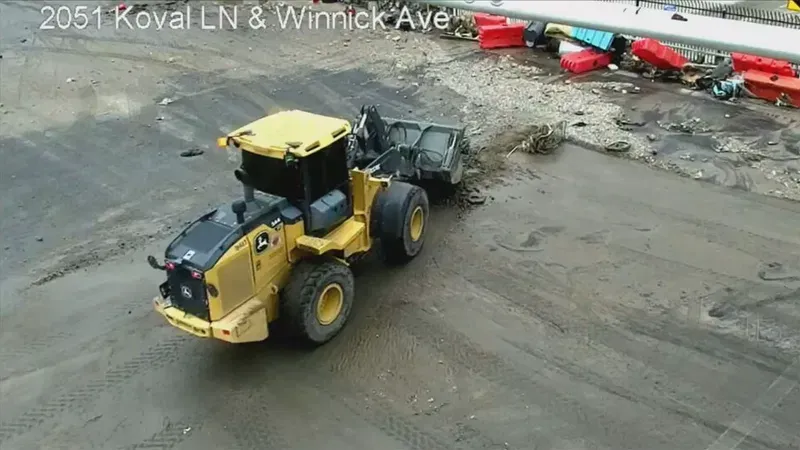
The remnants of Storm Rachel have triggered extensive emergency responses across the Southwestern United States, unleashing destructive maritime hazards along coastal zones and catastrophic flash floods across desert urban centers. The deep influx of tropical moisture into typically arid environments overwhelmed drainage networks and coastal defenses, creating significant localized infrastructure damage and prompting immediate safety advisories from regional authorities.
Massive Ocean Swells Batter Southern California Beach Communities
According to comprehensive reporting by The New York Times, long-period ocean swells pushed northward by Rachel generated breaking waves reaching heights between 15 and 20 feet. These colossal waves breached protective seawalls and overtopped sand barriers, inundating beachfront patios and residential structures in Orange, Ventura, and Los Angeles counties.
First responders and local lifeguards acted swiftly to enforce coastal closures, warning the public against perilous rip currents capable of pulling swimmers into deep water. Residents worked diligently alongside emergency teams, deploying sandbags along perimeter walls to mitigate structural damage from high-energy tidal surges and sediment accumulation.
Torrential Downpours Cause Flash Flooding Along Las Vegas Corridors
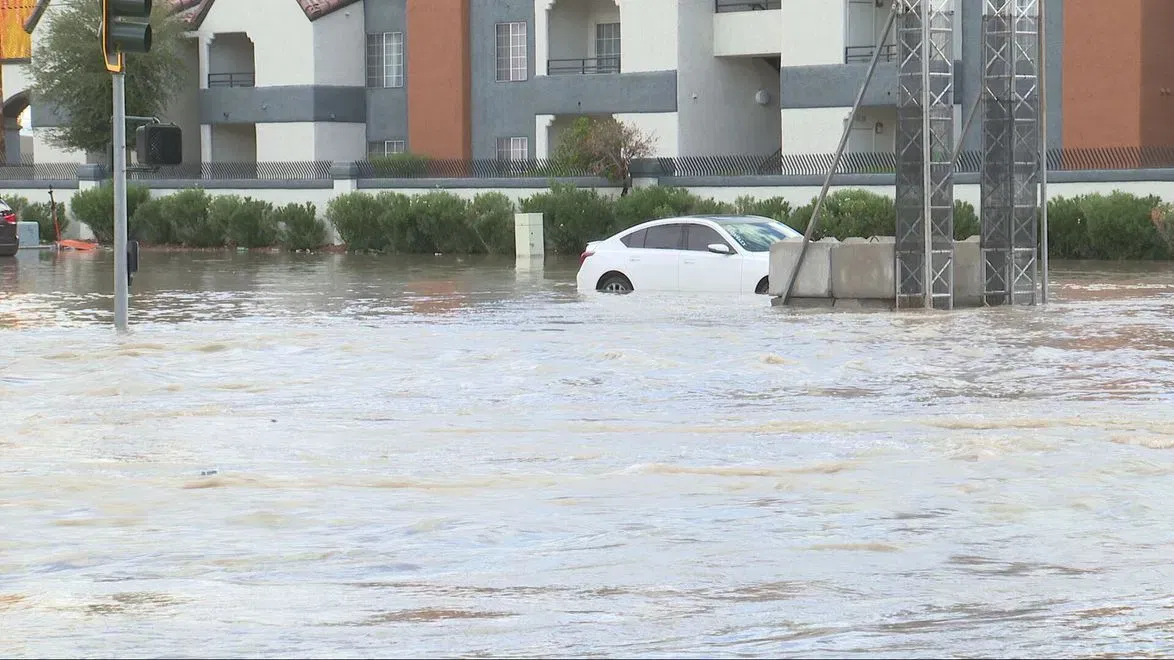
Simultaneously, the tropical atmospheric system surged inland across the Mojave Desert, producing severe downpours that submerged parts of southern Nevada. Broadcast updates from KSNV documented widespread localized flooding throughout the Las Vegas Valley, with water accumulating rapidly along major thoroughfares near the famous Las Vegas Strip.
The rapid runoff overwhelmed storm channels, trapping multiple vehicles in low-lying intersections and underpasses. Swift-water rescue teams carried out operations to extract stranded drivers safely. Heavy machinery and civil defense crews were deployed across the city to clear debris, mud deposits, and obstructed drains to restore safe transportation flows.
Post-Storm Meteorological Whiplash and Wildfire Risks
Environmental scientists and forecasters cited by the Los Angeles Times cautioned that the storm’s clearance introduces a concerning secondary threat known as "weather whiplash". As tropical moisture departs, atmospheric pressure shifts are anticipated to bring brisk, offshore desert winds—frequently referred to as the Santa Ana winds.
These desiccating wind patterns rapidly dry out nascent brush and dense vegetation that grew during recent precipitation. Within days, dried organic vegetation can turn into combustible fuel, sharply escalating the danger of autumnal wildfires across hillsides and canyons.
Safety Directives and Preparedness Protocols
Municipal authorities continue urging residents to practice defensive travel and heed emergency broadcast warnings. Drivers are strictly advised to avoid flooded roads and submerged underpasses, as swift water poses life-threatening hazards even at minimal depths. Coastal residents must remain vigilant regarding fluctuating tides until marine advisories are officially lifted by the National Weather Service.

Fadi Q
News writer and editor at Madar24, contributing to the preparation and editing of news and articles and the publication of digital content, with a focus on presenting clear, accurate, and up-to-date information to readers.
All articles by this authorRelated articles

أسعار الشوكولاتة في ألمانيا تقلب الموازين بين ليندت وميلكا
An unprecedented market paradox hits retail shelves as premium Lindt bars retail below mass-market Milka, prompting immediate executive consequences.
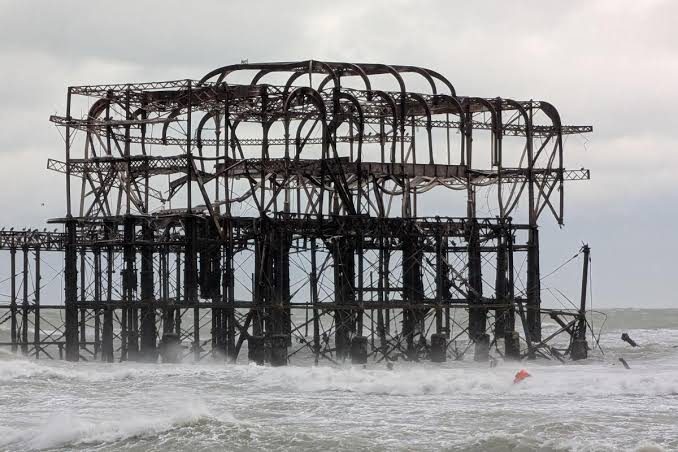
Brighton West Pier Collapse Following Destructive Gales of Storm Austen
High winds and violent waves from Storm Austen trigger structural collapse at the Grade I listed Brighton West Pier along England's southern coastline.