Massive Meat Recall: False Inspection Labels Spark Outrage
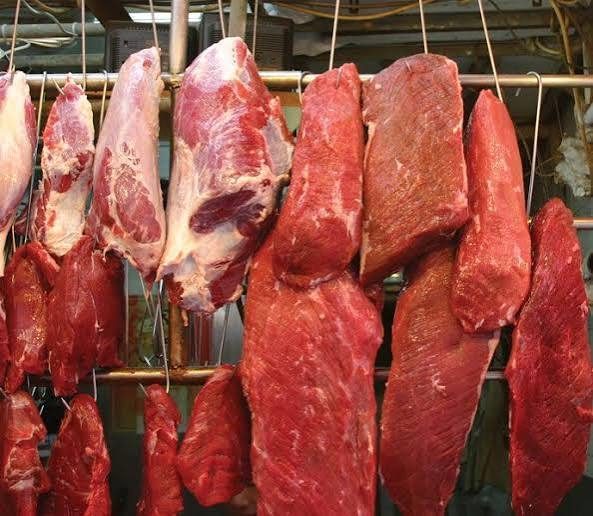
Massive Meat Recall: Thousands of Pounds Pulled Over Fake
Unlicensed operations and forged USDA inspection stamps lead to a nationwide recall. Learn how to verify meat freshness.
Food safety authorities have initiated a massive meat recall after discovering that thousands of pounds of meat products were distributed using forged government inspection marks, including counterfeit USDA labels. The enforcement action follows a multi-agency investigation uncovering facilities operating without mandatory federal oversight, bypassing sanitary regulations and inspection protocols for years.
Investigation Details and Market Distribution
According to official advisories, unauthorized processors produced and packaged various meat and poultry products bearing fake establishment numbers. These counterfeit labels falsely assured retail outlets and restaurants that the goods met strict sanitary and inspection criteria.
Federal inspectors stressed that meat processed outside inspected environments poses severe food safety hazards, including exposure to harmful pathogens such as Salmonella, Listeria monocytogenes, and E. coli. Regulatory agencies coordinated immediately with wholesale distributors and supermarkets to pull all affected batches from store shelves. Officials strongly advise consumers and food-service operators to review establishment codes and return or discard recalled inventory immediately.
Essential Guidelines: How to Spot Spoiled or Compromised Meat
While packaging defects and false stamps require regulatory cross-referencing, shoppers can identify spoilage through primary sensory indicators:
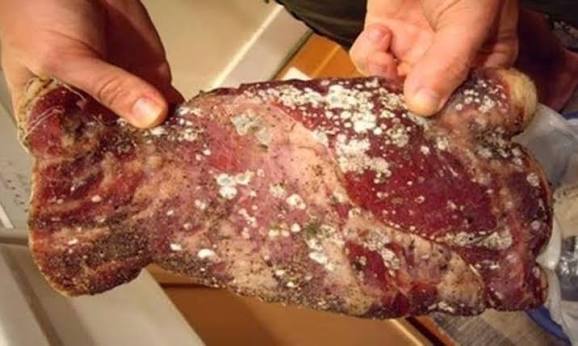
- Color Variation: Healthy, fresh beef typically exhibits a bright red or deep purplish hue. Meat showing dull grey, green, or brown discoloration indicates exposure to air, enzymatic breakdown, or bacterial contamination.
- Texture and Firmness: Fresh cuts should feel firm and spring back under gentle pressure. A slimy, sticky, or unusually soft texture is a definitive sign of microbial proliferation.
- Odor Profile: Raw meat possesses a very mild aroma. Sour, pungent, ammonia-like, or putrid smells indicate that bacterial decomposition has begun, rendering the product unsafe regardless of thorough cooking.
- Packaging Integrity: Avoid containers showing abnormal bloating, torn seals, or excess crystallized freezer burn, as these compromise sterility and accelerate decay.
Consumers are encouraged to purchase meat products exclusively from reputable retailers and consult verified agency recall directories whenever an alert is active.

Fadi Q
News writer and editor at Madar24, contributing to the preparation and editing of news and articles and the publication of digital content, with a focus on presenting clear, accurate, and up-to-date information to readers.
All articles by this authorRelated articles
Measles Exposure in Georgia: Urgent Health Alert for Patrons
Georgia DPH issues an urgent epidemiological alert after a confirmed measles case visited a LongHorn Steakhouse in Perry, urging symptom checks through Oct 28.

Neonatal Herpes Warning: Baby Dies from Cold Sore Infection (BBC Report)
A tragic UK case highlights the fatal danger of neonatal herpes and cold sores in newborns, detailing crucial pediatric warnings and strict infection prevention guidelines.

Dr Rachna Shroff Renowned Cancer Pioneer Dies at 47
The medical community mourns Dr. Rachna Shroff, a world-class oncology scientist who tragically passed away at 47 from the gastrointestinal cancer she fought to cure.