Gulf Stock Markets Drop: Investor Anxiety, Trade, and Energy
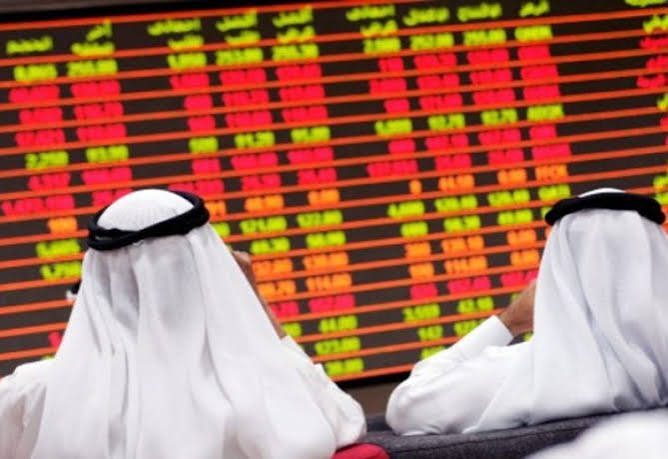
A notable sell-off wave swept through regional trading floors, as the recent Gulf stock markets drop signaled mounting caution among both institutional and retail participants navigating heightened geopolitical uncertainties. Financial analysts emphasize that this broad retreat across major GCC exchanges was not triggered by internal corporate vulnerabilities, but rather by an immediate re-pricing of external operational and transit risks, as highlighted by Reuters market intelligence.
Rising Geopolitical Risk Premium and Maritime Corridors
The primary catalyst behind the recent downturn centers on the expansion of the geopolitical risk premium across regional asset classes. As cross-border friction escalated, fund managers increasingly factored in potential interruptions along critical maritime corridors and key shipping routes across the Arabian Gulf.
Any perceived friction in international transit lanes does not solely jeopardize energy shipments; it instantaneously elevates marine insurance premiums and operational freight expenses for commercial fleets. Consequently, industrial conglomerates and major trading companies listed across regional bourses face near-term margin pressure, prompting asset managers to lock in profits and scale back aggressive equity allocations in high-beta securities.

The Crude Paradox and Flight to Liquidity
Traditionally, resilient crude oil benchmarks and elevated Brent prices serve as immediate tailwinds for regional fiscal balances and public spending programs. However, trading desks witnessed a distinct divergence: energy gains were overshadowed by heightened logistical anxieties.
Rather than committing fresh capital to equities, market participants exhibited a pronounced flight to liquidity, shifting substantial portions of their portfolios into cash positions, short-term sovereign paper, and safe-haven instruments. This defensive behavior reflects standard capital preservation tactics during phases of acute regional tension, where visibility regarding supply chains and port operations remains momentarily constrained.
Structural Resilience Versus Short-Term Volatility
Despite the immediate headwinds, macroeconomic indicators across the GCC remain sound. Banking sectors in Saudi Arabia, the UAE, Qatar, and neighboring states continue to demonstrate strong balance sheets, healthy capitalization ratios, and disciplined provisioning. Furthermore, multi-year sovereign economic diversification initiatives provide a firm floor against protracted economic scarring,
In conclusion, the current downturn is widely viewed by institutional strategists as an emotional and tactical reassessment of near-term risks. Sustainable stabilization and the resurgence of foreign portfolio inflows will largely depend on de-escalating tensions, securing maritime trade stability, and re-establishing long-term risk appetite.

Fadi Q
News writer and editor at Madar24, contributing to the preparation and editing of news and articles and the publication of digital content, with a focus on presenting clear, accurate, and up-to-date information to readers.
All articles by this authorRelated articles

أسعار الشوكولاتة في ألمانيا تقلب الموازين بين ليندت وميلكا
An unprecedented market paradox hits retail shelves as premium Lindt bars retail below mass-market Milka, prompting immediate executive consequences.
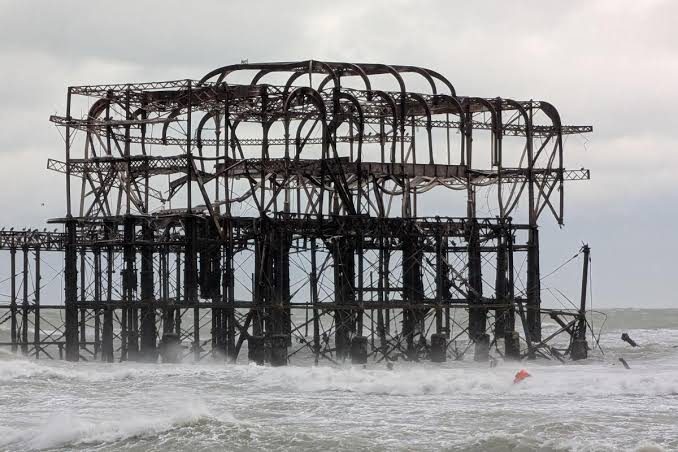
Brighton West Pier Collapse Following Destructive Gales of Storm Austen
High winds and violent waves from Storm Austen trigger structural collapse at the Grade I listed Brighton West Pier along England's southern coastline.