German Neighbour Disputes: Court Rejects Garage Demolition After 50 Years
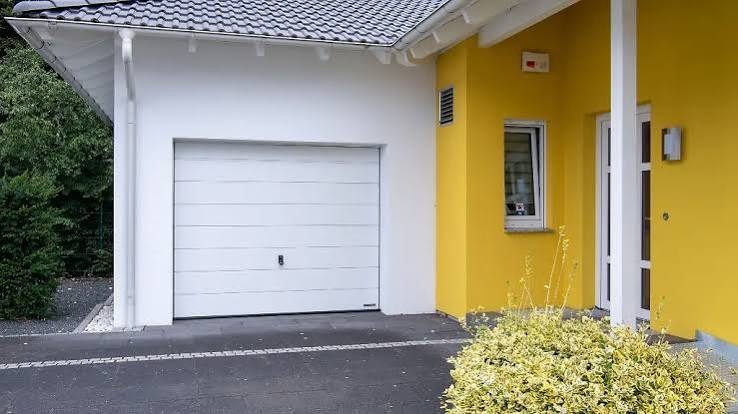
German Neighbour Disputes: Overheight Garage Ruling Details
The complex realm of German neighbour disputes has witnessed a major judicial benchmark that highlights the delicate balance between formal statutory planning rules and long-term passive acquiescence. In a widely discussed decision, the Higher Administrative Court of Lower Saxony (OVG Niedersachsen) firmly rejected a property owner's petition demanding the teardown of his neighbour's oversized garage, ruling that nearly five decades of uninterrupted silence had extinguished any defensible legal grounds for demolition.
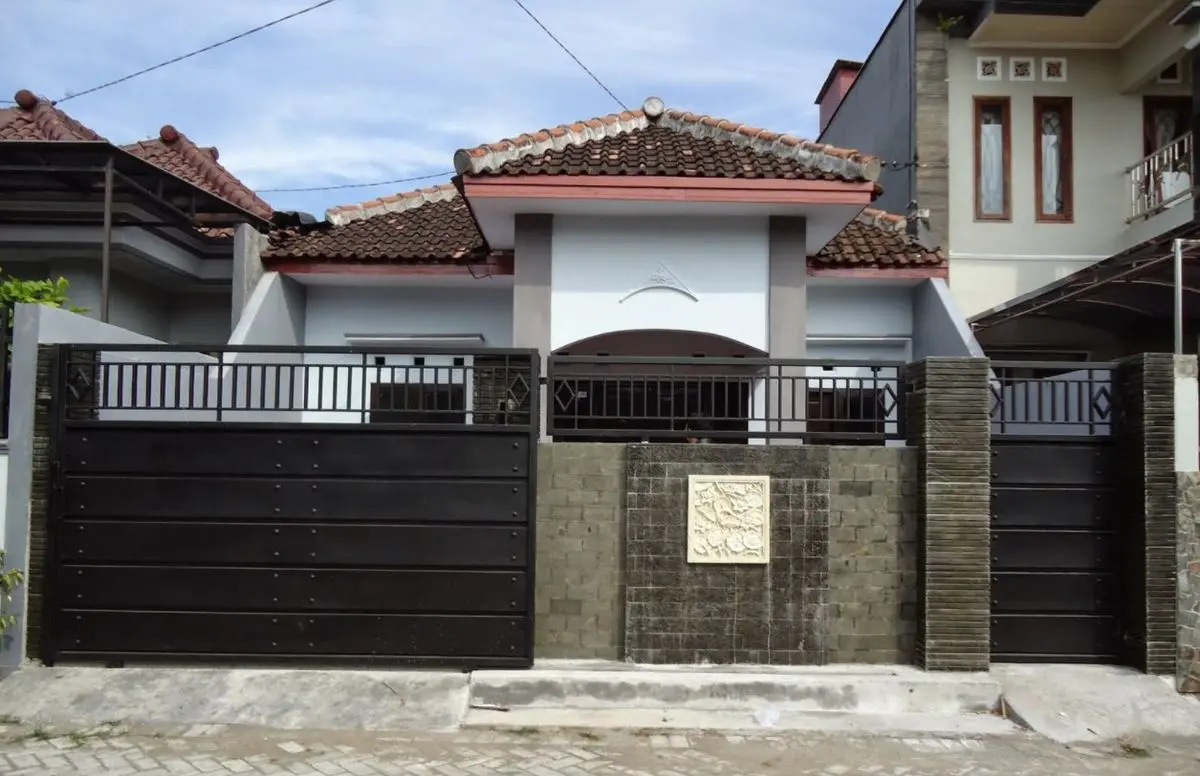
The 50-Year Conflict Over an Overheight Boundary Garage
According to reports published by n-tv.de and the regional Saarbrücker Zeitung, the litigation originated from a domestic garage structure built approximately 50 years ago. Although the building visibly exceeded permissible height allowances set forth in regional municipal building codes, the adjacent landowner took no formal administrative or legal steps to contest the violation at the time of construction.
For half a century, both parties resided side-by-side without any formal complaints filed with local building control departments. However, decades later, the complainant unexpectedly initiated formal court proceedings, demanding that municipal authorities step in and order the immediate and total removal of the offending garage structure.
The Legal Doctrine of Forfeiture (Verwirkung)
The presiding judicial panel dismissed the complainant’s claim, declaring that his statutory right of objection (Abwehrrecht) had been irreversibly forfeited under the German administrative doctrine of Verwirkung. The court held that extreme and sustained administrative inaction (Untätigkeit) spanning decades effectively precludes an individual from reviving claims that they previously chose to overlook.
The judges determined that a citizen cannot simply leave building disputes unaddressed across generational timeframes and subsequently demand drastic remedies. When a neighbour fails to act within reasonable temporal windows, legal rights dissipate, leaving public authorities with no justification to intervene against long-standing, established physical structures.
Legitimate Expectations and the Principle of Good Faith
A cornerstone of the court’s rationale was the fundamental legal concept of protecting legitimate expectations (Vertrauensschutz). The tribunal noted that the garage owner had formed deep, legitimate reliance over the span of 50 years, reasonably believing that the neighbouring household had accepted the physical presence and height of the structure.
Ordering a forced demolition after half a century would not only inflict disproportionate financial and structural hardship on the builder, but it would also violate the overarching principles of good faith (Treu und Glauben). Consequently, the judicial panel ruled that stability in neighbourly coexistence must take precedence over strict technical compliance that was neglected for five decades.
Key Takeaways for Homeowners and Property Investors
This landmark verdict sends a clear message across the residential real estate market: if you discover an encroaching structure or zoning breach, you must register formal objections promptly through official channels. To understand your options under German civil and administrative statutes,
Remaining passive in the face of local building infractions does not preserve your options; rather, extended tolerance legally transforms non-compliant installations into permanently protected structures under the authority of judicial precedent.

Fadi Q
News writer and editor at Madar24, contributing to the preparation and editing of news and articles and the publication of digital content, with a focus on presenting clear, accurate, and up-to-date information to readers.
All articles by this authorRelated articles

Winter Time in Germany and Europe: Clocks Fall Back Tonight
Clocks turn back one hour tonight across Germany and Europe, marking the transition to standard winter time with key biological and circadian insights.

Kehlsteinhaus Fire: Historic Eagles Nest Destroyed
A historic catastrophe struck Bavaria as the catastrophic Kehlsteinhaus fire largely destroyed the world-renowned Eagle's Nest outpost, prompting Bavarian police to apprehend a fleeing arson suspect.

UFC 333 Abu Dhabi: Volkanovski vs Evloev Fight Preview
Complete guide to UFC 333 at Etihad Arena featuring Alexander Volkanovski defending his title against unbeaten Movsar Evloev and Yan vs Dvalishvili 3.