Washington Post Warns of Rare Outbreak: Florida Dengue Fever Emergency and Protection Guide
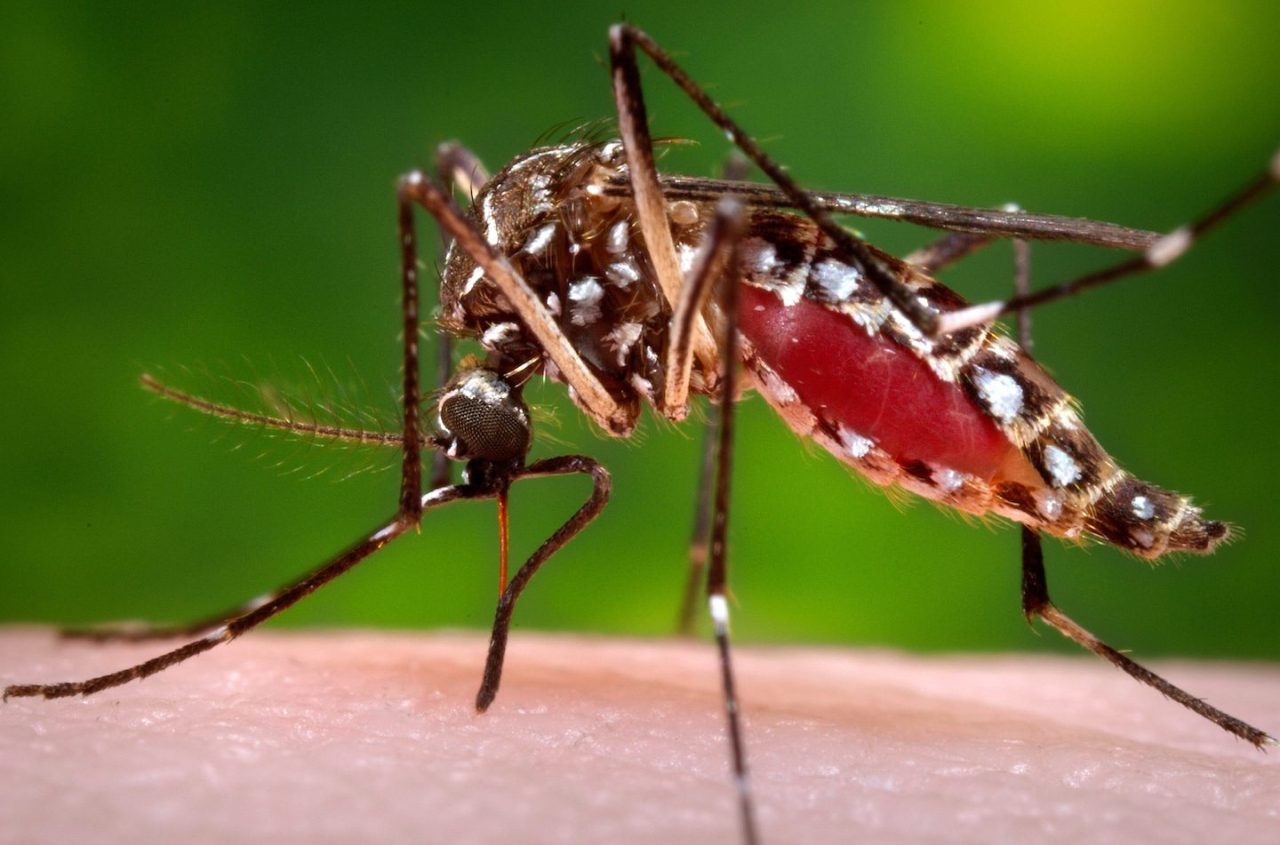
Washington Post Warns of Rare Outbreak: Florida Dengue Fever Emergency and Protection Guide
The Washington Post has issued an alarming public health alert, designating the ongoing surge in Florida dengue fever cases as "completely unusual." In response to the spike in mosquito-borne transmissions, health officials across multiple Florida counties have intensified surveillance protocols and issued advisory alerts to contain the viral spread.
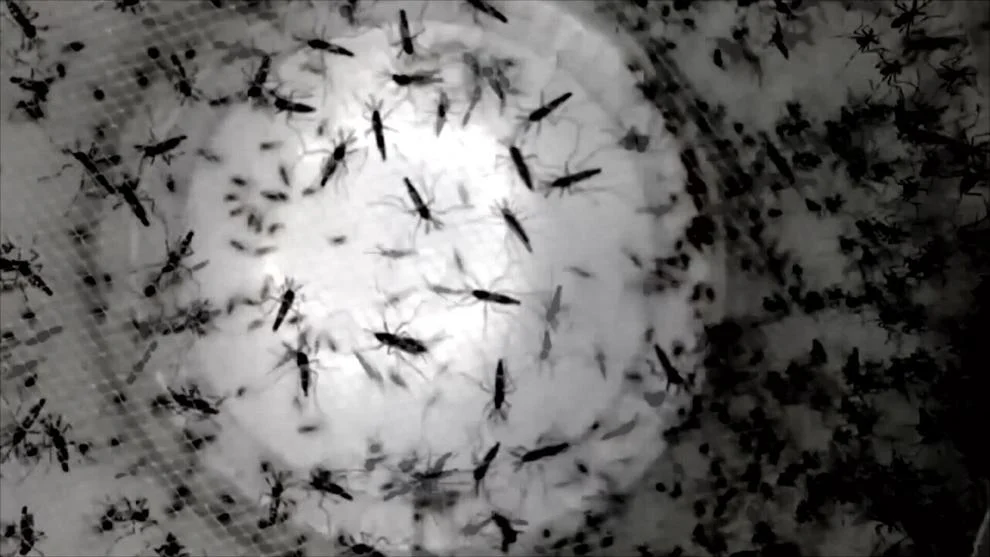
Historically, dengue cases diagnosed in the continental United States were predominantly travel-associated, contracted by individuals returning from endemic tropical zones. However, recent data highlights a troubling uptick in locally acquired transmissions. The primary vector responsible is the Aedes aegypti mosquito, a species well adapted to urban environments and capable of breeding in minuscule reservoirs of standing water.
Epidemiologists suggest that elevated global temperatures, prolonged rainy seasons, and fluctuating climatic patterns have extended the optimal transmission
Identifying Dengue Symptoms
Dengue virus infection often mimics severe influenza, typically manifesting 4 to 10 days following a bite from an infected vector. Common clinical symptoms include:
- Sudden high fever reaching critical levels.
- Pronounced retro-orbital pain (pain localized behind the eyes).
- Severe musculoskeletal distress, often referred to as "breakbone fever."
- Persistent nausea, vomiting, and debilitating fatigue.
- Mild skin rash appearing a few days after fever onset.
While the majority of patients recover with proper hydration and supportive medical care, severe dengue can develop rapidly, requiring urgent medical intervention to prevent internal plasma leaking and circulatory failure.
Proven Measures to Safeguard Against Mosquito Bites
Because there is no specific antiviral treatment for dengue, preventive defense remains the most effective intervention. Health departments recommend the following daily protective measures:
- Drain Standing Water Regularly: Inspect yards, flower pots, pet water dishes, birdbaths, and discarded tires at least once a week to eliminate viable breeding grounds.
- Apply EPA-Registered Insect Repellents: Utilize repellents formulated with certified active ingredients like DEET, Picaridin, or Oil of Lemon Eucalyptus (OLE) on exposed skin.
- Wear Protective Clothing: When spending time outdoors during peak mosquito feeding hours—predominantly around dawn and dusk—wear loose-fitting, light-colored, long-sleeved garments.
- Reinforce Home Screens: Ensure window and door screens are fully intact and securely installed to keep vectors outside living quarters.
Public cooperation and community-wide mosquito abatement are vital components in curbing vector proliferation and protecting vulnerable populations from localized viral outbreaks.

Fadi Q
News writer and editor at Madar24, contributing to the preparation and editing of news and articles and the publication of digital content, with a focus on presenting clear, accurate, and up-to-date information to readers.
All articles by this authorRelated articles
Measles Exposure in Georgia: Urgent Health Alert for Patrons
Georgia DPH issues an urgent epidemiological alert after a confirmed measles case visited a LongHorn Steakhouse in Perry, urging symptom checks through Oct 28.

Neonatal Herpes Warning: Baby Dies from Cold Sore Infection (BBC Report)
A tragic UK case highlights the fatal danger of neonatal herpes and cold sores in newborns, detailing crucial pediatric warnings and strict infection prevention guidelines.

Dr Rachna Shroff Renowned Cancer Pioneer Dies at 47
The medical community mourns Dr. Rachna Shroff, a world-class oncology scientist who tragically passed away at 47 from the gastrointestinal cancer she fought to cure.