FDA Warning: If You Take This Common Blood Pressure Medication, Check Your Bottle Right Now
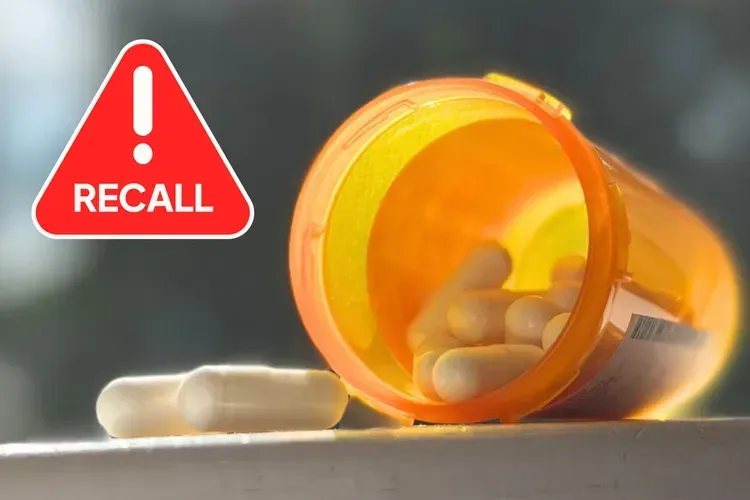
A critical alert concerning a major blood pressure medication recall has been confirmed by global healthcare regulators.
The U.S. Food and Drug Administration (FDA) has classified the recall of more than 13,000 bottles of the widely prescribed medication Chlorthalidone as a Class II action. Covered across prominent news outlets including The Hill, Health.com, and Good Housekeeping, this alert underscores significant quality control standards required for chronic disease therapies.
Chlorthalidone is a long-acting thiazide-like diuretic widely prescribed to treat high blood pressure (hypertension) and reduce fluid retention (edema) caused by heart or kidney failure. By aiding the kidneys in expelling excess salt and water through urination, it effectively lowers arterial tension. Maintaining steady blood pressure levels is crucial to minimizing long-term risks such as heart attacks, congestive heart failure, chronic kidney damage, and strokes.
Reason for the Recall: Understanding Dissolution Test Failures
According to the FDA classification, the primary trigger behind the recall was failed dissolution testing. In pharmaceutical manufacturing, dissolution testing verifies that a solid dosage form properly dissolves in digestive fluids, allowing the active therapeutic ingredient to be absorbed into the bloodstream within a specified time frame.
When a tablet fails dissolution criteria, the body may absorb an insufficient or erratic amount of the active compound. For hypertensive patients, suboptimal absorption means inadequate blood pressure control, which can leave individuals vulnerable to blood pressure spikes without noticeable warning signs.
Affected Lots and How to Verify Your Medication
The Class II recall involves 25 mg Chlorthalidone tablets manufactured by Inventia Healthcare Limited. Patients using this therapy should inspect their prescription containers immediately:
- Examine the side label of your prescription bottle.
- Locate the specific batch number (Lot Number) and printed expiration date.
- Contact your dispensing pharmacist immediately if the printed batch numbers match recalled batches or if the label is unreadable.
Medical Guidelines: Why Abrupt Discontinuation Is Dangerous
Cardiologists and healthcare professionals strongly advise against abruptly stopping prescription therapy without medical supervision. Suddenly halting blood pressure medication can trigger severe rebound hypertension, placing sudden and dangerous stress on the cardiovascular system. Patients should contact their prescribing doctor or dispensing pharmacy to secure a safe replacement batch without interrupting their daily treatment routine.
Conclusion and Community Discussion
Rigorous regulatory monitoring helps safeguard patient safety against sub-potent pharmaceuticals. Staying proactive and examining batch disclosures is an essential preventive habit for chronic therapy management.
Do you routinely check FDA recall notices and batch lot numbers on your prescription medications? Share your thoughts and experiences in the comments below!

Fadi Q
News writer and editor at Madar24, contributing to the preparation and editing of news and articles and the publication of digital content, with a focus on presenting clear, accurate, and up-to-date information to readers.
All articles by this authorRelated articles
Measles Exposure in Georgia: Urgent Health Alert for Patrons
Georgia DPH issues an urgent epidemiological alert after a confirmed measles case visited a LongHorn Steakhouse in Perry, urging symptom checks through Oct 28.

Neonatal Herpes Warning: Baby Dies from Cold Sore Infection (BBC Report)
A tragic UK case highlights the fatal danger of neonatal herpes and cold sores in newborns, detailing crucial pediatric warnings and strict infection prevention guidelines.

Dr Rachna Shroff Renowned Cancer Pioneer Dies at 47
The medical community mourns Dr. Rachna Shroff, a world-class oncology scientist who tragically passed away at 47 from the gastrointestinal cancer she fought to cure.