OpenAI dots: Next-Gen Autonomous AI Assistant Officially Launched
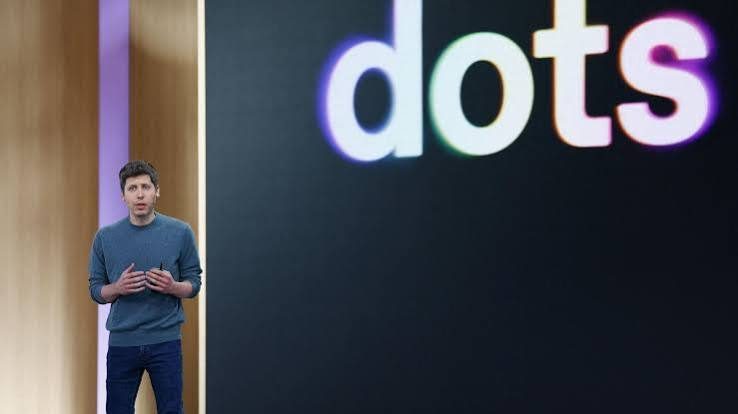
Moving beyond conversational chat: OpenAI's dots takes action, executes workflows, and challenges Meta in the autonomous agent era.
In what global tech analysts and media outlets like Reuters describe as a pivotal milestone, OpenAI has officially unveiled OpenAI dots, its groundbreaking autonomous AI assistant[cite: 1, 3]. This release marks a strategic shift in the technology landscape, moving past standard generative chatbots toward fully autonomous agents capable of performing complex multi-step operations across digital operating systems on behalf of the user[cite: 1].
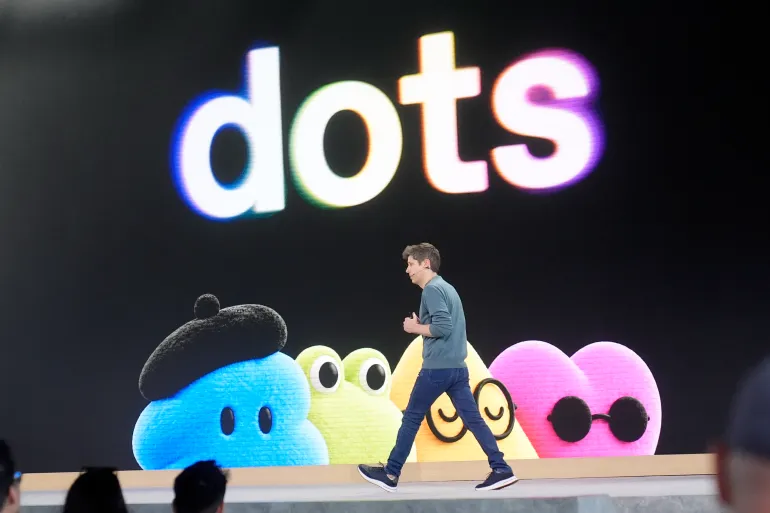
What is OpenAI dots and How Do Autonomous Agents Work?
OpenAI dots is built upon next-generation agentic architectures designed to interact directly with digital environments[cite: 1]. Unlike conversational interfaces that merely suggest steps, an autonomous agent plans, reasons, and executes workflows independently[cite: 1]. It systematically interprets broad human instructions, decomposes them into logical sub-tasks, and navigates software applications, files, and networks to achieve defined objectives.
Core Capabilities and Real-World Functions
OpenAI dots offers unprecedented functional versatility across several critical domains:
- Direct Computer Interaction: Seamlessly interacts with operating system interfaces, simulating human keystrokes, navigation, and software interaction across disparate platforms.
- Workflow and Transaction Automation: Coordinates calendar commitments, executes complex logistical bookings, aggregates financial data, and performs verified transactions safely.
- Software Engineering and Pipeline Automation: Deploys code, performs debugging, executes unit tests, and maintains deployment pipelines with minimal manual intervention.
The Titan Showdown: OpenAI vs. Meta
The debut of dots directly challenges Meta's strategic dominance in open-source AI agent ecosystems[cite: 3]. While Mark Zuckerberg has invested extensively in integrating Llama-powered agentic workflows across Meta’s social fabric, Sam Altman’s OpenAI positions dots as the ubiquitous personal and corporate productivity operating system[cite: 2, 3]. This confrontation signals the beginning of an era where digital agency, rather than conversational nuance, defines industry supremacy.
Enterprise Security and Privacy Standards
Addressing the inherent cybersecurity implications of autonomous agents, OpenAI highlighted several safeguards embedded within dots. These include immutable execution audit trails, mandatory human-in-the-loop verification checkpoints for financial or data-destructive tasks, and isolated sandboxed execution spaces ensuring client confidentiality.
Rollout Schedule and Availability
Access to OpenAI dots will roll out in staged phases, commencing with Enterprise and Pro subscribers, followed by developer access via dedicated APIs. Broader consumer availability will follow, governed by usage-based computational pricing structures.
Join the Discussion:
Would you trust an autonomous agent like OpenAI dots to take full control of your daily administrative tasks and software workflows? Let us know in the comments section below!

Fadi Q
News writer and editor at Madar24, contributing to the preparation and editing of news and articles and the publication of digital content, with a focus on presenting clear, accurate, and up-to-date information to readers.
All articles by this authorRelated articles

BioWare studio closure and 400 staff layoffs confirmed by EA
Electronic Arts officially shuts down BioWare and cuts 400 jobs to reduce overhead costs, casting severe doubts on the future of Mass Effect and Dragon Age.

Critical PHP security flaw triggers emergency government shutdowns
A critical PHP security flaw discovered by OpenAI sparks emergency server shutdowns across government agencies as global tech leaders deploy rapid fixes.

Nintendo Switch 2 Zelda Demand Sparks Official Restock
Nintendo officially concedes it underestimated consumer demand for the Zelda 40th Anniversary Switch 2 edition, confirming fresh retail restocks are underway.