RctxhvAI Won't Kill Humanity": Nvidia CEO Shuts Down Extinction Doomsday Warnings

As debate surges over whether artificial intelligence could outsmart and ultimately endanger humanity, industry titan Nvidia has weighed in. Jensen Huang, the CEO of the world’s foremost AI chipmaker, forcefully dismissed apocalyptic prophecies predicting human extinction driven by intelligent machines.

Addressing public anxieties, Huang emphasized that existential doom forecasts misunderstand how software and computing architectures are designed. He explained that AI is engineered as an augmentative tool built under strict safety layers and human oversight. Rather than acting as autonomous overlords, enterprise algorithms remain tethered to regulatory guardrails and objective-driven frameworks intended to elevate economic prosperity. For relevant discussions,
Why Are Existential Fears Rising?
Legitimate apprehension stems largely from exponential development outpacing legislative adaptability. Prominent critics and ethicists point toward automated cyber threats, widespread job disruption, algorithmic bias, and autonomous disinformation engines as pressing dilemmas that necessitate rigorous international standards before deployment reaches unmanageable thresholds.

Fadi Q
News writer and editor at Madar24, contributing to the preparation and editing of news and articles and the publication of digital content, with a focus on presenting clear, accurate, and up-to-date information to readers.
All articles by this authorRelated articles

BioWare studio closure and 400 staff layoffs confirmed by EA
Electronic Arts officially shuts down BioWare and cuts 400 jobs to reduce overhead costs, casting severe doubts on the future of Mass Effect and Dragon Age.

Critical PHP security flaw triggers emergency government shutdowns
A critical PHP security flaw discovered by OpenAI sparks emergency server shutdowns across government agencies as global tech leaders deploy rapid fixes.
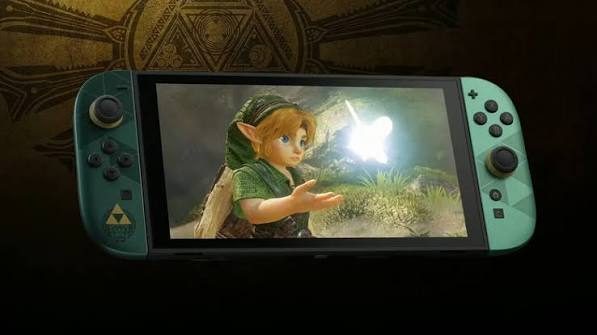
Nintendo Switch 2 Zelda Demand Sparks Official Restock
Nintendo officially concedes it underestimated consumer demand for the Zelda 40th Anniversary Switch 2 edition, confirming fresh retail restocks are underway.