Elizabeth Holmes documentary You Can See Everything Stuns Critics
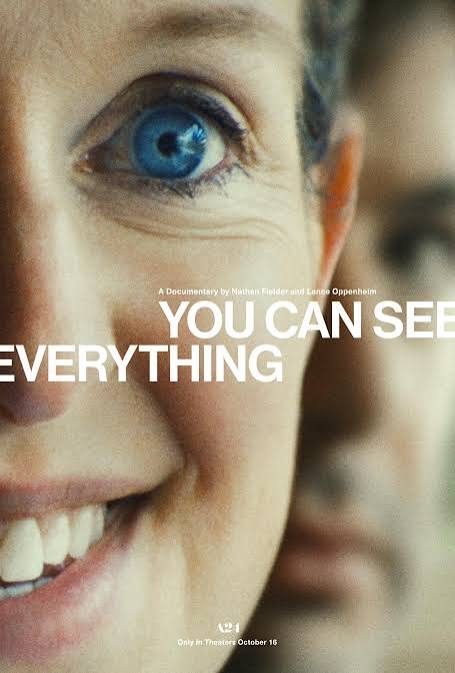
The release of the new Elizabeth Holmes documentary, titled "You Can See Everything," has sent shockwaves through cultural and cinematic landscapes, delivering an unnerving and groundbreaking post-mortem on the rise and fall of Theranos. Directed by acclaimed satirist and auteur Nathan Fielder, this daring piece of investigative cinema ventures far beyond standard courtroom chronologies to deconstruct Holmes as she serves her 11-year sentence in federal prison for criminal fraud.
Nathan Fielder: Masterful Interrogation and Psychological Deconstruction
As extensively highlighted by The New York Times, Fielder abandons traditional true-crime tropes in favor of an intensely calculated psychological duel. Renowned for the elaborate social experiments of The Rehearsal, Fielder utilizes his signature long pauses and unflinching deadpan presence to penetrate Holmes' guarded persona. Rather than getting bogged down in familiar financial diagrams, the film zooms in on the performative mannerisms—from the manufactured baritone voice to the wide-eyed stare—that enabled her to mislead Silicon Valley venture capitalists for over a decade.
A "Brain-Breaking" Critical Sensation
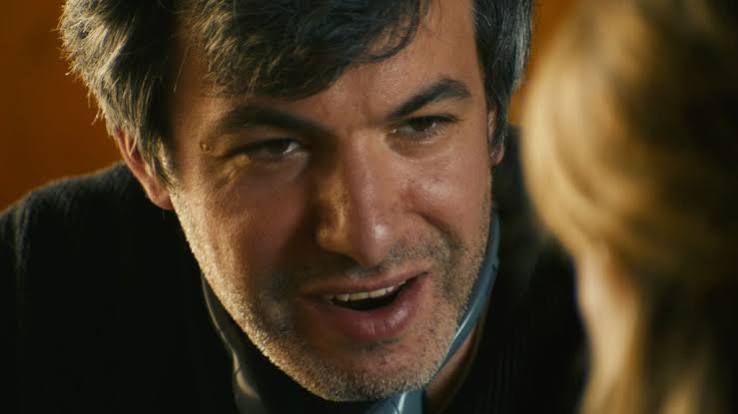
Critical reception has been nothing short of electric. The Washington Post published a widely circulated critique bluntly proclaiming that the film "has broken my brain." Reviewers lauded Fielder’s singular ability to expose the uncanny coexistence of acute intelligence and total psychological delusion. Inside the penitentiary visitation rooms, the camera captures fleeting moments of genuine vulnerability and startling denial, transforming the narrative into a dark, mesmerizing interrogation of how individuals rationalize massive deceit to themselves and the world.
Demystifying Billy Evans and Private Domestic Enigmas
Beyond the corporate deceit, USA Today underscored the documentary’s unprecedented scrutiny of William "Billy" Evans, the heir to the Evans Hotel dynasty who stood beside Holmes throughout her federal trial and fathered her two children prior to her prison surrender. Through rare domestic footage, private correspondence, and personal accounts, "You Can See Everything" strips away the protective secrecy surrounding their partnership, demonstrating how high-society privilege and Silicon Valley hubris converged during one of the most publicized downfalls in corporate history.
Ultimately, "You Can See Everything" stands as a monumental cinematic achievement—an unsparing, psychologically riveting masterpiece that cements its status as the definitive documentary of 2026.

Fadi Q
News writer and editor at Madar24, contributing to the preparation and editing of news and articles and the publication of digital content, with a focus on presenting clear, accurate, and up-to-date information to readers.
All articles by this authorRelated articles
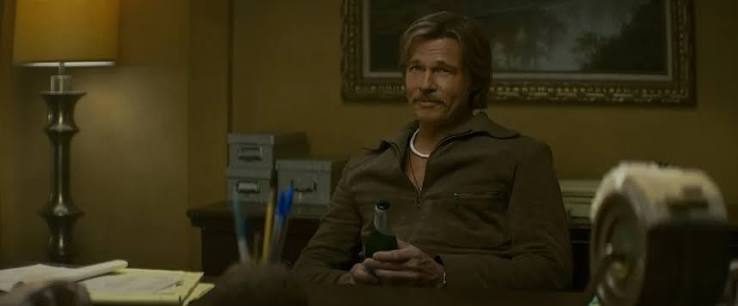
Cliff Booth Movie Details: Brad Pitt, Fincher, and Tarantino Unite
Everything about the new Cliff Booth movie: Tarantino's 17-minute AFI Fest surprise preview, and David Fincher trimming 60 script pages.

Ariana Grande new haircut: The Betty Boop Bob Trend Fall 2026
Ariana Grande debuts the Betty Boop Bob, parting ways with her signature high ponytail as Vogue and ELLE celebrate the defining fall 2026 hair trend.

Ric Flair Hospitalized Following Severe Street Fall in Tampa
WWE Hall of Famer Ric Flair was hospitalized in Tampa following a serious street fall outside a restaurant, hours after disclosing a leg blood clot.