Chèque Énergie France: How to Pay Craftsmen for Renovation

Chèque Énergie: Pay Home Renovation Craftsmen
As winter approaches and household heating demands rise across France, the Chèque Énergie remains an essential financial support mechanism for millions of modest-income families. While public perception predominantly associates this state voucher with settling routine electricity or gas utility bills, official French regulations explicitly permit beneficiaries to utilize these funds to subsidize essential domestic energy renovation projects conducted by professional contractors.

Understanding the Scope and Allocation of the Energy Voucher
The Chèque Énergie is distributed automatically once per year by the Ministry for the Ecological Transition to qualifying households based on their fiscal revenue and family composition. The monetary value generally fluctuates between €48 and €277 annually.
Beyond easing immediate billing pressures, the core objective of the program is to encourage energy transition at the household level. Therefore, legislation allows homeowners and tenants alike to direct these vouchers toward building renovations that improve insulation, decrease overall consumption, and reduce greenhouse gas emissions.
Eligible Home Renovation and Improvement Works
Beneficiaries can assign their energy vouchers to settle invoices for a broad selection of energy-efficiency operations, including:
- Thermal Building Insulation: Comprehensive insulation covering roofs, exterior walls, and crawlspaces to prevent chronic heat loss.
- Glazing Upgrades: Installing high-performance double or triple-glazed windows to optimize thermal comfort.
- Heating System Modernization: Replacing outdated fossil-fuel heating units with advanced air-to-water heat pumps (Pompes à chaleur) or high-efficiency biomass pellet stoves.
- Controlled Mechanical Ventilation: Installing eco-friendly ventilation systems (VMC) to ensure balanced air quality and lower moisture-related energy waste.
The Mandatory RGE Certification Standard
The single most critical rule governing the payment of contractors with the voucher is that the assigned professional or construction firm must be officially certified as RGE (Reconnu Garant de l'Environnement).
Tradespersons lacking the valid RGE environmental accreditation cannot legally process the voucher or receive direct reimbursement from the Agence de Services et de Paiement (ASP). Homeowners must verify their contractor's RGE credentials prior to signing quotations or commencing works. When the project concludes, the homeowner hands the voucher directly to the contractor, who deducts its exact face value from the final balance sheet.
Strategic Two-Year Extension: Converting to a "Chèque Travaux"
Standard energy checks systematically expire on March 31st of the year following their issuance. However, major residential renovation projects frequently experience administrative or seasonal delays that push completion past this deadline.
To protect beneficiaries against losing their financial aid, the French government allows holders to convert their standard annual voucher into a specialized "Chèque Travaux" through the official portal (chequeenergie.gouv.fr) before the initial expiration date. This administrative conversion extends voucher validity for an additional two consecutive years. Consequently, households gain adequate flexibility to plan complex retrofitting operations while seamlessly combining this voucher with major national subsidies, most notably MaPrimeRénov'.

Fadi Q
News writer and editor at Madar24, contributing to the preparation and editing of news and articles and the publication of digital content, with a focus on presenting clear, accurate, and up-to-date information to readers.
All articles by this authorRelated articles

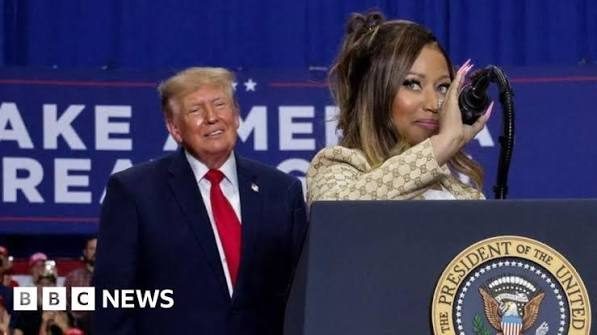
Nicki Minaj and Donald Trump Rally Voters in Crucial Michigan Midterm Campaign
Rap superstar Nicki Minaj joins Donald Trump at a major Michigan campaign rally to endorse Mike Rogers and Republican candidates for the US midterms.

UK Driving Licence: Urgent Warning for Motorists Over 70
The DVLA has issued an urgent alert for UK driving licence holders aged 70 and over, highlighting mandatory renewals, health rules, and heavy fines